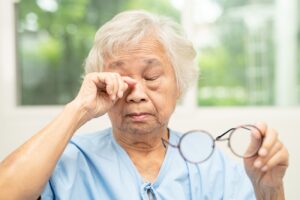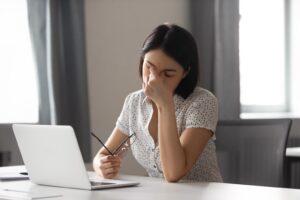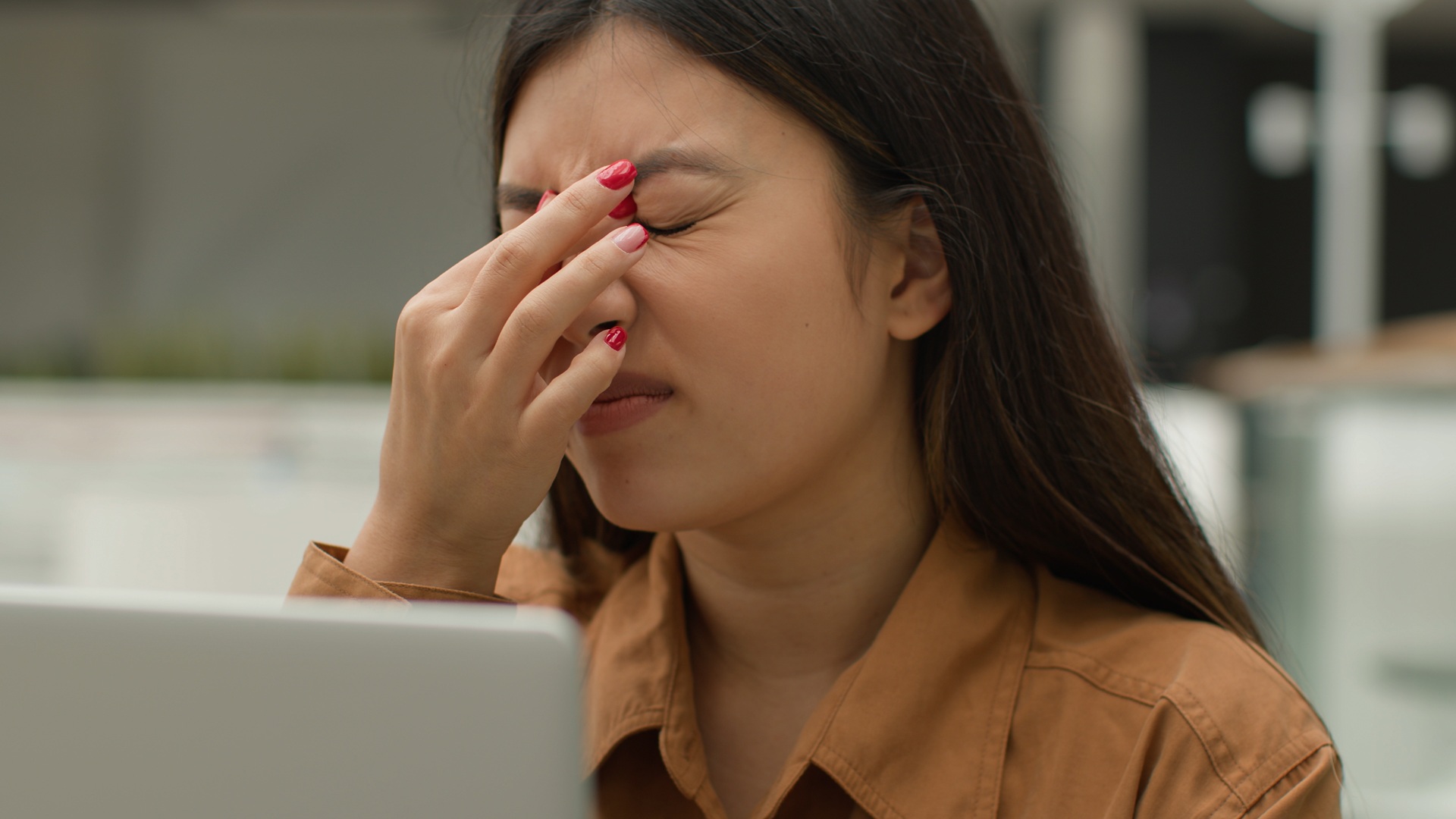
Heavy eyelids can be easy to dismiss, especially when your vision seems perfectly clear. Perhaps your eyes simply feel tired after a long day at work, or you assume you need more sleep.
Sometimes, that is all it is. But persistent or unusual eyelid heaviness can have several possible explanations, and normal vision does not necessarily tell you what is happening around the eyelids.
Key takeaways
- Heavy eyelids can occur from tiredness, eye strain, dry eyes or changes affecting the eyelid muscles.
- Clear vision does not rule out an eyelid or eye-related problem.
- The pattern of the heaviness, when it occurs, whether it affects one or both eyes, and whether it changes during the day, can provide useful clues.
- An eye assessment may be appropriate if the symptom persists, is worsening or is accompanied by other changes.
- Sudden eyelid drooping or other sudden neurological or visual symptoms require prompt medical attention.
Is “heavy” the same as having a droopy eyelid?
Some people describe their eyelids as heavy when their eyes feel tired, dry or strained. Others may actually have ptosis, where the upper eyelid sits lower than usual. In some cases, the eyelid may gradually become lower with age; in others, the muscles or nerves responsible for lifting the eyelid may be involved.
This distinction matters because the appropriate assessment depends on what is actually causing the sensation or change. A useful question is- Does the eyelid merely feel heavy, or does it look lower than it used to?
Looking at older photographs can sometimes help you notice whether there has been a gradual change.
What if my eyesight is completely normal?
You may still benefit from an assessment if the heaviness is persistent or unusual.
An ordinary vision check mainly tells you how clearly you can see. It does not, by itself, assess every aspect of eyelid position, eye movement, the nerves controlling the eyelids or the condition of the surrounding tissues.
Your doctor may therefore ask about,
- Whether one or both eyelids are affected
- When the heaviness started
- Whether it becomes more noticeable later in the day
- Whether it improves after rest
- Any double vision, headaches or changes in eye movement
- Previous eye surgery, injury or other medical conditions
These details can help determine whether further examination is warranted.
When is an eye check more important?
Consider arranging an assessment if the heaviness does not settle, keeps returning or is becoming more noticeable.
It is particularly worth getting checked if you notice a visible change in eyelid position, difficulty keeping an eye open, double vision, unequal pupils or other new eye symptoms.
A sudden drooping eyelid, especially when accompanied by severe headache, double vision, weakness, difficulty speaking or other sudden neurological symptoms, should be treated as an urgent medical concern rather than simply an eyelid problem.
Can tired eyes cause heavy eyelids?
Yes. Long periods of screen use, insufficient rest and dry eyes can make the eyes feel tired or strained. In these situations, improving rest, taking regular screen breaks and addressing dryness may help.
However, if the sensation continues despite these measures, repeatedly returning to the same assumption that your eyes are merely tired may delay finding the actual cause.
This is where an eyelid health screening or broader eye assessment can be useful, not because every heavy eyelid represents a serious condition, but because the symptom needs to be interpreted in context.
FAQs
Do heavy eyelids always mean ptosis?
No. Eyelid heaviness can have several causes, and a sensation of heaviness does not necessarily mean the eyelid is physically drooping.
Should I see an eye doctor if only one eyelid feels heavy?
If the symptom is persistent, new or associated with a visible difference between the two eyelids, an eye assessment can help establish what is causing it.
Can heavy eyelids be caused by dry eyes?
Dryness can contribute to tired, uncomfortable or strained-feeling eyes. Persistent symptoms should nevertheless be assessed rather than automatically attributed to dryness.
Is sudden eyelid drooping an emergency?
Sudden eyelid drooping can occasionally be associated with problems affecting the nerves or muscles around the eye. If it occurs with double vision, severe headache, weakness, speech difficulty or other sudden symptoms, seek urgent medical attention.
What happens during an assessment?
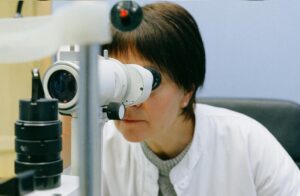
The doctor will usually ask about the timing and pattern of your symptoms and examine the eyes and eyelids. Depending on the findings, further assessment may be recommended.
Schedule a consultation and get your eyelids checked?
Clear vision is reassuring, but it does not answer every question about eyelid health. If your eyelids feel persistently heavy, look different from before, or the symptom is accompanied by other changes, an assessment can help clarify whether anything needs attention.
For patients in Singapore, London Eye & Retina Specialist Centre provides an eye-care setting where these concerns can be discussed with Dr. James Ng Kin Wah. A consultation can help determine whether your symptoms simply need observation or whether further eye assessment is appropriate.