
Your Vision Matters, Especially When You Have Diabetes
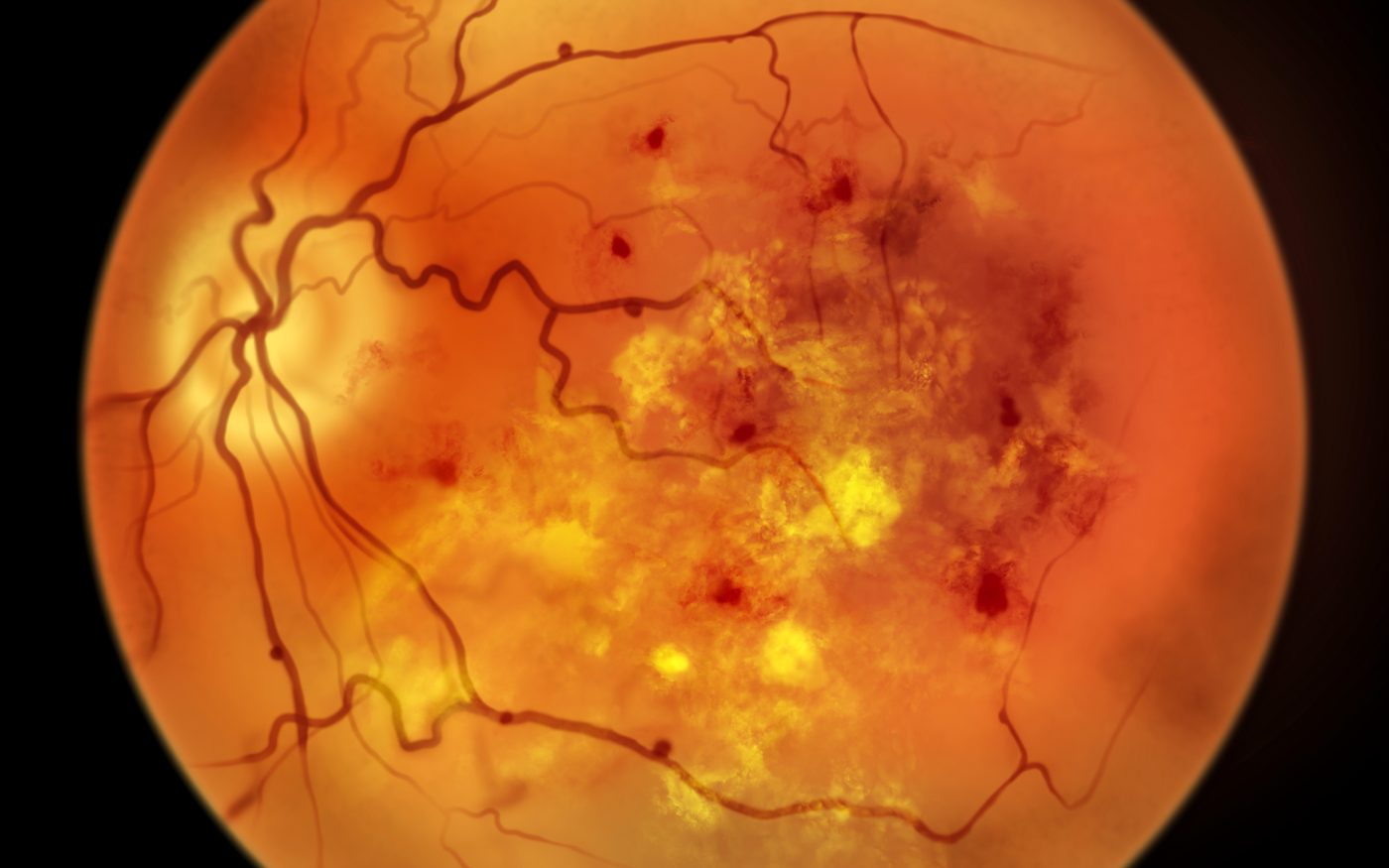
Living with diabetes means keeping an eye on more than just your blood sugar. Over time, high blood sugar levels can damage the tiny blood vessels in the retina, leading to a group of eye problems collectively known as diabetic eye disease. Diabetic macular oedema (also spelled macular edema) is the swelling of the central retina that most often causes vision loss in diabetes.
At London Eye & Retina, we believe that protecting your eyesight is an essential part of managing your diabetes. Through early detection, regular monitoring, and individualised care, we help patients stay ahead of vision complications.
What Is Diabetic Eye Disease?
Diabetic eye disease refers to a range of conditions that can affect individuals with Type 1 or Type 2 diabetes. These include:
- Diabetic Retinopathy – damage to the retinal blood vessels, which can leak fluid or bleed
- Diabetic Macular Oedema (DMO) – swelling in the macula, the part of the retina responsible for sharp central vision
- Cataracts – clouding of the eye’s lens, which can occur earlier in people with diabetes
- Glaucoma – increased pressure in the eye, potentially leading to optic nerve damage
Of these, diabetic retinopathy is the most common and a leading cause of vision loss in working-age adults worldwide.
Who Is at Risk?
Anyone with diabetes is at risk of developing diabetic eye disease. However, the risk increases with:
- Longer duration of diabetes
- Poor blood sugar control
- High blood pressure or cholesterol
- Smoking
- Pregnancy (in women with pre-existing diabetes)
Good control of diabetes and regular eye exams can reduce the likelihood of complications, especially if caught early.
What Are the Symptoms?
In the early stages, diabetic retinopathy may not cause any noticeable symptoms. That’s why regular screening is so important.
As the condition progresses, you may experience:
- Blurred or fluctuating vision
- Dark spots or floaters
- Difficulty seeing at night
- Vision that seems washed out or distorted
- Sudden loss of vision (in more advanced stages)
Symptoms often affect both eyes, and they may worsen without warning.
How Is It Diagnosed?
At London Eye & Retina, we use detailed imaging and diagnostic tools to detect even early signs of diabetic eye disease:
- Dilated eye examination – allows a clear view of the retina and blood vessels
- Optical Coherence Tomography (OCT) – scans the retina for swelling or abnormal changes
- Fluorescein Angiography – a dye test to detect leaking or blocked blood vessels
These tests help determine the stage and severity of diabetic retinopathy or macular oedema and form the basis of your treatment plan.
How Is Diabetic Eye Disease Managed?
Treatment depends on the stage and type of eye involvement. In many cases, early changes can be monitored with regular eye exams and improved blood sugar control. When intervention is needed, options may include:
- Anti-VEGF injections to reduce macular swelling and slow new vessel growth
- Laser therapy to seal leaking blood vessels or shrink abnormal ones
- Vitrectomy surgery for bleeding or severe scar tissue in advanced cases
Dr James Ng will work with you to recommend an evidence-based approach that fits your condition and lifestyle. Our goal is to preserve vision while keeping your care plan as seamless and comfortable as possible.
Diabetic Eye Screening: What It Involves & Cost
Diabetic eye screening checks the retina for early diabetic damage, often before you notice any change in vision. At London Eye & Retina, diabetic retinal photography screening involves photographs of the back of each eye, which are reviewed by a retina specialist.
| Screening | Fee (incl. 9% GST) |
|---|---|
| Diabetic retinal photography screening | $52.32 |
| Routine eye examination (first visit) | $141.70 |
If dilating drops are used, please do not drive afterwards. See all fees & packages and our eye screening page.
If the photographs show diabetic changes, you will be advised on a fuller examination with Dr James Ng, usually including OCT imaging of the macula, and on any treatment needed. Treatment of established disease is explained on our diabetic retinopathy & macular oedema page.
How Often Should You Have a Diabetic Eye Exam?
As a general guide, most adults with diabetes should have their retina checked at least once a year, even if their vision seems fine:
- Type 2 diabetes: at or soon after diagnosis, then usually yearly, because changes may already be present when diabetes is found
- Type 1 diabetes: usually within a few years of diagnosis, then yearly
- If retinopathy is found: more often, as advised by your eye doctor
- Pregnancy: women with diabetes before pregnancy need closer checks during pregnancy, as retinopathy can progress
Your eye doctor may recommend a different interval depending on what the screening shows and how well your blood sugar and blood pressure are controlled.
Can Diabetes Cause Blurry Vision?
Yes. Blurred vision in diabetes has several possible causes:
- Changing blood sugar levels can temporarily alter the focus of the lens inside the eye, so vision fluctuates; this often settles once sugar levels are stable
- Diabetic macular oedema, swelling at the centre of the retina, causes blurred or distorted central vision that does not settle on its own
- Cataract, which tends to develop earlier in people with diabetes
Because these causes look similar to the person experiencing them, blurred vision that persists for more than a few days should be checked. A sudden shower of floaters, a dark curtain or sudden loss of vision can mean bleeding inside the eye or a retinal detachment: call +65 6908 7533 straight away. 24-hour emergency eye care is available.
Take the Next Step for Your Eyes
If you have diabetes, keeping your eyes healthy is not optional, it’s essential. Whether you’re newly diagnosed or have been managing diabetes for years, we’re here to support your eye health journey.
Book an eye screening at London Eye & Retina today. Early action can make all the difference.
Diabetic Eye Screening: What’s Included
Diabetic Retinal Photography Screening Package
$52.32 incl. 9% GST
Tests included
- Visual acuity
- Auto-refraction
- Auto-keratometry
- Eye pressure check
- Central corneal thickness
- Amsler grid testing
- Assessment of stereovision
- 2-view fundus photograph
- Doctor’s report without consultation
A diabetic retinal photography report is provided.
Fees are a guide and may vary with clinical needs. See all fees & packages.
More questions patients ask
What is the difference between diabetic eye screening and a full eye examination? Diabetic retinal photography screening ($52.32 including GST) takes photographs of the back of each eye, which are reviewed by a retina specialist to look for early diabetic damage. If the photographs show diabetic changes, a fuller examination with Dr James Ng is advised, usually including OCT imaging of the macula, and any treatment needed is discussed. A routine eye examination (first visit) is $141.70. Fees may vary; confirm with the clinic.
How can I reduce my risk of diabetic eye disease? The risk of diabetic eye disease is reduced by good control of blood sugar, blood pressure and cholesterol, not smoking, and regular eye examinations so that changes are caught early. The risk rises the longer you have had diabetes. Most adults with diabetes should have their retina checked at least once a year, even when vision seems fine, because early diabetic retinopathy often causes no symptoms.
Can diabetes make you go blind? Diabetes can lead to serious vision loss if diabetic eye disease is not detected and treated. Diabetic retinopathy is a leading cause of vision loss in working-age adults worldwide, and diabetic macular oedema is the swelling that most often causes vision loss in diabetes. Advanced disease can also cause bleeding inside the eye or retinal detachment. With early detection and the right care, vision loss can often be prevented or slowed.
Does diabetic eye disease affect both eyes? Diabetic eye disease symptoms often affect both eyes, and they may worsen without warning, although vision loss can occur in one or both eyes. Because early diabetic retinopathy often causes no symptoms at all, diabetic eye screening photographs the back of each eye, even when your vision seems normal. Any blurred vision lasting more than a few days should be checked by an eye specialist.
Do I need a referral for diabetic eye screening? A GP referral is usually not needed for diabetic eye screening at London Eye & Retina Specialist Centre in Novena, so you can book directly. If your GP or another specialist has referred you, bring the referral letter, together with a list of your medicines and any previous eye reports or scans. Results that show diabetic changes are followed up with a fuller retinal examination.