
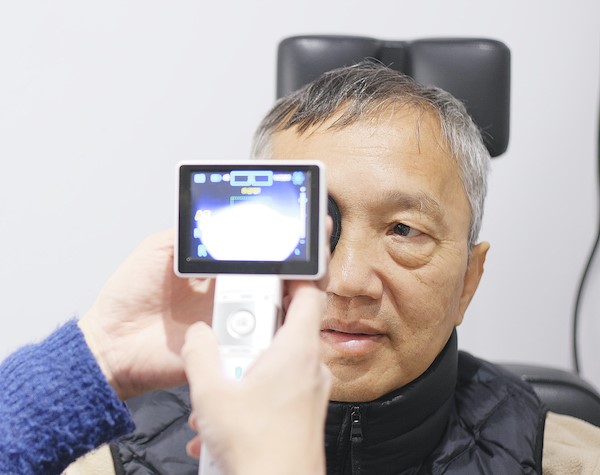
Protecting Your Vision When You Have Diabetes
Diabetes can affect the eyes as well as the rest of the body, and protecting your vision is an important part of managing diabetes. Diabetic retinopathy (DR) and diabetic macular oedema (DMO) are two of the most common vision-related complications of diabetes, and they can lead to serious vision loss if left unchecked. The good news? With early detection and the right care, vision loss can often be prevented or slowed.
At London Eye & Retina, we support individuals with diabetes in protecting their sight through regular screening and tailored treatment for DR and DMO. If you have diabetes and haven’t had a retinal check recently, now is the time to prioritise your eye health.
What Is Diabetic Retinopathy?
Diabetic retinopathy is a condition where prolonged high blood sugar damages the tiny blood vessels in the retina, the light-sensitive tissue at the back of the eye. This damage can cause:
- Leaking blood vessels
- Formation of abnormal vessels
- Scar tissue and retinal swelling
- Retinal detachment in advanced stages
DR progresses through several stages, from mild non-proliferative changes to proliferative diabetic retinopathy (PDR), where new, fragile vessels form and pose a high risk of bleeding and vision loss.
What Is Diabetic Macular Oedema (DMO)?
DMO is a specific complication of DR where fluid leaks into the macula, the part of the retina responsible for central, detailed vision. Swelling in this area can cause:
- Blurred or distorted vision
- Difficulty reading or recognising faces
- Vision loss that can be gradual or sudden
DMO can occur at any stage of diabetic retinopathy and is one of the leading causes of vision loss in diabetic patients.
Stages of Diabetic Retinopathy
Diabetic retinopathy is graded by how much damage is seen on examination and imaging. The stage guides how often you are reviewed and whether treatment is needed:
| Stage | What is happening | Usual approach |
|---|---|---|
| Mild to moderate non-proliferative (NPDR) | Small bulges, leaks and bleeds in retinal blood vessels | Monitoring, and good control of blood sugar, blood pressure and cholesterol |
| Severe non-proliferative | Widespread blood vessel damage; areas of retina short of oxygen | Closer monitoring; treatment may be considered |
| Proliferative (PDR) | Fragile new blood vessels grow, which can bleed or form scar tissue | Laser treatment and/or anti-VEGF injections; vitrectomy for bleeding or traction |
| Diabetic macular oedema (DMO) | Fluid leaks into the macula and blurs central vision; can occur at any stage | Anti-VEGF injections are commonly used; steroid treatment or laser in selected cases |
Diabetic macular oedema is also spelled “macular edema” (DME) in American English.
What Are the Risk Factors?
The risk of DR and DMO increases with:
- Longer duration of diabetes
- Poor blood sugar control
- High blood pressure or cholesterol
- Smoking
- Pregnancy (in diabetic patients)
Symptoms to Watch For
Often, early DR has no symptoms, which is why routine screening is essential. As it progresses, you may notice:
- Blurred or fluctuating vision
- Dark spots or floaters
- Colours appear dull or washed out.
- Vision loss in one or both eyes
How Are DR and DMO Diagnosed?
Diagnosis is made through a comprehensive eye exam, including:
- Dilated retinal exam
- Optical Coherence Tomography (OCT): To detect retinal swelling
- Fluorescein angiography: To map out leaking or abnormal blood vessels
These tests help determine the severity of DR and the presence of DMO, guiding treatment decisions.
Treatment Options
Treatment depends on the stage of retinopathy and whether the macula is swollen. Dr Ng will explain what each option involves and why it is recommended for your eye:
- Anti-VEGF injections: medicine injected into the eye to reduce macular swelling and help control abnormal vessel growth; usually given as a course, with the interval adjusted according to OCT scans. See intravitreal injections.
- Steroid injections or implants: useful in selected cases of persistent macular swelling; they can raise eye pressure and speed up cataract, so they need monitoring.
- Laser therapy: to seal leaking vessels or to treat areas of retina short of oxygen in proliferative disease, reducing the risk of bleeding. Laser aims to protect remaining vision rather than restore lost vision.
- Vitrectomy surgery: for bleeding inside the eye that does not clear, or scar tissue pulling on the retina (tractional detachment). See vitrectomy and retina & macula treatments.
Treatment should go hand in hand with good control of blood sugar, blood pressure and cholesterol, managed with your GP or endocrinologist.
Can Diabetic Retinopathy Be Reversed?
Damage to the retina that has already happened often cannot be fully reversed. However, treatment can reduce macular swelling, lower the risk of bleeding and slow progression, and some people with macular oedema regain part of their vision with treatment. Starting treatment before vision is badly affected generally gives the greatest chance of keeping useful sight, which is why regular screening matters.
When Is Diabetic Eye Disease an Emergency?
Advanced diabetic retinopathy can cause sudden problems that need same-day assessment:
- A sudden shower of floaters, or vision turning red or dark (bleeding inside the eye)
- A shadow or curtain spreading across your vision (possible retinal detachment)
- A painful red eye with blurred vision (possible raised eye pressure)
If you have any of these, call +65 6908 7533 straight away. 24-hour emergency eye care is available.
Cost, MediSave & Your Retina Surgeon
Dr James Ng is a Consultant Ophthalmic Surgeon (FRCOphth, UK) whose sub-specialties include vitreoretinal surgery, medical retina and uveitis. He completed fellowships in Bristol (medical retina, uveitis and vitreoretinal surgery) and Oxford (cataract and vitreoretinal surgery), and a Senior Fellowship in vitreoretinal surgery at Moorfields Eye Hospital, London. With more than 20 years of eye surgery and at least 3,000 vitrectomies, he assesses and treats patients personally, from the first examination to surgery and follow-up.
Medically necessary retinal surgery and injections are generally MediSave-claimable (up to CPF limits) and are often covered by Integrated Shield Plans. Treatment fees are quoted after your assessment, and our team can help you check your coverage before you proceed.
If you have diabetes but no known retinopathy, start with diabetic eye screening ($52.32 including GST).
Take Control of Your Eye Health
Managing Diabetes not only involves controlling sugar levels, it also constantly requires protection, especially protecting your vision. Regular eye screening, good blood sugar control, and timely treatment can make all the difference.
Book a consultation with Dr James Ng at London Eye & Retina to have your retina assessed and your treatment options explained.
Diabetic Eye Screening: What’s Included
Diabetic Retinal Photography Screening Package
$52.32 incl. 9% GST
Tests included
- Visual acuity
- Auto-refraction
- Auto-keratometry
- Eye pressure check
- Central corneal thickness
- Amsler grid testing
- Assessment of stereovision
- 2-view fundus photograph
- Doctor’s report without consultation
A diabetic retinal photography report is provided.
Fees are a guide and may vary with clinical needs. See all fees & packages.
More questions patients ask
How much does diabetic retinopathy treatment cost in Singapore? The cost of diabetic retinopathy and macular oedema treatment depends on what your eye needs, such as the anti-VEGF medicine used and the number of injections, laser treatment or vitrectomy surgery, so fees are quoted after your assessment. Surgical fees cover the surgeon’s fee, facility fee, the first week of post-operative reviews and the first set of medications. Fees may vary; confirm with the clinic.
How many injections are needed for diabetic macular oedema? The number of anti-VEGF injections needed for diabetic macular oedema varies with how the macula responds. Many people start with a series of injections about a month apart, after which the interval is adjusted, and often extended, according to OCT scans of the macula. Treatment is usually given as a course rather than a single injection, so keeping to your follow-up schedule is important for protecting vision.
Will diabetic macular oedema go away on its own? Diabetic macular oedema usually does not settle on its own. The swelling at the centre of the retina causes blurred or distorted central vision, unlike the temporary blurring from changing blood sugar levels, which often settles once sugar levels are stable. Anti-VEGF injections are commonly used to reduce the swelling, with steroid treatment or laser in selected cases, and some people regain part of their vision with treatment.
Is blood sugar control enough to treat diabetic retinopathy? Blood sugar control alone is not always enough to treat diabetic retinopathy. Good control of blood sugar, blood pressure and cholesterol is the usual approach for mild to moderate non-proliferative retinopathy and goes hand in hand with every treatment plan, managed with your GP or endocrinologist. Proliferative retinopathy and macular oedema usually also need anti-VEGF injections, laser or vitrectomy surgery, as advised by your eye specialist.