
When Your Eye Is Injured, Prompt Evaluation Can Make All the Difference
Whether it’s a small metal speck during DIY work or a sports injury involving blunt force, eye trauma is something that should never be taken lightly. Even if the eye looks normal on the surface, deeper injuries may be present, and delaying treatment could lead to long-term complications, including vision loss.
At London Eye & Retina, we provide careful, evidence-based evaluation and management of eye injuries. If you’ve had an accident involving your eyes, it’s important to get assessed promptly, even if symptoms seem mild.
What Is an Ocular Injury?
Ocular trauma refers to any damage to the eye or surrounding structures (eyelids, orbit, conjunctiva, or cornea) due to physical force, foreign objects, or chemicals. Injuries can range from minor surface abrasions to sight-threatening complications.
Common causes include:
- Flying debris (e.g. wood, metal, dust)
- Blunt trauma (e.g. sports injuries, falls)
- Penetrating injuries (e.g. glass shards, sharp objects)
- Chemical exposure (e.g. industrial cleaners, acids)
- Thermal or radiation exposure
- Explosions or fire-related injuries
No matter how the injury occurs, the eye’s delicate structures must be carefully assessed to prevent delayed complications.
What Are the Common Symptoms?
Symptoms can vary depending on the severity and type of injury. Some of the warning signs include:
- Eye pain or persistent discomfort
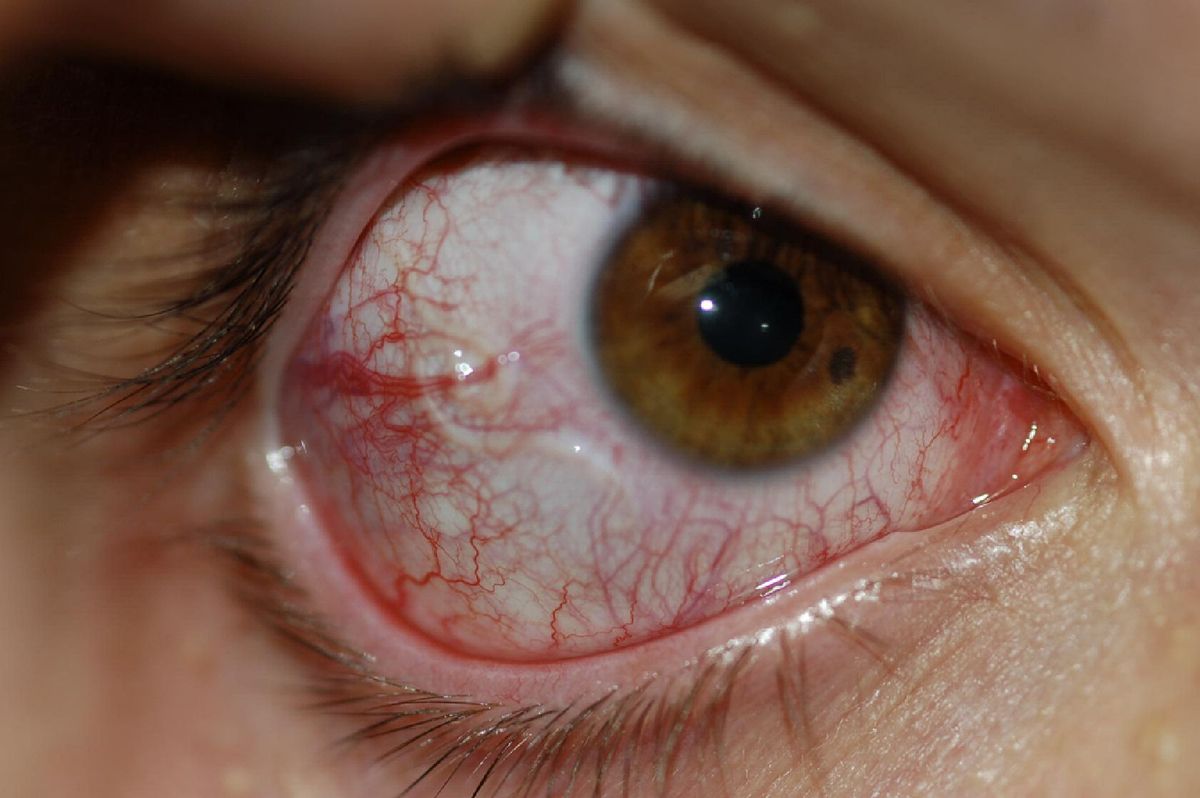
- Redness or irritation
- Tearing or light sensitivity
- Blurred or decreased vision
- Feeling like something is stuck in the eye (foreign body sensation)
- Swelling of the eyelid or around the eye
- Blood inside the eye (hyphaema)
- Flashes, floaters, or shadowing of vision (suggesting possible retinal involvement)
If you experience any of these symptoms following trauma, it is advisable to seek an urgent eye examination.
Types of Eye Injuries We See
Some of the more common eye injuries we manage at London Eye & Retina include:
- Corneal abrasions – surface scratches that can cause discomfort and light sensitivity
- Embedded foreign bodies – small particles stuck on or beneath the cornea or conjunctiva
- Blunt trauma injuries – such as hyphaema, lens dislocation, or retinal damage
- Penetrating injuries – may require surgical repair and urgent intervention
- Orbital fractures – affecting the bones around the eye
- Chemical injuries – requiring thorough irrigation and close monitoring
Each case is unique and should be evaluated with detailed imaging and retinal examination if needed.
What to Expect During Your Evaluation
When you visit our clinic for an eye injury, we will carry out a comprehensive assessment that may include:
- Visual acuity testing
- Slit-lamp examination to inspect the cornea, conjunctiva, and anterior chamber
- Eyelid eversion to check for hidden foreign bodies
- Fluorescein staining to highlight corneal abrasions
- Intraocular pressure check if indicated
- Dilated retinal exam to detect internal injuries such as retinal tears or bleeding
- Imaging (e.g. B-scan ultrasound or CT) for deeper or orbital trauma
This evaluation helps determine the severity of the injury and whether urgent intervention is needed.
How Are Eye Injuries Treated?
Treatment depends on the type of injury. Common interventions may include:
- Removal of foreign objects under local anaesthetic
- Antibiotic eye drops or ointment to prevent infection
- Lubricating drops for minor abrasions
- Shielding and activity restriction for blunt trauma
- Surgical repair in the event of open-globe injuries or internal damage
- Close follow-up to monitor for delayed complications such as glaucoma or retinal detachment
At London Eye & Retina, we focus on careful, evidence-based management and ensure follow-up care to support your recovery.
Corneal Abrasion (Scratched Cornea): Symptoms and Healing
A corneal abrasion is a scratch on the clear front surface of the eye, often from a fingernail, make-up brush, contact lens, branch or grit. Because the cornea is very sensitive, even a small scratch can cause:
- Sharp pain and a gritty, something-in-the-eye feeling
- Watering and light sensitivity
- Blurred vision and difficulty keeping the eye open
Small abrasions often heal within one to three days. Treatment usually includes antibiotic drops or ointment to prevent infection and lubricants for comfort. Do not wear contact lenses until the eye has healed and been checked, and do not use numbing drops at home, as repeated use slows healing.
Occasionally the healed surface breaks down again, typically with sharp pain on waking (recurrent corneal erosion). If you wear contact lenses and develop a painful red eye, seek same-day care, as infection (keratitis) needs prompt treatment.
Something in Your Eye: What to Do
- Blink several times and rinse with clean water or saline.
- Do not rub the eye, and do not use tweezers, cotton buds or fingers on the eye surface.
- If the feeling persists after rinsing, the particle may be stuck on the cornea or under the eyelid and needs removal under magnification. See foreign body removal.
Same-day assessment is important after hammering, grinding, drilling or anything that may have struck the eye at high speed. A tiny metal fragment can enter the eye with little pain, and metal on the cornea can leave a rust ring if not removed. Call +65 6908 7533 (24-hour emergency eye care available).
Antibiotic Eye Drops for Corneal Abrasion
Antibiotic drops or ointment are commonly prescribed for a corneal abrasion to reduce the risk of infection while the surface heals. Use them as directed for the full course. Steroid drops are not routinely used for abrasions and should only be used if prescribed after examination. If pain increases, vision worsens or a white spot appears on the cornea, return promptly, as these can be signs of an infection or corneal ulcer.
Seek Help Promptly for Any Eye Trauma
Even seemingly minor eye injuries can result in serious complications if left untreated. If you’ve had an accident involving your eye or are experiencing pain, vision changes, or a foreign body sensation, don’t wait.
Book an urgent assessment at London Eye & Retina to ensure your eye is properly examined and cared for.
More questions patients ask
Does it hurt to have something removed from my eye? Foreign body removal from the eye is done after local anaesthetic eye drops numb the surface, to minimise discomfort. The object is gently lifted or flushed out with special instruments under magnification and bright light, and the eyelid may be turned over to check for trapped debris. Antibiotic drops or ointment are used afterwards, and most minor surface injuries heal within a few days.
What is a rust ring in the eye? A rust ring is a stain left on the cornea by a metal particle, for example from grinding, drilling or cutting, and it can form within hours. The stained tissue can keep the eye inflamed and slow healing, so it is usually removed with the particle at the slit-lamp microscope using a fine instrument or a small, low-speed burr. Deep rust may be removed at a follow-up visit.
Can eye drops remove something stuck in my eye? No eye drop can dissolve or loosen an object that is stuck in the cornea. Rinsing with sterile saline, preservative-free artificial tears or clean running water can flush out a loose speck of dust or grit. Numbing drops are used in the clinic to allow removal, but are not for home use. If the scratchy feeling continues after rinsing, have the eye examined.
Do I need a scan after an eye injury? Imaging is not needed for every eye injury, but it may be used for deeper or orbital trauma. B-scan ultrasound or a CT scan can assess internal structures and the bones around the eye. After a high-speed injury, such as hammering metal on metal, grinding or drilling, imaging may be needed to rule out a fragment inside the eye, which can enter with surprisingly little pain.
Can I see an eye doctor for a scratched eye after clinic hours? Yes, 24-hour emergency eye care is available at London Eye & Retina Specialist Centre on +65 6908 7533. Regular clinic hours at Novena Medical Center are Monday to Friday 8:30am to 5pm, Monday and Thursday evenings 6:30pm to 9pm, and Saturday 8:30am to 12:30pm. If the injury is severe or you cannot reach the clinic, go to the nearest hospital emergency department or call 995.