
Supporting Eye Comfort, Function, and Appearance
Your eyelids do more than blink; they play a key role in protecting your eyes, spreading tears, and maintaining comfort throughout the day. When something goes wrong with the eyelids, whether it’s swelling, drooping, twitching, or a lump, it can affect not just your appearance but also your eye health and vision.
At London Eye & Retina, we offer comprehensive eyelid care, encompassing diagnosis and treatment of both functional and cosmetic concerns. Whether it’s a persistent stye, an age-related eyelid change, or unexplained discomfort, our team is here to help you restore and maintain healthy, comfortable eyes.
Common Eyelid Problems
| Condition | What you may notice | Usual first steps |
|---|---|---|
| Chalazion | A firm, usually painless lump in the eyelid | Warm compresses and lid hygiene; most settle over weeks |
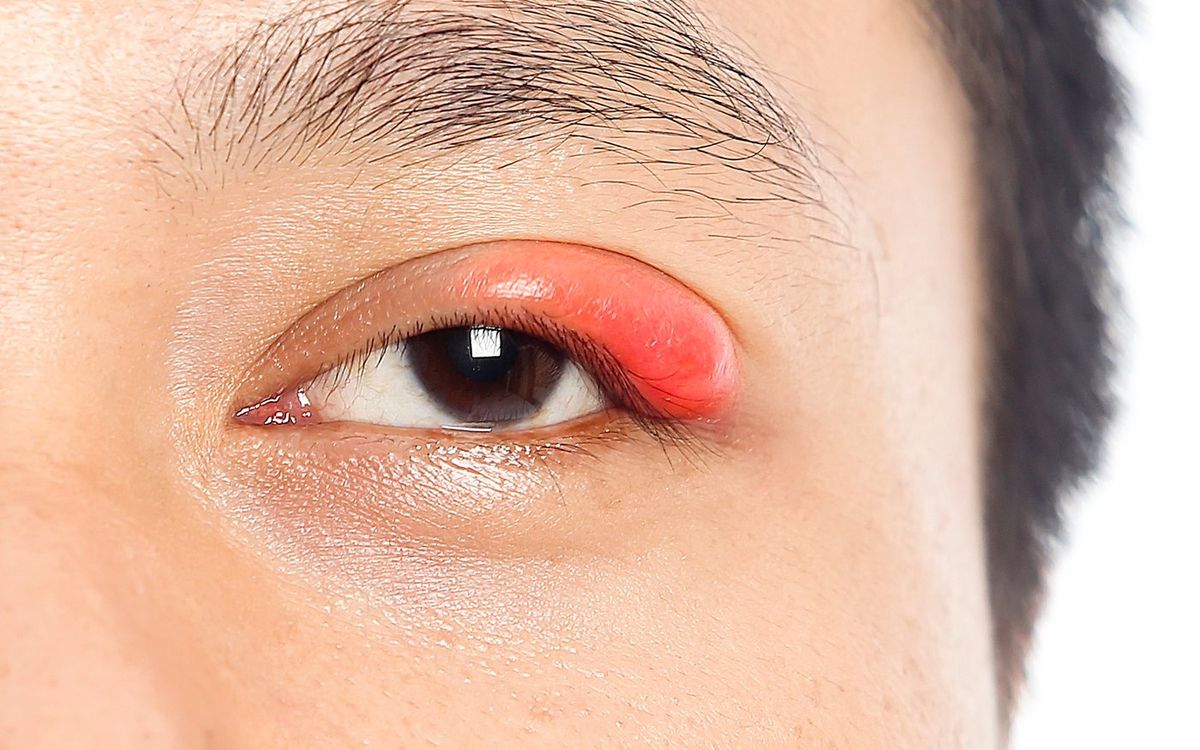
| Stye | A red, tender swelling at the lid edge, sometimes with a yellow head | Warm compresses; do not squeeze |
| Blepharitis | Red, crusty, itchy lid margins, often with dry eye | Daily lid cleaning and warm compresses |
| Eyelid twitching | Fluttering of the upper or lower lid | Rest, less caffeine, screen breaks |
| Ptosis (droopy eyelid) | An upper lid that sits low or covers the pupil | Assessment of the cause; surgery in some cases |
| Swollen eyelid | Puffiness from allergy, infection or other causes | Depends on the cause; urgent if painful with fever |
Chalazion vs Stye: What’s the Difference?
A stye is an infection of an eyelash follicle or small gland at the edge of the lid. It is usually red, painful and tender, and often comes to a head and drains within a week.
A chalazion is a blocked oil (meibomian) gland inside the eyelid. It is usually a firm, painless lump further from the lid edge, and can follow a stye. Most chalazia settle over a few weeks.
For both, warm compresses for 5–10 minutes several times a day, followed by gentle lid massage and cleaning, help the gland drain. Do not squeeze or pop the lump. A chalazion that persists for more than a few weeks or keeps returning may need treatment, such as a minor procedure under local anaesthetic to drain it or a steroid injection. A lump that keeps recurring in the same place, bleeds or causes loss of eyelashes should be checked, as it occasionally needs a biopsy to rule out other growths.
Why Is My Eye Twitching?
An eyelid twitch (myokymia) is very common and almost always harmless. Common triggers include stress, tiredness, caffeine, long screen sessions and dry or irritated eyes. It usually settles within days to a few weeks once the trigger is reduced.
See a doctor if the twitch lasts more than a few weeks, makes the eyelid close completely, spreads to other parts of the face, or comes with a droopy eyelid, redness or discharge. These can point to conditions such as blepharospasm or hemifacial spasm, which have specific treatments. Read more about eye twitching.
When to See a Doctor About an Eyelid Problem
Book an assessment if an eyelid lump lasts more than a few weeks, keeps coming back, grows or bleeds; if your eyelids are persistently red, sore or itchy; if a lid is drooping or turning in or out; or if lashes are rubbing on the eye.
Seek urgent care if eyelid swelling comes with fever, increasing pain, pain on moving the eye, bulging of the eye or reduced vision, as this can be a spreading infection around the eye. A sudden droopy eyelid with double vision, headache or a larger pupil on one side is a medical emergency. Seek urgent care: call +65 6908 7533 (24-hour emergency eye care is available).
Looking Beyond Just Appearance
Eyelid health is more than cosmetic. It supports the daily function and comfort of your eyes. Whether you’re seeking relief from irritation or correction of a functional issue, our team is here to guide you with careful, personalised care.
Schedule a consultation with Dr. James Ng at London Eye & Retina and explore your options for clearer, sharper sight.
More questions patients ask
What happens during an eyelid assessment? An eyelid assessment is a focused examination of the eyelids and their glands. It usually involves a slit-lamp microscope check of the lid margins, lash bases and oil gland openings, assessing whether the meibomian glands are blocked, evaluating the tear film for dry eye, and looking at lid position and the lashes for crusting, mites or ingrowing lashes. Most eyelid lumps are diagnosed by examination alone, and biopsy is rarely needed.
How do I clean my eyelids at home? To clean your eyelids, first hold a warm (not hot) flannel or heated eye mask over your closed eyes for 5 to 10 minutes, then gently massage the lids towards the lashes. Next, clean along the lash line with a lid wipe, or a cotton bud dipped in cooled boiled water with a little baby shampoo or lid-cleaning solution. Do this once or twice a day, and seek advice if it makes your eyes more sore.
Can an eyelid that turns in or out cause watery eyes? Yes. Eyelids that turn inwards or outwards can stop tears draining properly, and ingrowing eyelashes rubbing on the eye surface can also trigger watering. In older adults, lids that have become lax or turned outwards are a common cause of watery eyes. Treatment depends on the cause, and surgery to the eyelids may be recommended to correct lids that turn in or out. Book an assessment if your lashes are rubbing on the eye.
Can a droopy eyelid be fixed? A droopy eyelid (ptosis) is first assessed to find the cause, and surgery is an option in some cases. An upper lid that sits low or covers the pupil should be checked by an eye specialist. A sudden droopy eyelid with double vision, headache or a larger pupil on one side is a medical emergency: call +65 6908 7533, as 24-hour emergency eye care is available.