
Overview
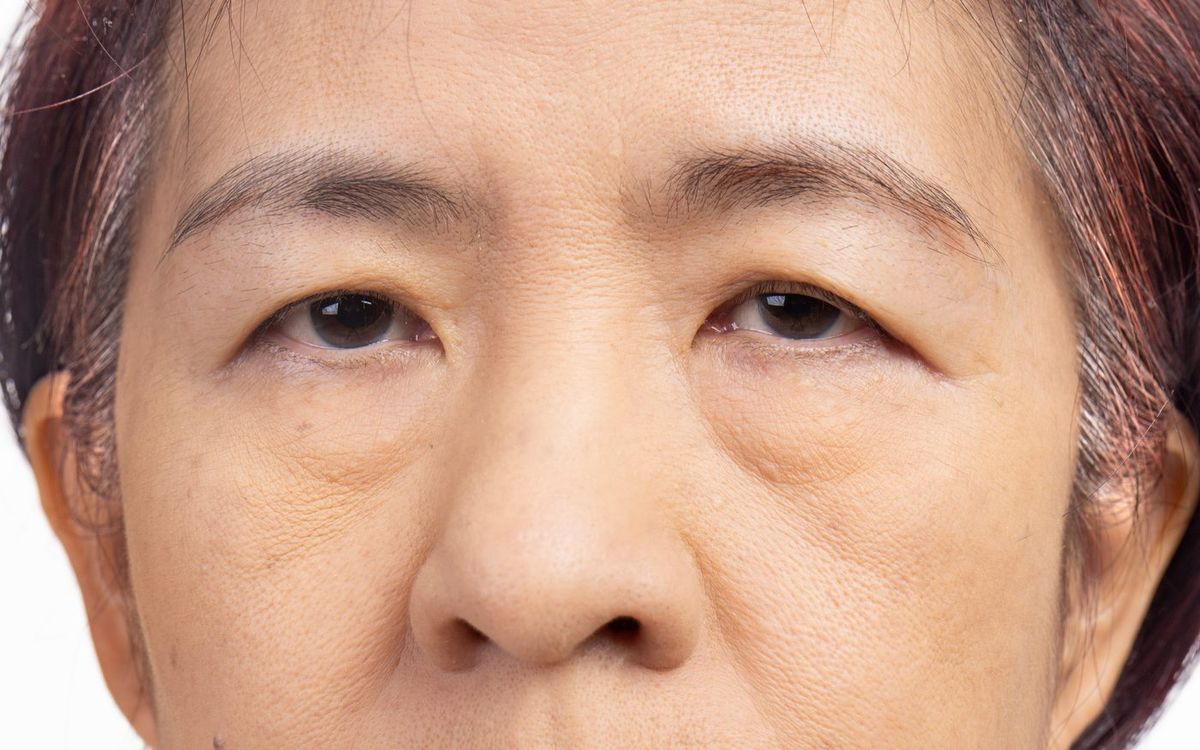
Ptosis (pronounced “toe-sis”) describes an upper eyelid that sits lower than normal. It can affect one or both eyes and may be mild and mainly cosmetic, or severe enough to interfere with sight. The condition can be present from birth (congenital ptosis) or develop later in life (acquired ptosis). The medical name for a droopy eyelid is blepharoptosis, often shortened to ptosis; when surgery is needed it is called ptosis (blepharoptosis) repair.
The upper eyelid is lifted by muscles, chiefly the levator muscle, and their attachments to the lid. When these muscles, their tendons, or the nerves that control them are weakened or stretched, the eyelid droops. Because the eyelid protects the eye and helps frame the field of vision, a significant droop can obstruct the upper and side vision and force people to lift their brow or tip their head back to see.
Symptoms
- One or both upper eyelids sitting lower than usual
- Reduced upper field of vision when the droop is significant
- A tired or sleepy appearance
- Raising the eyebrows or tilting the head back to see clearly
- Eye strain, brow ache or headaches from constant effort to lift the lids
- Asymmetry between the two eyes
- In children, a possible head-back posture or, rarely, effects on visual development
Causes
Ptosis has several causes depending on age of onset:
- Age-related (aponeurotic): the most common cause in adults; the tendon of the lifting muscle stretches or detaches over time
- Congenital: present from birth due to underdevelopment of the levator muscle
- Muscular or nerve conditions: such as myasthenia gravis or a third-nerve palsy
- Trauma or previous eye surgery: that affects the lid muscles
- Long-term contact lens wear: which can stretch the lid tissues
- Mechanical causes: a growth or swelling weighing the lid down
Sudden ptosis, especially with double vision, a large pupil, or other neurological symptoms, can indicate a serious underlying cause and needs urgent assessment.
Risk factors
- Increasing age
- Previous eye surgery, including cataract surgery
- Long-term contact lens or hard lens wear
- Eye trauma
- A family history of congenital ptosis
- Certain neurological and muscular conditions
Complications
When ptosis obscures the pupil, it can reduce the field of vision and make everyday tasks such as reading and driving harder. Chronic overuse of the forehead muscles to compensate can cause brow ache and fatigue. In young children, a severe droop that blocks the visual axis can interfere with normal visual development and lead to a lazy eye (amblyopia), which is why congenital ptosis needs timely specialist review.
Diagnosis
Assessment focuses on the degree of droop and its cause:
- Eyelid measurements: how much the lid droops and how well the lifting muscle works
- Visual field testing: to document whether the droop obstructs vision, which is relevant for treatment decisions and functional assessment
- Slit-lamp examination: to check the eye surface and lid position
- General and neurological review: where an underlying muscle or nerve condition is suspected, sometimes with further tests
Identifying the cause is important, as it guides whether treatment is surgical or directed at an underlying condition.
Treatment
Treatment depends on the cause and severity:
- Observation: mild, stable ptosis that does not affect vision may simply be monitored
- Treating the underlying cause: for example, managing a neurological or muscular condition when that is responsible
- Ptosis surgery: the main treatment for most persistent cases; the procedure tightens or reattaches the lifting muscle, or shortens the lid tissues, to raise the eyelid to a better position
- Congenital ptosis surgery: timing is guided by how much the droop threatens visual development in children
Ptosis surgery is usually performed under local anaesthetic and aims to improve both the field of vision and the appearance of the eyes. Your specialist will discuss the most suitable technique for your situation. It is distinct from blepharoplasty, which removes excess skin, though the two are sometimes combined.
When to see a doctor
See an eye specialist if a drooping eyelid is affecting your vision, causing eye strain, or troubling you cosmetically. Seek urgent care for a sudden droop, particularly if accompanied by double vision, a change in pupil size, severe headache, weakness or difficulty swallowing, as these can signal a serious neurological problem. In children, any noticeable droop should be assessed promptly to protect visual development.
Ptosis Surgery: What to Expect and Recovery
- Before: eyelid measurements and, where relevant, a visual field test to record how much the lid blocks your vision.
- On the day: adult ptosis surgery is usually a day procedure under local anaesthetic; children usually need a general anaesthetic.
- Afterwards: bruising and swelling are common for one to two weeks. Cold compresses, ointment and avoiding heavy lifting help.
- Results: the final lid position settles over several weeks. The two eyelids may not match exactly, and occasionally a further adjustment is needed.
Dr James Ng will explain whether surgery is appropriate and how it would be arranged for you. Costs are quoted after assessment.
Ptosis or Excess Eyelid Skin?
Not every heavy-looking eyelid is ptosis. With age, excess skin can fold over the eyelid edge (dermatochalasis) while the lid itself sits normally; this is treated with blepharoplasty, which removes skin. In ptosis, the lid margin itself is too low because of a problem with the lifting muscle or its nerve supply. The two often occur together, and an examination tells them apart. See also heavy eyelids with normal vision.
Can Ptosis Be Treated Without Surgery?
Eyelid exercises do not correct true ptosis. Prescription eye drops that can lift the lid slightly for several hours have been approved in some countries for certain types of acquired ptosis, but the effect is temporary and they are not suitable for everyone. When ptosis is caused by an underlying condition, such as myasthenia gravis, treating that condition may improve the droop. For most persistent ptosis that affects vision, surgery remains the main treatment.
Frequently asked questions
Is ptosis just a cosmetic problem? Not always. Mild ptosis may be cosmetic, but a significant droop can block part of your vision and cause eye strain, in which case treatment is functional as well as cosmetic.
Will my droopy eyelid get worse? Age-related ptosis often progresses slowly over years. Regular review lets your specialist advise when treatment would be helpful.
Is ptosis surgery permanent? Surgery usually gives a lasting improvement, though the lid tissues can stretch again over many years, and occasionally further adjustment is needed.
When should a child with ptosis be treated? Children with ptosis should be assessed early. If the droop blocks the line of sight, treatment may be needed sooner to prevent a lazy eye.
More questions patients ask
How much does ptosis surgery cost in Singapore? The cost of ptosis surgery at London Eye & Retina Specialist Centre is quoted after an assessment, because treatment depends on the cause and severity of the droop. The assessment includes eyelid measurements and, where relevant, a visual field test. Dr James Ng will explain whether surgery is appropriate and how it would be arranged. Please confirm fees with the clinic.
Can contact lenses cause a droopy eyelid? Yes, long-term contact lens wear, including hard lenses, is a recognised cause of ptosis because it can stretch the eyelid tissues over time. Age-related stretching of the tendon of the lifting muscle is the most common cause in adults. If a droopy eyelid is affecting your vision or causing eye strain, see an eye specialist to find the cause.
Can cataract surgery cause a droopy eyelid? Previous eye surgery, including cataract surgery, is a recognised risk factor for ptosis, as surgery or trauma can affect the eyelid muscles. Increasing age, long-term contact lens wear and eye injury are other risk factors. A droop that develops gradually should be assessed by an eye specialist, while a sudden droop with double vision or a change in pupil size needs urgent care.
Can a droopy eyelid cause headaches? Yes, a droopy eyelid can contribute to headaches. People with significant ptosis often raise their eyebrows or tilt their head back to see, and this constant effort can cause eye strain, brow ache, headaches and fatigue. Treating the ptosis can improve the field of vision. A sudden droop with a severe headache, however, can signal a serious neurological problem and needs urgent care.
Can myasthenia gravis cause a droopy eyelid? Yes, myasthenia gravis, a muscular condition, is one of the causes of ptosis and can also cause double vision. When ptosis is caused by an underlying condition such as myasthenia gravis, treating that condition may improve the droop. A general and neurological review, sometimes with further tests, is part of the assessment when a muscle or nerve cause is suspected.
Key takeaways
- Ptosis is drooping of the upper eyelid, which may be mild or severe enough to block vision.
- It is most often age-related in adults but can be congenital or due to nerve or muscle conditions.
- Sudden ptosis with double vision or pupil changes needs urgent assessment.
- Ptosis surgery raises the eyelid and can improve both vision and appearance.
- Children with ptosis should be seen early to protect visual development.