
Targeted Eye Treatment for Specific Conditions
From managing dry eyes and infections to controlling eye pressure and inflammation, prescription eye drops are a vital part of modern ophthalmic care. Unlike over-the-counter drops, these are tailored to treat specific eye conditions and should be used under the guidance of an eye specialist so that they are used correctly and side effects are monitored.
At London Eye & Retina, we prescribe and monitor a wide range of eye drops based on individual diagnoses. Whether you’re using them for short-term relief or long-term control, we guide you through proper usage and help you avoid common complications.
Antibiotic Eye Drops for Pink Eye (Conjunctivitis)
Not every pink eye needs antibiotics. Most cases of conjunctivitis are caused by viruses, and antibiotic drops do not help viral infections. Allergic conjunctivitis needs anti-allergy drops instead; see allergic conjunctivitis.
Antibiotic drops or ointment may be prescribed for bacterial conjunctivitis, which often causes thick yellow or green discharge and stuck-together eyelids, and for corneal scratches or infections. Use them for the full course prescribed, even if the eye looks better.
See a doctor promptly rather than using leftover drops if the eye is painful, your vision is reduced, you are sensitive to light, you wear contact lenses, the patient is a newborn, or it is not improving after a few days. A painful red eye in a contact lens wearer can be a corneal ulcer. Seek urgent care: call +65 6908 7533 (24-hour emergency eye care is available).
Prescription Eye Drops for Glaucoma
Eye drops are usually the first treatment for glaucoma. They lower eye pressure either by reducing the fluid the eye makes or by helping it drain. Commonly used groups include:
- Prostaglandin analogues, usually once a day; can darken the iris and make eyelashes grow longer
- Beta-blockers, which can affect breathing and heart rate in some people, so tell your doctor if you have asthma or heart problems
- Carbonic anhydrase inhibitors and alpha agonists, often used as additional drops or combination bottles
Glaucoma drops work only while you keep using them, usually every day for life, even though you will not notice a difference in how you see. Do not stop them without advice. If drops are difficult to use or tolerate, laser such as selective laser trabeculoplasty (SLT) may be an option.
Cyclosporine and Other Prescription Drops for Dry Eye
Mild dry eye is often managed with non-prescription lubricating drops, warm compresses and lid hygiene. When dryness is linked to inflammation and does not settle, prescription anti-inflammatory drops may help. Cyclosporine eye drops calm the inflammation that reduces tear production; they can sting at first and usually take weeks to months to show their full effect.
Short courses of mild steroid drops are sometimes used for flare-ups. If you use lubricating drops many times a day, preservative-free versions are usually kinder to the eye surface.
Steroid Eye Drops: Why Monitoring Matters
Steroid drops are very useful for inflammation, such as after eye surgery or in uveitis, but they need supervision. In some people they raise eye pressure, which can lead to glaucoma if unnoticed; longer use can contribute to cataract; and they can make some infections, such as herpes keratitis, worse. Only use steroid drops that were prescribed for you, for as long as advised, and attend pressure checks.
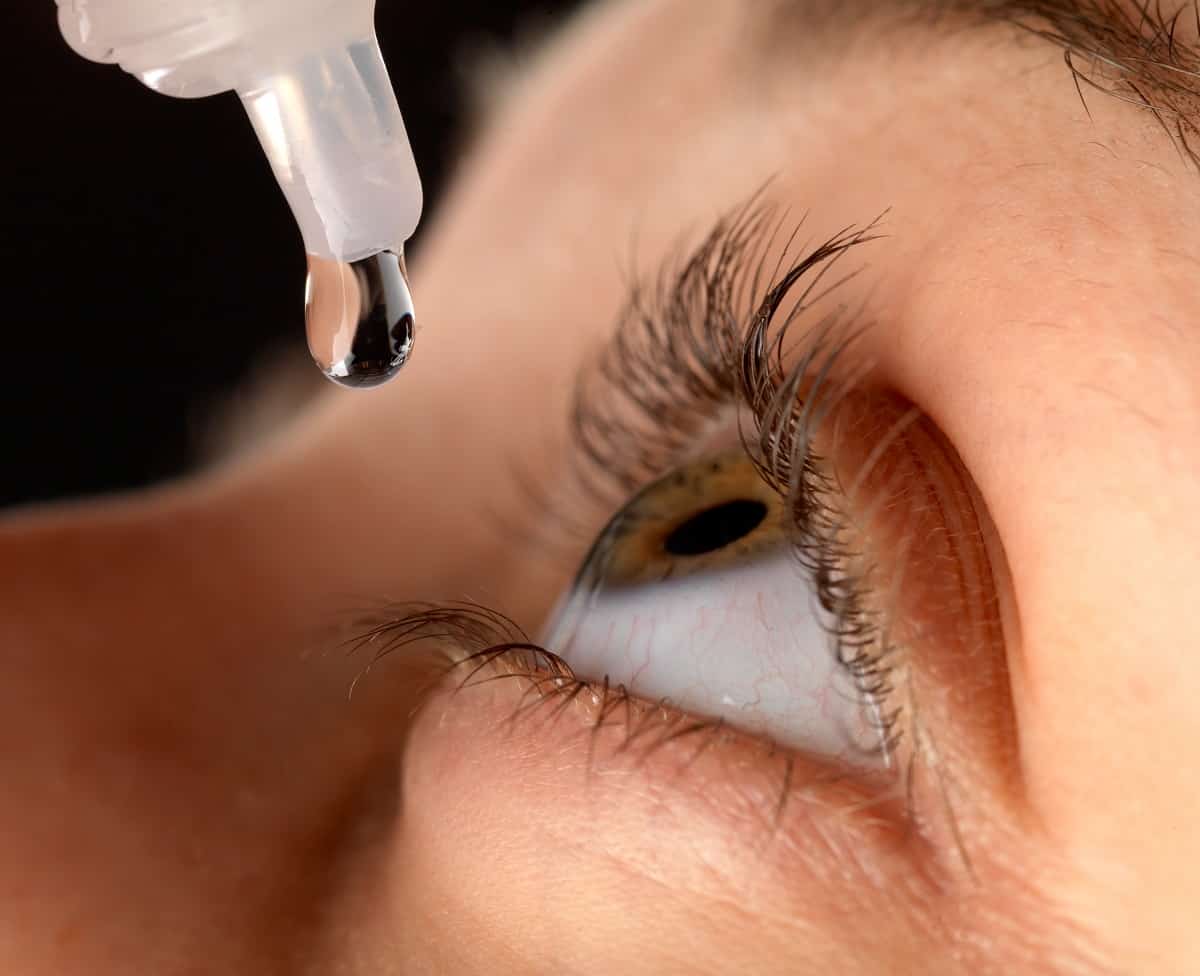
How to Use Eye Drops Correctly
- Wash your hands and check the label and expiry date.
- Tilt your head back, gently pull down the lower eyelid and look up.
- Put one drop into the pocket of the lower lid without letting the bottle tip touch the eye or lashes.
- Close the eye and press gently on the inner corner for 1–2 minutes to keep the drop in the eye and reduce absorption into the body.
- If you use more than one type of drop, wait about 5 minutes between them.
- Follow instructions about contact lenses, and discard opened bottles after the period stated on the label.
Tailored Treatment for Long-Term Eye Health
Whether it’s a temporary issue or part of your long-term care plan, prescription eye drops are an essential tool in maintaining healthy, comfortable vision.
Schedule a consultation with Dr. James Ng at London Eye & Retina and explore your options for clearer, sharper sight.
More questions patients ask
When should I use preservative-free eye drops? Preservative-free eye drops are usually the better choice if you use lubricating drops many times a day, as they are kinder to the eye surface. They are commonly used for dry eye, and for relieving dryness from screen use when artificial tears are needed several times a day. Mild dry eye is often managed with non-prescription lubricating drops, warm compresses and lid hygiene, with prescription drops added if inflammation does not settle.
Are redness-relief eye drops safe to use every day? Redness-relieving eye drops are not recommended for regular use. In conjunctivitis they may mask symptoms and are not a treatment. If your eyes are often red, an eye specialist can look for the underlying cause, such as dry eye, blepharitis or infection, and recommend a suitable treatment instead. See a doctor promptly if a red eye is painful, your vision is reduced, you are sensitive to light or you wear contact lenses.
Can I use leftover or someone else’s eye drops? No. Do not use leftover drops from a previous infection or someone else’s eye drops. Steroid drops in particular should only be used if prescribed for you, as they can make some infections, such as herpes keratitis, worse. See a doctor promptly instead if the eye is painful, your vision is reduced, you are sensitive to light, you wear contact lenses or it is not improving after a few days.
What eye drops are used for allergic eyes? Allergic conjunctivitis is treated with anti-allergy eye drops, such as antihistamine or mast-cell-stabiliser drops, rather than antibiotics. Avoiding the trigger, cool compresses and lubricating drops also ease itching and irritation. For mild symptoms a pharmacist can advise on anti-allergy drops or antihistamine tablets, but see an eye specialist if symptoms are severe or persistent, or your vision is affected.
Can I use numbing eye drops at home? No. Numbing (anaesthetic) eye drops are used in the clinic, for example to allow removal of a foreign body, but they are not for use at home. Repeated use can delay healing of the eye surface and hide worsening damage. If your eye stays painful or scratchy, have it examined by an eye specialist rather than masking the pain.