Managing Sudden Changes in Vision Linked to Eye Circulation
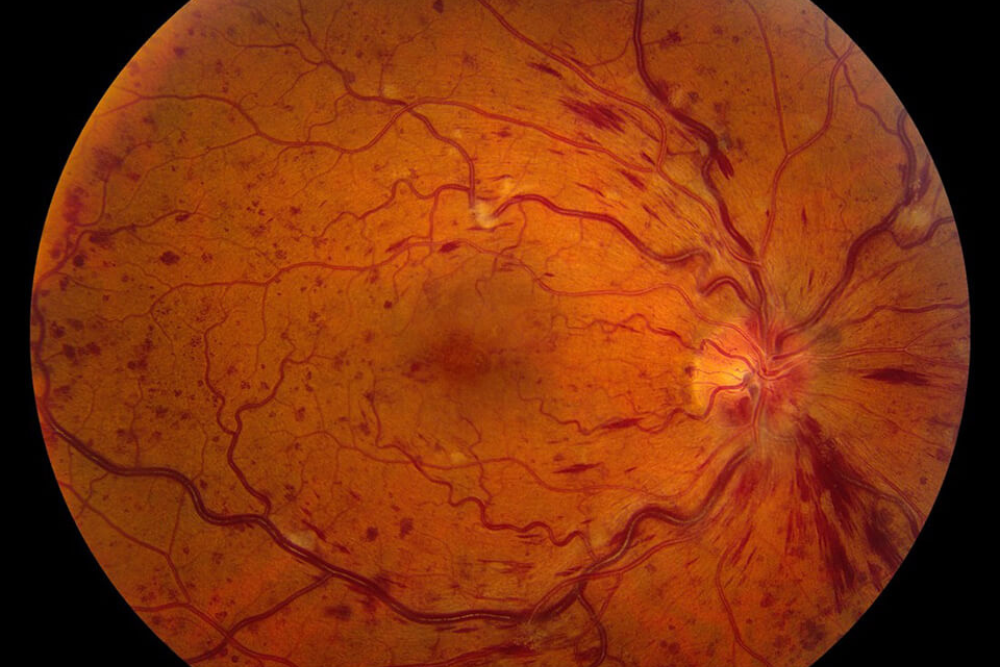
Retinal vascular disorders occur when blood flow through the vessels supplying the retina becomes blocked or restricted. Depending on the vessel affected, this can cause sudden blurred vision, loss of part of the visual field, or significant vision loss in one eye, often without pain.
Common retinal vascular conditions include central retinal vein occlusion (CRVO), branch retinal vein occlusion (BRVO), central retinal artery occlusion (CRAO), and branch retinal artery occlusion (BRAO). Because these conditions can affect the retina quickly and may lead to lasting visual damage, prompt assessment is important to identify the cause, evaluate the extent of retinal involvement, and determine whether retina macula treatment is appropriate.
What Are Retinal Vascular Disorders?
1. CRVO (Central Retinal Vein Occlusion)
2. BRVO (Branch Retinal Vein Occlusion)
3. CRAO (Central Retinal Artery Occlusion)
4. BRAO (Branch Retinal Artery Occlusion)
What Causes These Conditions?
- Hypertension (high blood pressure)
- Diabetes
- High cholesterol
- Glaucoma
- Smoking
- Cardiovascular disease or clotting disorders
Symptoms to Watch For Retinal Vascular Disorders
- Sudden vision loss in one eye
- Blurred or distorted vision
- A dark spot or shadow in part of the visual field
- In CRAO, vision loss may be near-complete and painless.
How Are They Diagnosed Retinal Vascular Disorders?
- Dilated retinal examination
- Optical Coherence Tomography (OCT): To assess swelling or structuraXl changes
- Fluorescein Angiography: To map blocked or leaking vessels
- Visual field testing and imaging for underlying systemic risks
Treatment Options Retinal Vascular Disorders
CRVO & BRVO
- Anti-VEGF injections to reduce macular oedema and restore vision
- Steroid injections or implants in selected cases
- Laser therapy in certain BRVO cases to prevent further complications
CRAO & BRAO
- Immediate attempts to restore blood flow may include ocular massage, reducing intraocular pressure, or inhalation therapy.
- Long-term management involves cardiovascular evaluation and preventing further events.
- Vision recovery is often limited, especially if treatment is delayed.