When Do Cataract and Retinal Surgeries Need to Be Combined?
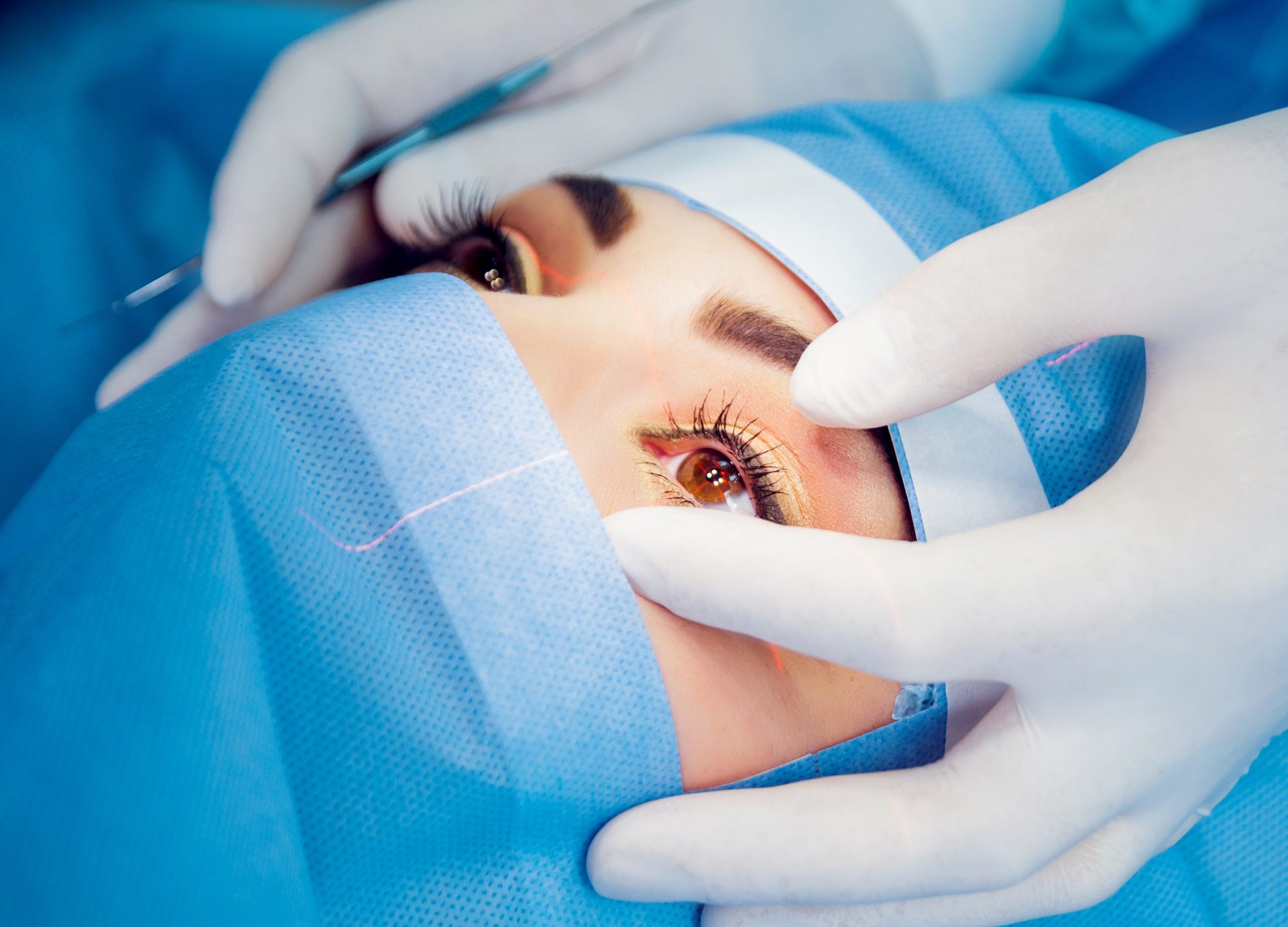
If you are considering cataract and retinal surgery in Singapore, you may be dealing with vision changes caused by more than one eye condition. Cataracts can make your sight cloudy or blurred, while retinal problems such as epiretinal membranes, macular holes, or diabetic retinopathy can affect central vision, cause distortion, or lead to floaters and flashes. For suitable patients, a combined surgical approach can address both conditions in one treatment plan, with the goal of improving visual clarity while protecting retinal health.
- Epiretinal membrane (macular pucker)
- Macular hole
- Retinal detachment
- Diabetic retinopathy or vitreous haemorrhage
At London Eye & Retina, our integrated team approach means both your lens and retinal concerns are managed with precision and care. If you’ve been diagnosed with a retinal condition and cataracts, we’re here to help you understand your treatment options and support you through every step.
How Are the Procedures Performed?
- Cataract Removal: The cloudy lens is removed and replaced with an artificial intraocular lens (IOL).
- Pars Plana Vitrectomy: A retinal surgery technique where the vitreous gel is removed to access the retina and perform necessary repairs, such as peeling membranes or treating retinal tears.
Benefits of Combined Surgery
- Single recovery period
- Reduced risk of visual distortion post-cataract surgery in patients with retinal disease
- Better visual rehabilitation when retinal clarity is restored alongside lens clarity
- Avoids delays in treating either condition