
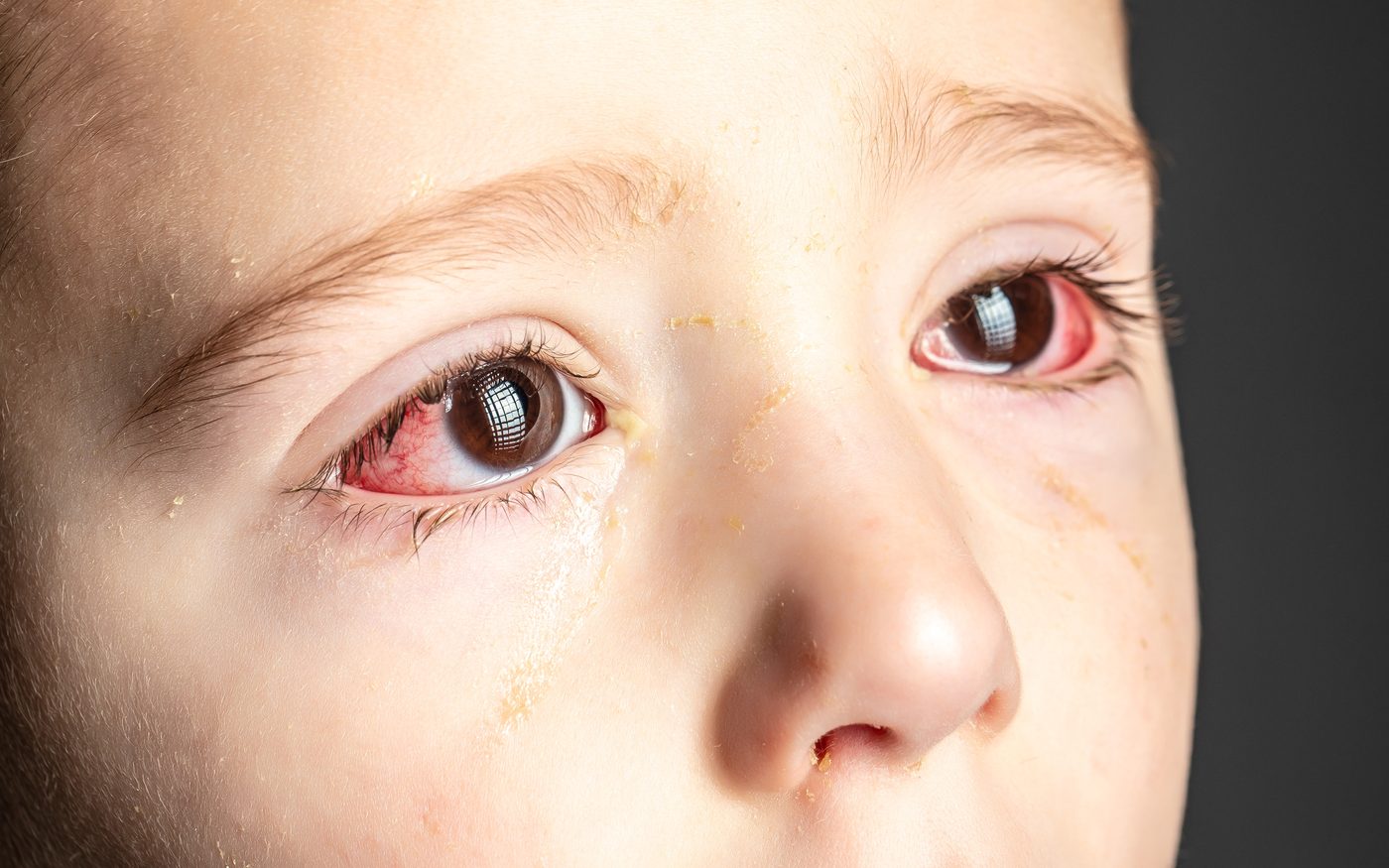
When Your Child’s Red, Itchy Eyes Are More Than Just a Reaction
It’s not unusual for children to rub their eyes occasionally, but if your child frequently experiences red, itchy, or watery eyes, it could be more than just seasonal irritation. Allergic conjunctivitis is common in school-age children, and some may develop more persistent or severe forms, such as Vernal Keratoconjunctivitis (VKC).
At London Eye & Retina, we help parents identify and manage these eye allergies with an approach that focuses on both symptom relief and long-term eye comfort.
What Is Allergic Conjunctivitis?
Allergic conjunctivitis occurs when the eyes react to allergens such as dust, pollen, pet dander, or environmental triggers. It causes inflammation of the conjunctiva, the clear tissue covering the white part of the eye and inner eyelids.
There are different types:
- Seasonal Allergic Conjunctivitis – triggered by pollen or outdoor allergens, often worse during certain times of the year
- Perennial Allergic Conjunctivitis – occurs year-round, often due to indoor allergens like dust mites or mould
- Vernal Keratoconjunctivitis (VKC) – a more severe, chronic form typically affecting boys between ages 5 and 15, particularly in warmer climates
What Causes It?
Children with a family history of allergies, asthma, or eczema may be more likely to develop allergic eye conditions. Triggers include:
- Pollen and grass
- House dust mites
- Animal dander
- Air pollutants
- Eye rubbing or poor lid hygiene (which can worsen symptoms)
VKC may also have an immune-mediated component and tends to be more persistent and recurrent.
What Are the Symptoms?
Children may present with:
- Red or bloodshot eyes
- Itchy, irritated eyes (often leading to constant rubbing)
- Watery or stringy discharge
- Swollen eyelids
- Light sensitivity (especially in VKC)
- Foreign body sensation (feeling like something is in the eye)
In VKC, symptoms can be more intense and long-lasting, and children may develop large bumps (papillae) on the inner eyelids or inflammation near the cornea, which can impact vision if left untreated.
When Should Parents Be Concerned?
Most mild cases of allergic conjunctivitis are self-limiting. However, you should bring your child in for a specialist review if:
- Symptoms persist beyond a few days
- Vision becomes blurry
- There is significant light sensitivity
- Your child is constantly rubbing their eyes
- Over-the-counter drops are not helping
- Symptoms worsen with each season
Early assessment and treatment are especially important for VKC to prevent corneal involvement.
How Is It Diagnosed?
At London Eye & Retina, our child-friendly eye assessments include:
- Visual acuity testing
- External eye and eyelid examination
- Slit-lamp biomicroscopy to inspect the conjunctiva and cornea
- Discussion of allergy history and potential triggers
VKC has a characteristic appearance and can usually be diagnosed clinically, though in some cases, referral to an allergist may be recommended for broader allergy management.
Treatment Options
Treatment focuses on relieving symptoms and preventing long-term complications:
- Allergen avoidance where possible (e.g. using air filters, reducing dust exposure)
- Cold compresses for soothing relief
- Lubricating eye drops to flush out allergens and reduce irritation
- Topical antihistamines or mast cell stabilisers
- Prescription steroid eye drops for moderate to severe VKC (used under close supervision)
- Immune-modulating drops such as cyclosporine (in chronic VKC cases)
Avoiding eye rubbing is crucial, as this can worsen inflammation and increase the risk of corneal damage.
Allergic Conjunctivitis or an Eye Infection?
Allergic conjunctivitis is usually very itchy, affects both eyes, produces watery or stringy discharge and often comes with sneezing, a runny nose or eczema. It is not contagious. Infective conjunctivitis is less itchy, often starts in one eye, may follow a cold and can spread to others.
Read more in our article how to tell allergic conjunctivitis from an eye infection.
VKC: Trantas Dots, Shield Ulcers and Why Follow-Up Matters
VKC is a more severe, long-lasting allergic inflammation, seen more often in children living in warm climates such as Singapore. On examination, Dr Ng may see large bumps under the upper eyelid (giant papillae) and small white spots at the edge of the cornea called Trantas dots.
In some children, VKC causes a shield ulcer, a sore on the upper cornea that causes pain, light sensitivity and blurred vision. This needs prompt treatment to protect vision.
Treatment for VKC may include anti-allergy drops, short courses of steroid drops during flare-ups, and steroid-sparing drops such as ciclosporin for longer-term control. Steroid drops can raise eye pressure and contribute to cataract if used long term, so they are only used under regular specialist monitoring. Do not continue or restart steroid drops without review.
Does VKC Go Away?
VKC often becomes milder and many children outgrow it around or after puberty. Until then it tends to flare, often seasonally, so a long-term plan, avoiding eye rubbing and regular reviews help keep the cornea healthy. Frequent eye rubbing is also linked to keratoconus, so it is worth checking the cornea in children with ongoing itch.
Helping Your Child Feel Better, And See Clearly
Allergic conjunctivitis and VKC can significantly affect your child’s comfort, focus at school, and quality of life. With the right care and follow-up, most children experience good control of symptoms and enjoy improved daily function.
Book a children’s eye consultation at London Eye & Retina for a tailored allergy management plan that supports your child’s eye health, through every season.
More questions patients ask
Is VKC common in children in Singapore? Vernal keratoconjunctivitis (VKC) is seen more often in children living in warm climates such as Singapore. It typically affects boys between the ages of 5 and 15 and is a more severe, chronic form of allergic eye inflammation than ordinary allergic conjunctivitis. Children with a family history of allergies, asthma or eczema may be more likely to develop allergic eye conditions.
Can allergic conjunctivitis or VKC damage my child’s eyesight? Mild allergic conjunctivitis is usually self-limiting, but VKC can affect vision if it is left untreated. Inflammation near the cornea can cause a shield ulcer, a sore on the upper cornea that brings pain, light sensitivity and blurred vision. Frequent eye rubbing is also linked to keratoconus, so children with ongoing itch benefit from having the cornea checked by an eye specialist.
Are steroid eye drops safe for children with VKC? Steroid eye drops are used for VKC only in short courses during flare-ups and under regular specialist monitoring. Long-term use can raise eye pressure and contribute to cataract, so steroid-sparing drops such as ciclosporin are used for longer-term control. Parents should not continue or restart steroid drops for VKC without a review by the eye specialist.
How can I relieve my child’s itchy, allergic eyes at home? Simple home measures can ease allergic eye symptoms in children: reduce exposure to triggers such as dust, for example with air filters, use cold compresses, and use lubricating eye drops to flush out allergens. Most importantly, discourage eye rubbing, which worsens inflammation and raises the risk of corneal damage. If symptoms last beyond a few days or over-the-counter drops are not helping, see an eye specialist.