
Blepharitis (Eyelid Inflammation)
Blepharitis is a common, long-term inflammation of the eyelid margins, causing redness, crusting, irritation and a gritty feeling in the eyes.
Book a Consultation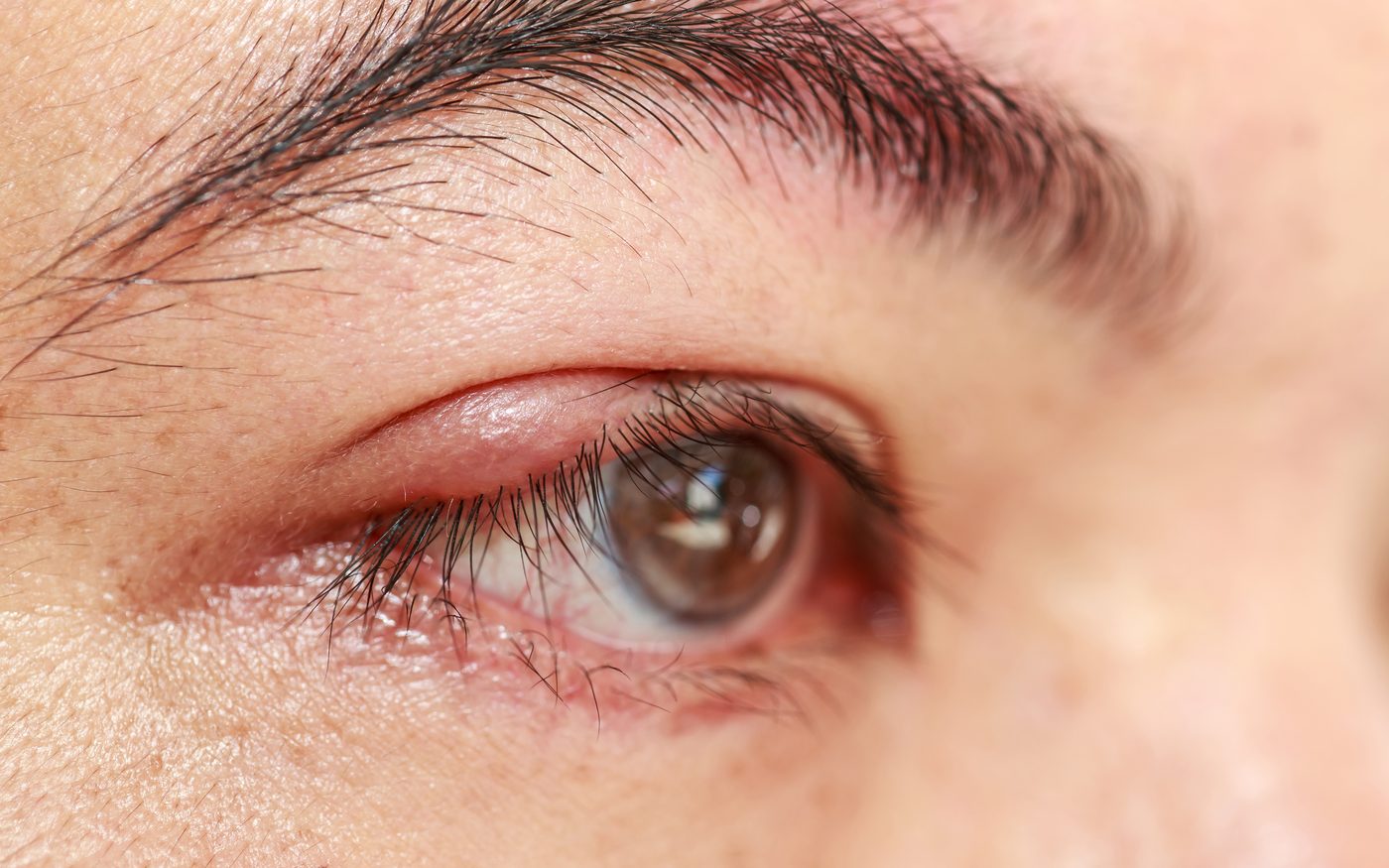
Overview
Blepharitis affects the edges of the eyelids where the eyelashes grow. It is a chronic condition, meaning it tends to come and go over time rather than resolve permanently. Although it is rarely sight-threatening, it can be persistent and uncomfortable, and it is one of the most common reasons people experience recurring eye irritation.
There are two main types, which often overlap. Anterior blepharitis affects the outer front edge of the eyelid around the lash bases. Posterior blepharitis affects the inner rim where the meibomian glands, the tiny oil glands that keep tears from evaporating, open. When these glands become blocked or inflamed (meibomian gland dysfunction), the tear film destabilises, which is why blepharitis and dry eye so often occur together.
Symptoms
Symptoms typically affect both eyes and may include:
- Red, swollen or itchy eyelid margins
- Crusting or flaking at the base of the lashes, worse on waking
- A gritty, burning or foreign-body sensation
- Watery eyes or, paradoxically, dryness
- Sticky eyelids, sometimes crusted shut in the morning
- Sensitivity to light
- Misdirected, missing or clumped lashes in long-standing cases
Symptoms often fluctuate, with better and worse spells.
Causes
Blepharitis is usually caused by a combination of factors rather than a single one:
- Blocked oil glands: dysfunction of the meibomian glands leads to poor-quality, stagnant oil
- Bacteria: an overgrowth of normal skin bacteria along the lash line
- Skin conditions: such as seborrhoeic dermatitis (dandruff) and rosacea
- Demodex mites: tiny mites that live in lash follicles can contribute in some people
- Allergy or irritation: from cosmetics or contact lens solutions
Risk factors
- Oily skin, dandruff or seborrhoeic dermatitis
- Rosacea
- Dry eye disease
- Contact lens wear
- Use of eye make-up, particularly if not fully removed
- Older age
Complications
Most complications relate to ongoing discomfort and eye-surface problems. Untreated blepharitis can lead to worsening dry eye, styes and chalazion (blocked, swollen oil glands), and, in some cases, damage or loss of eyelashes. Chronic inflammation may occasionally cause the cornea to become irritated or inflamed, affecting vision. Good long-term control usually keeps these problems at bay.
Diagnosis
Blepharitis is diagnosed by examination of the eyelids and eye surface:
- Slit-lamp examination: a microscope to inspect the lid margins, lash bases and meibomian gland openings
- Assessment of the oil glands: checking whether the glands are blocked and the quality of the oil they produce
- Tear film evaluation: as dry eye frequently coexists
- Lash inspection: for crusting, mites or lash changes
No blood tests are usually needed; the diagnosis is clinical.
Treatment
Blepharitis is managed rather than cured, and consistent eyelid care is the foundation of treatment:
- Warm compresses: applied to the closed lids to soften oils and unblock glands
- Eyelid hygiene: gentle cleaning of the lid margins with a proprietary lid wipe or diluted cleanser to remove crusts and reduce bacteria
- Lid massage: to express the softened oils from the glands
- Lubricating drops: artificial tears to relieve associated dryness
- Medicated treatment: antibiotic or anti-inflammatory ointments or drops for flare-ups, and sometimes a short course of oral antibiotics for their anti-inflammatory effect
- In-clinic therapies: for stubborn meibomian gland dysfunction, additional treatments may be discussed
The key to success is doing eyelid hygiene regularly and continuing it even when symptoms improve, as blepharitis tends to return if care lapses.
When to see a doctor
See an eye specialist if your symptoms are persistent, keep returning, or do not improve with basic eyelid hygiene. Seek prompt review for significant eye pain, marked redness, changes in vision, a tender lump on the lid, or loss of eyelashes, as these may need targeted treatment. Contact lens wearers with ongoing irritation should also be assessed.
Prevention
- Perform regular eyelid hygiene, especially if you are prone to flare-ups
- Remove eye make-up thoroughly each night
- Manage related skin conditions such as dandruff and rosacea
- Use warm compresses routinely if you have oily or blocked glands
- Avoid rubbing the eyes and keep hands and towels clean
How to Clean Your Eyelids: A Daily Blepharitis Routine
- Wash your hands.
- Soak a clean flannel in warm (not hot) water, or use a heated eye mask, and test the temperature on the inside of your wrist.
- Close your eyes and hold it over the eyelid for 5 to 10 minutes, re-warming as it cools.
- Gently massage the eyelids towards the lashes to help release the oil glands.
- Clean along the lash line with a lid wipe, or a cotton bud dipped in cooled boiled water with a little baby shampoo or a lid-cleaning solution.
- Do this once or twice a day, and keep going even when symptoms settle.
Stop and seek advice if lid cleaning makes your eyes noticeably more sore or red.
Demodex Blepharitis and Eyelash “Dandruff”
Demodex are tiny mites that normally live in hair follicles. In some people they multiply around the lashes and contribute to blepharitis. A typical sign is waxy, sleeve-like crusting at the base of the lashes (collarettes), sometimes described as eyelash dandruff, often with itchy lid margins.
Demodex is confirmed on slit-lamp examination. Treatment usually involves regular lid hygiene with lid-cleaning products, and sometimes specific prescription treatments. Washing pillowcases and towels regularly and replacing old eye make-up also help.
Crusty Eyelids in the Morning: Is It Blepharitis?
Crusting on waking is common in blepharitis, but other causes include infective conjunctivitis (usually with redness and discharge during the day), a stye, eye allergy or a blocked tear duct. If crusting comes with pain, reduced vision or a red eye that is not settling, have your eyes examined.
Frequently asked questions
Can blepharitis be cured? It is usually a long-term condition that is controlled rather than cured. Regular eyelid hygiene keeps symptoms in check, and many people stay comfortable with ongoing care.
Is blepharitis contagious? No. Blepharitis is not passed from person to person, even though bacteria play a role in it.
Why do my symptoms keep coming back? Blepharitis is chronic and tends to recur if eyelid care stops. Continuing warm compresses and lid cleaning even during good spells helps prevent flare-ups.
Is blepharitis linked to dry eye? Yes. Blocked oil glands destabilise the tear film, so blepharitis and dry eye frequently occur together and are often treated alongside each other.
More questions patients ask
Is blepharitis serious? Blepharitis is rarely sight-threatening, but it can be persistent and uncomfortable. Left untreated, it can worsen dry eye, lead to styes and chalazia, and in some cases damage or cause loss of eyelashes. Chronic inflammation may occasionally irritate or inflame the cornea and affect vision. Seek prompt review from an eye specialist for significant eye pain, marked redness, changes in vision or a tender lump on the lid.
Do I need antibiotics for blepharitis? Antibiotics are not the mainstay of blepharitis treatment; regular warm compresses, lid massage and eyelid hygiene are. Antibiotic or anti-inflammatory ointments or drops may be prescribed for flare-ups, and sometimes a short course of oral antibiotics is used for its anti-inflammatory effect. Whether you need medicated treatment depends on your examination, so see an eye specialist if symptoms persist despite good eyelid care.
What is the difference between blepharitis and conjunctivitis? Blepharitis is a long-term inflammation of the eyelid margins, while conjunctivitis is inflammation of the conjunctiva, the thin layer over the white of the eye and inside the lids. Blepharitis typically causes crusting at the lash bases that is worse on waking, and it is not contagious. Infective conjunctivitis usually causes redness and discharge during the day, and viral and bacterial types spread easily between people.
Does eye make-up cause blepharitis? Eye make-up can contribute to blepharitis, particularly when it is not fully removed, and cosmetics can also cause allergy or irritation of the lid margins. If you wear eye make-up, remove it thoroughly every night. Replacing old eye make-up, and washing pillowcases and towels regularly, also helps when Demodex mites are involved. If flare-ups continue despite good eyelid hygiene, have your eyelids examined by an eye specialist.
Key takeaways
- Blepharitis is a common, chronic inflammation of the eyelid margins.
- It causes redness, crusting, grittiness and irritation, often in both eyes.
- It is closely linked to blocked oil glands and dry eye.
- Regular warm compresses and eyelid hygiene are the mainstay of control.
- It is managed rather than cured, so ongoing care prevents recurrence.