
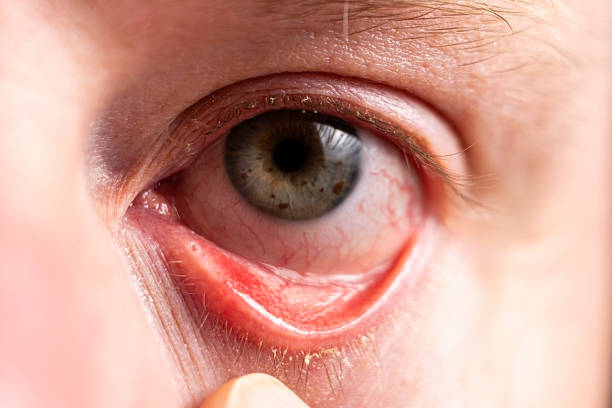
Urgent Care for Vision-Threatening Eye Injuries
Chemical splashes and heat-related accidents can cause severe damage to the delicate tissues of the eye, often within seconds. Whether it’s industrial chemicals, household cleaners, or hot liquids and vapours, both chemical and thermal eye burns are medical emergencies that require immediate treatment to prevent long-term vision loss.
At London Eye & Retina, we offer emergency care for chemical and thermal burns to the eye, with rapid response and specialised management to preserve your vision and minimise complications.
What Are Chemical Eye Burns?
Chemical burns occur when harmful substances come into contact with the eye, damaging the cornea and surrounding tissues. They are commonly caused by:
- Alkalis (e.g., ammonia, lye, bleach): These penetrate deeper into the eye and tend to cause more damage than acids
- Acids (e.g., battery acid, vinegar, hydrochloric acid): Usually cause surface damage but can still be serious
- Irritants (e.g., alcohol-based products, detergents): May cause discomfort and inflammation
Symptoms of Chemical Burns
- Severe eye pain or stinging
- Redness and watering
- Blurred vision or light sensitivity
- Swelling of the eyelids
- Difficulty keeping the eye open
- In severe cases, whitening of the eye surface
What Are Thermal Eye Burns?
Thermal burns result from exposure to high heat, flames, or hot liquids. The surface of the eye or surrounding tissues may be affected, and in more serious cases, the inner eye structures can also be involved.
Common causes
- Hot oil or steam splashes in kitchens
- Exposure to open flames or fireworks
- Industrial or welding accidents
- Heated cosmetic tools or electrical burns
Symptoms of Thermal Burns
- Immediate burning sensation
- Redness and pain
- Blistering or singeing of lashes or lids
- Reduced vision if the cornea is affected
Immediate First Aid
Every second counts. If a chemical gets into the eye, rinse with clean running water straight away, holding the eyelids open, and keep rinsing continuously for at least 15 minutes, or until medical help takes over. Do not wait to find saline or to call first if water is at hand. Then seek urgent care.
Emergency? Call +65 6908 7533 (24-hour emergency eye care available) or go to the nearest emergency department.
For Chemical Burns
- Begin flushing the eye immediately with clean water or saline, and continue for at least 15 minutes.
- Remove contact lenses if present.
- Do not use any other eye drops unless advised by a doctor.
- Seek emergency medical care as soon as possible.
For Thermal Burns
- Gently rinse with cool water
- Avoid rubbing the eye.
- Apply a sterile dressing if available.
- Do not apply ointments or attempt to treat at home.
- Seek prompt medical attention.
Medical Management at London Eye & Retina
Once you’re in our care, treatment may include:
- Thorough eye flushing (irrigation) and pH testing for chemical burns
- Antibiotic and anti-inflammatory eye drops to prevent infection and reduce inflammation.
- Pain management and lubricating drops
- Surgical intervention in severe cases (e.g., amniotic membrane grafts, corneal transplants)
- Monitoring for secondary complications, such as glaucoma, corneal scarring, or delayed healing
Bleach, Chlorine and Household Chemicals in the Eye
- Alkalis such as bleach, oven and drain cleaners, ammonia, lime, cement and plaster are especially dangerous because they penetrate the eye quickly. Rinse immediately and continuously, and seek emergency care even if the pain eases.
- Acids, such as toilet cleaners or battery acid, also need immediate rinsing and urgent review.
- Pool chlorine usually causes temporary stinging and redness. Rinse with clean water; see a doctor if pain, blurred vision or light sensitivity persist.
- Hand sanitiser, soap and shampoo often cause stinging that settles after rinsing, but young children’s eyes should be checked if they remain red or painful.
If you can, bring the product container or label with you, as it helps guide treatment.
Should I Use Eye Drops After a Chemical Splash?
No. Water is the first treatment. Do not use over-the-counter eye drops, milk or other liquids to try to “neutralise” the chemical, and do not delay rinsing to look for them. After assessment, the eye may be rinsed further and its pH tested, and you may be prescribed antibiotic, anti-inflammatory and lubricating drops.
Recovery After a Chemical or Thermal Eye Injury
Mild burns that affect only the surface often heal within days with drops and follow-up. More severe burns can damage the stem cells at the edge of the cornea and lead to scarring, chronic dry eye, raised eye pressure or reduced vision, sometimes needing further procedures such as an amniotic membrane graft or corneal transplant. Attending every follow-up visit is important, even if the eye feels better.
Why Urgent Care Is Crucial
Delayed treatment can result in permanent damage to the cornea, iris, and other structures. Even mild burns can lead to complications if not properly managed.
Schedule a consultation with Dr. James Ng at London Eye & Retina for follow-up care. For a new injury, do not wait for an appointment: call our 24-hour emergency line on +65 6908 7533.
More questions patients ask
Should I go to A&E or an eye clinic after a chemical splash in my eye? After a chemical splash, rinse the eye first, then either call a 24-hour eye emergency line or go to the nearest emergency department. Rinse with clean running water for at least 15 minutes before travelling. London Eye & Retina in Novena offers 24-hour emergency eye care on +65 6908 7533. If the injury is severe, involves other parts of the body or you cannot reach the clinic, go to the nearest hospital emergency department or call 995.
Can I get a medical report for a workplace chemical eye injury? Yes. For industrial eye injuries, London Eye & Retina provides medical documentation and insurance-compliant reporting, along with same-day evaluation for workplace accidents and collaboration with occupational health teams if needed. After any chemical splash at work, rinse the eye for at least 15 minutes first, then seek urgent care, and bring the product container or label if you can, as it helps guide treatment.