
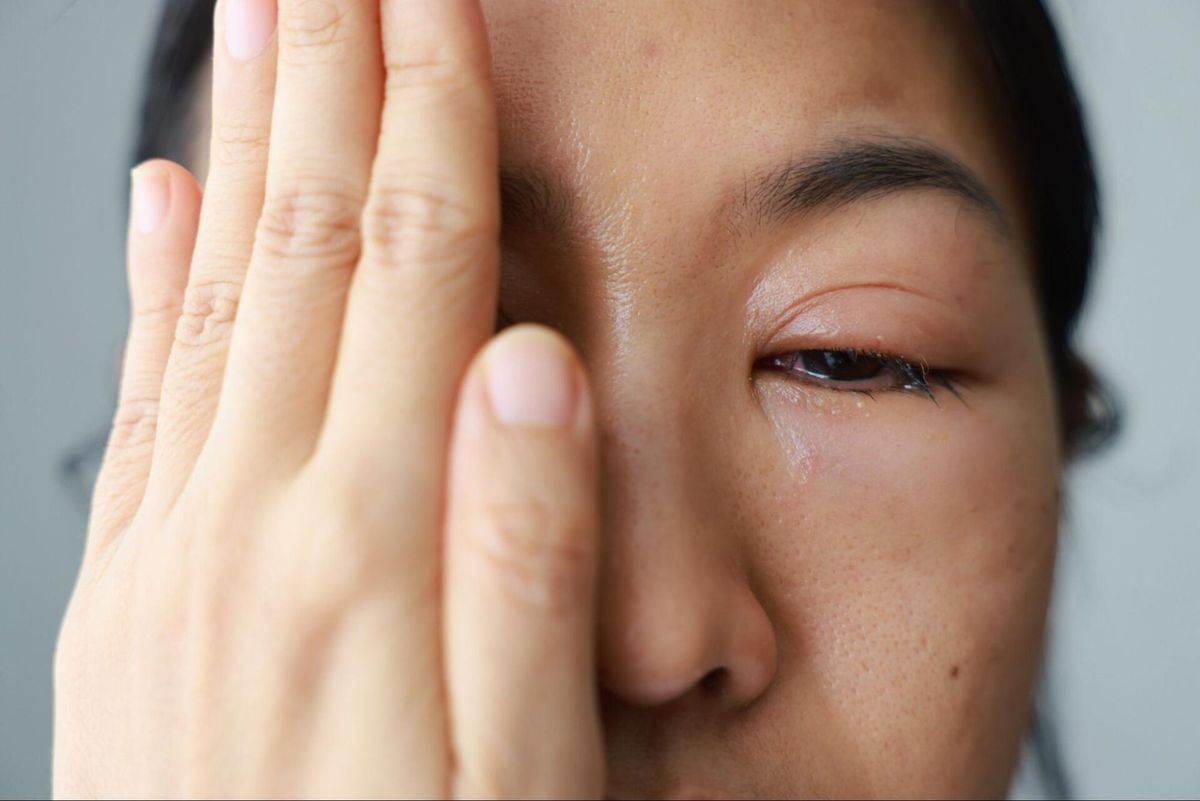
Responding Quickly to Preserve Sight After Eye Injuries
Eye injuries can happen suddenly, whether from an accident at work, a sports injury, chemical exposure, or a sharp object, and they require urgent medical attention. Even seemingly minor trauma can lead to serious complications if left untreated. When it comes to protecting vision, every minute counts.
At London Eye & Retina, we offer rapid-response eye trauma care, managing everything from surface injuries to complex internal damage. If you’ve experienced an eye injury, prompt evaluation and treatment are key to preventing long-term visual impairment.
Common Types of Eye Trauma
Eye injuries can affect any part of the eye, from the eyelids to the retina. Common emergencies we treat include:
- Corneal abrasions: Scratches on the eye’s surface
- Blunt trauma: From sports or falls, which may cause bleeding, swelling, or internal damage
- Penetrating injuries: Sharp objects entering the eye
- Chemical burns: From cleaning products, industrial substances, or aerosol sprays
- Orbital fractures: Breaks in the bones surrounding the eye
- Foreign bodies: Dust, metal fragments, or debris stuck in the eye
- Traumatic retinal tears or detachment
Some injuries cause immediate symptoms, while others may seem minor initially but worsen over hours or days.
Signs You Need Emergency Eye Care
Seek urgent help if you experience:
- Sudden vision loss or double vision
- Persistent eye pain or discomfort
- Blood in the eye (hyphaema)
- Flashes of light or a shadow over vision
- Difficulty opening the eye or visible deformity
- Foreign object embedded in the eye
- Chemical exposure (immediate irrigation is critical)
Avoid rubbing the eye, applying pressure, or attempting to remove embedded objects.
How Are Eye Injuries Managed?
At London Eye & Retina, our team is trained in ocular emergency care and equipped to examine and image the eye in detail. Depending on the nature and severity of the injury, treatment may involve:
- Irrigation and first aid for chemical exposure
- Removal of foreign bodies under magnification
- Antibiotic or steroid drops to reduce inflammation or prevent infection
- Surgical repair for lacerations or globe injuries
- Laser treatment for trauma-related retinal tears or bleeding
- Imaging (OCT, ultrasound, CT scan) to assess internal structures
Aftercare and Monitoring
Even after the immediate injury is treated, ongoing monitoring is essential to detect secondary complications such as:
- Elevated eye pressure (glaucoma)
- Infection
- Cataract formation
- Retinal detachment
- Scar tissue or visual distortion
Our team provides follow-up care and visual rehabilitation support tailored to each patient’s recovery.
Eye Injury First Aid: What to Do (and Not Do)
| Injury | Do | Don’t |
|---|---|---|
| Chemical splash | Rinse with clean running water immediately and continuously for at least 15 minutes, then get urgent care (chemical burns) | Delay rinsing or use other liquids |
| Dust or grit | Blink, and rinse with clean water or saline | Rub the eye or use tweezers or cotton buds |
| Blow to the eye | Apply a cold compress gently, without pressing on the eye | Press on the eyeball |
| Cut or object stuck in the eye | Cover with a rigid shield (such as a paper cup) and go to emergency care | Remove the object, rinse or apply pressure |
Emergency? Call +65 6908 7533 (24-hour emergency eye care available) or go to the nearest emergency department.
Black Eye: When Is It Serious?
A black eye is bruising and swelling of the eyelids and surrounding skin, usually after a blow. Most settle within one to two weeks. Even so, the eye itself can be injured behind a swollen lid, so seek same-day assessment if you have:
- Blurred, reduced or double vision
- Blood visible in the front of the eye (hyphaema)
- Pain on moving the eye, or the eye looks sunken or will not move normally
- Numbness of the cheek or upper lip, which can indicate a broken eye socket (orbital fracture)
- New flashes, floaters or a shadow over vision
Avoid blowing your nose hard after facial trauma until a fracture has been ruled out.
Blood on the White of the Eye (Subconjunctival Haemorrhage)
A bright red patch on the white of the eye after a minor knock, rubbing, coughing or straining is usually a subconjunctival haemorrhage, a small burst blood vessel under the surface. It looks alarming but is usually painless, does not affect vision and fades over one to two weeks. Lubricating drops can ease any mild grittiness.
Have it checked if it followed a significant injury, comes with pain or reduced vision, keeps recurring, or you take blood-thinning medication. See also red eyes.
Scratched Cornea or Something in Your Eye?
A scratched cornea (corneal abrasion) and foreign bodies such as dust or metal fragments are among the most common eye injuries. Symptoms, healing and treatment are covered in detail on our corneal abrasion, foreign body and eye trauma page and on foreign body removal.
Your Eyes Are Too Important
With eye trauma, acting quickly can mean the difference between full recovery and permanent vision loss. Whether it’s a small particle or a serious injury, trust your instincts and get it checked.
Schedule a consultation with Dr. James Ng at London Eye & Retina for follow-up care. For a new injury, do not wait for an appointment: call our 24-hour emergency line on +65 6908 7533.
More questions patients ask
Should I go to A&E or an eye specialist after an eye injury? After an eye injury, you can call a 24-hour eye emergency line or go to the nearest emergency department. London Eye & Retina Specialist Centre in Novena offers 24-hour emergency eye care on +65 6908 7533. If the injury is severe, involves other parts of the body, or you cannot reach the clinic, go to the nearest hospital emergency department or call 995. Do not drive yourself if your vision is affected.
Can an eye injury cause problems weeks or months later? Yes. An eye injury can lead to secondary complications after the initial injury has been treated, including raised eye pressure (glaucoma), infection, cataract formation, retinal detachment, and scar tissue or visual distortion. Some injuries seem minor at first but worsen over hours or days. This is why follow-up visits and ongoing monitoring are important, even when the eye feels better.
Do I need a referral to see an eye specialist for an eye injury? A GP referral is usually not needed to see an eye specialist at London Eye & Retina Specialist Centre in Novena. For a new eye injury, do not wait for an appointment: call the 24-hour emergency line on +65 6908 7533. Some insurers require a letter from a panel GP before they will cover a specialist visit, so check with your insurer if you plan to claim.
How can I prevent eye injuries at work and during sports? Wearing suitable protective eyewear is the simplest way to prevent most eye injuries. Safety glasses with side shields protect against flying particles, sealed goggles protect against chemical splashes and dust, and face shields worn over glasses or goggles suit grinding and high-energy tasks. Ordinary prescription glasses are not safety eyewear. After an injury, protective eyewear may be recommended for high-risk work or sports.
Who treats eye injuries at London Eye & Retina? Eye injuries at London Eye & Retina Specialist Centre are managed by Dr James Ng, a Consultant Ophthalmic Surgeon with 20+ years of eye surgery. He is triple fellowship-trained, including a Senior Fellowship in Vitreoretinal Surgery at Moorfields Eye Hospital, and his areas of specialisation include eye reconstruction after trauma or surgery and retinal detachment surgery. Treatment ranges from foreign body removal to surgical repair.