Navigating Genetic Eye Disorders with Clarity and Ongoing Support
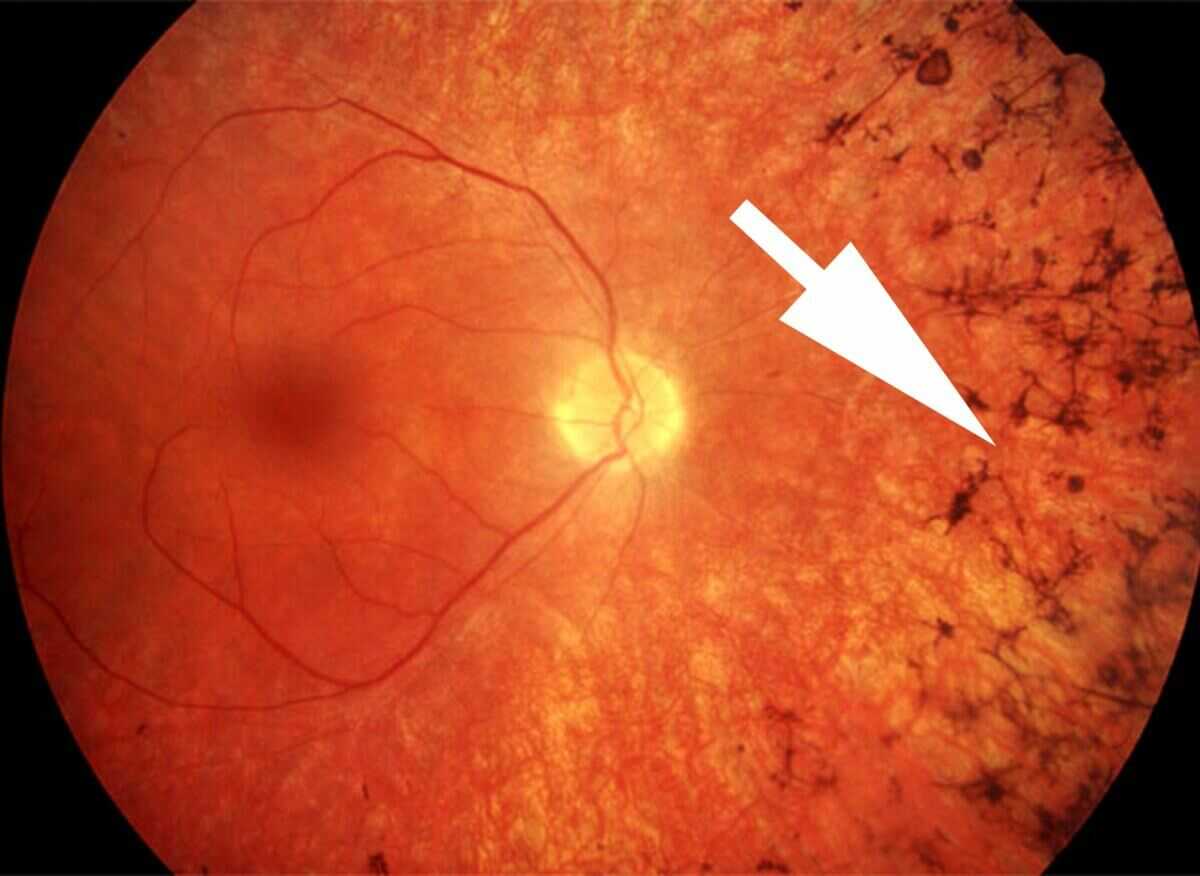
Hereditary retinal disorders are a group of genetic conditions that affect how the retina develops or functions over time. They may cause symptoms such as reduced night vision, difficulty seeing in low light, loss of peripheral vision, or gradual changes in central vision, sometimes beginning in childhood or early adulthood.
Because these conditions can progress differently from one person to another, a detailed retinal assessment is important for understanding the specific changes affecting your vision. Depending on the diagnosis, ongoing monitoring, genetic evaluation, and appropriate retina macula treatment may form part of the overall management plan.
At London Eye & Retina, we offer personalised assessment and monitoring for hereditary retina conditions, along with access to genetic testing and clinical trial guidance where appropriate.
What Are Hereditary Retina Conditions?
These are inherited disorders that affect the structure and function of the retina, the light-sensitive layer at the back of the eye. Unlike acquired retinal diseases, hereditary conditions are typically present from birth or develop in early life, and they often progress slowly over time.
Common hereditary retina conditions include:
- Retinitis Pigmentosa (RP): Gradual loss of night and peripheral vision due to degeneration of rod cells
- Stargardt Disease: A form of macular degeneration that begins in childhood or adolescence, causing central vision loss
- Cone-Rod Dystrophy: Affects colour and central vision first, followed by peripheral and night vision
- Choroideremia: X-linked condition causing progressive peripheral vision loss and night blindness
- Leber Congenital Amaurosis (LCA): A severe early-onset retinal disorder present from birth or early infancy
- X-linked Retinoschisis: Affects mostly males and causes splitting of retinal layers, leading to reduced vision.
Symptoms to Watch For
Depending on the condition and its severity, symptoms may include:
- Difficulty seeing in low light or darkness
- Central or peripheral vision loss
- Colour vision changes
- Progressive narrowing of visual field (“tunnel vision”)
- In children, poor visual tracking or light sensitivity
Symptoms can vary greatly, even within the same family.
How Are Hereditary Retina Conditions Diagnosed?
Diagnosis typically involves a combination of:
- Detailed eye exam and family history
- Optical Coherence Tomography (OCT): High-resolution retinal scans
- Fundus Autofluorescence Imaging (FAF): To track retinal cell health
- Electroretinography (ERG): To assess retinal function
- Visual field testing
- Genetic testing: Identifies the specific gene mutation involved and guides counselling or eligibility for future treatments
Can They Be Treated?
There is no cure for most hereditary retinal conditions yet, but early diagnosis and monitoring help slow progression and preserve quality of life. Management includes:
- Low vision support and assistive devices
- Nutritional advice and supplements, where appropriate
- Protective eyewear and UV filters
- Mobility and visual training
- Referral to genetic counselling for family planning and understanding risks
- Access to emerging clinical trials, especially for gene-specific therapies (e.g., RPE65 gene therapy for certain LCA types)
Looking Ahead
While these conditions often progress slowly, regular monitoring is essential to track changes and explore new interventions. Our team stays informed on the latest research and connects eligible patients to clinical trials when available.
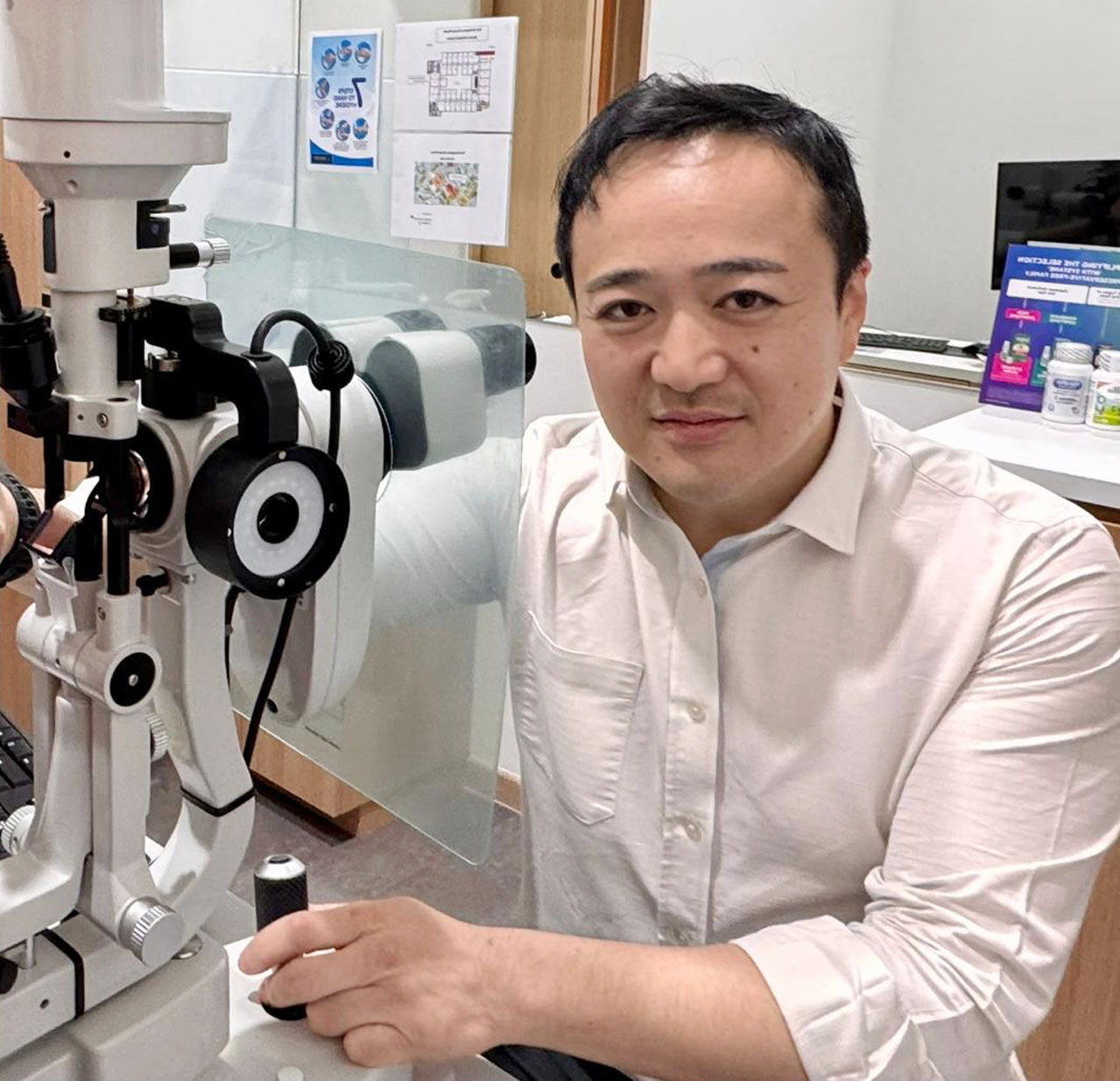
Schedule a consultation with Dr. James Ng at London Eye & Retina and explore your options for clearer, sharper sight.
Let us support you and your family in understanding and managing inherited retinal conditions for today and the future.