The Retina: A Small Structure with a Big Role in Vision
The retina is the light-sensitive layer of tissue at the back of the eye that converts light into signals the brain uses to form an image. Because it is essential to both central and peripheral vision, damage to the retina can affect how clearly you see, how well you detect detail, and how much of your visual field remains intact.
Retinal conditions can develop gradually or appear suddenly, depending on the underlying cause. A detailed eye examination can help identify changes in the retina, assess how vision is being affected, and determine whether retina macula treatment is needed.
At London Eye & Retina, we specialise in the diagnosis and management of retinal diseases. From age-related conditions to complex diabetic complications, our approach is patient-centred and grounded in current clinical evidence.
What Are Retinal Diseases?
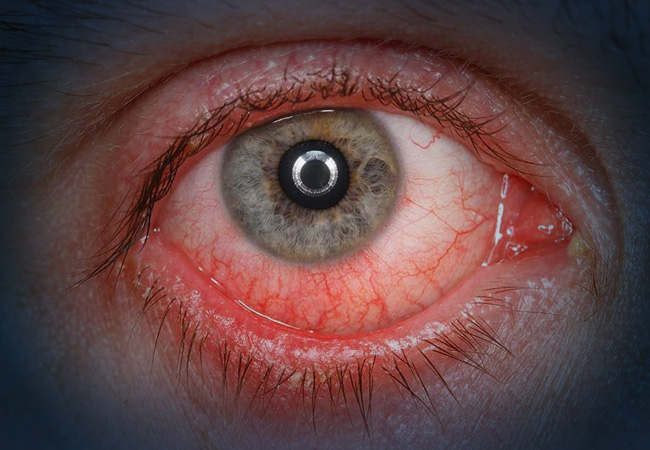
Retinal diseases refer to a group of eye conditions that affect the retina’s structure or function. Some may involve the macula (the central part responsible for sharp vision), while others affect the peripheral retina or the retinal blood vessels.
These conditions can lead to:
- Blurred central or peripheral vision
- Distorted vision
- Sudden vision loss
- Visual field defects
- Floaters or flashes of light
Some retinal diseases progress slowly, while others require urgent attention.
Common Retinal Conditions We Manage
We provide care for a wide range of retinal conditions, including:
- Age-related Macular Degeneration (AMD) – gradual damage to the central retina affecting reading and face recognition
- Diabetic Retinopathy and Diabetic Macular Oedema (DME) – complications from diabetes that affect retinal blood vessels
- Retinal Vein or Artery Occlusion – sudden blockage of retinal vessels, potentially causing acute vision loss
- Retinal Detachment or Retinal Tears – when the retina separates from the underlying tissue
- Macular Hole or Epiretinal Membrane (ERM) – changes to the macula that can cause distortion or central blur
- Uveitis with Retinal Involvement – inflammation that can affect the retina or nearby structures
- Inherited Retinal Conditions – including retinitis pigmentosa
Each condition presents differently and requires tailored management.
What Are the Retinal Diseases Symptoms?
Retinal diseases may not always cause pain but often lead to visual symptoms. These include:
- Blurred or distorted central vision
- Difficulty reading or recognising faces
- Sudden loss of part of your visual field
- New floaters or flashing lights
- A shadow or “curtain” across your vision
- Poor night vision
If you experience sudden or unexplained vision changes, it’s important to seek prompt assessment.
How Are Retinal Conditions Diagnosed?
At London Eye & Retina, a detailed retinal evaluation includes:
- Dilated eye examination to visualise the retina
- Optical Coherence Tomography (OCT) to scan retinal layers in high detail
- Fundus photography to document retinal appearance
- Fluorescein angiography for vascular assessment (if needed)
- Visual field testing to assess peripheral vision
- Ultrasound (B-scan) in cases where the retina cannot be seen clearly due to bleeding or opacity
These tools help us diagnose the specific retinal condition, monitor its progression, and guide appropriate treatment.
Treatment Options
Management varies depending on the diagnosis. Options include:
- Laser therapy for retinal tears or vascular conditions
- Intravitreal injections (e.g. anti-VEGF medication) for AMD or diabetic macular oedema
- Vitrectomy surgery for retinal detachment, vitreous haemorrhage, or macular holes
- Anti-inflammatory medication for uveitic retinal conditions
- Vision aids or referrals for low-vision rehabilitation in advanced cases
We work closely with each patient to understand their needs, explain their condition, and plan appropriate next steps.
Why Regular Retinal Screening Matters
Many retinal diseases progress silently, especially in early stages. If you have diabetes, high myopia, or a family history of retinal disease, routine screening can help detect changes before symptoms begin.
Book Your Retinal Evaluation
Your retina plays a critical role in how you see the world. Whether you’ve noticed symptoms or have a condition that increases your risk, early diagnosis and treatment can make all the difference.
Book a consultation at London Eye & Retina today for a detailed retinal assessment and personalised care plan.
Expert Retinal Care in Singapore