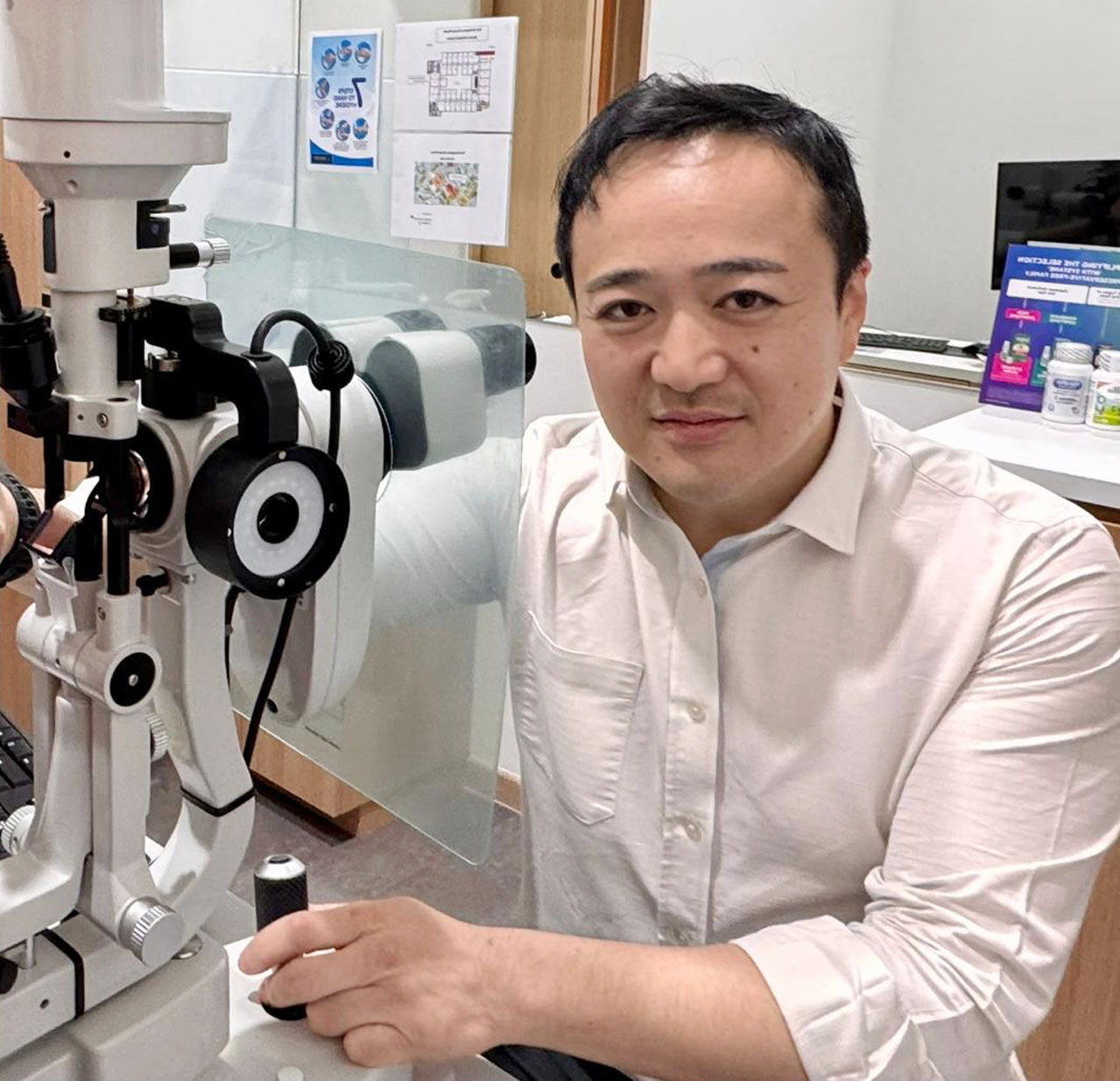
If you’re tired of relying on glasses or contact lenses, LASIK surgery may seem like an appealing option. However, like any medical procedure, it is important to understand how it works, who may be suitable for it, and what to expect before making a decision. Speaking with an ophthalmologist can help you determine whether the procedure is appropriate for your individual eye condition and lifestyle.
Key Takeaways
LASIK eye surgery reshapes the cornea to correct common refractive errors such as myopia, hyperopia and astigmatism.
- Not everyone is a suitable candidate, and a comprehensive eye assessment is essential before treatment.
- Understanding the benefits, potential risks and recovery process helps you make a more informed decision.
- Following your ophthalmologist’s advice before and after surgery supports a smoother recovery.
What Is LASIK Eye Surgery and How Does It Work?
LASIK (Laser-Assisted In Situ Keratomileusis) is a type of laser vision correction that reshapes the cornea to help light focus more accurately on the retina. The procedure is commonly considered for individuals with,
- Short-sightedness (myopia)
- Long-sightedness (hyperopia)
- Astigmatism
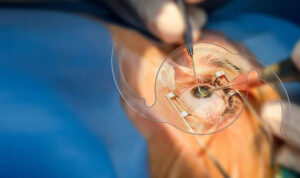
During the procedure,
- A thin flap is created on the cornea.
- A specialised laser reshapes the underlying corneal tissue.
- The flap is repositioned without stitches.
- The procedure is usually completed within a short period for each eye.
Your ophthalmologist will determine whether your eye condition is suitable for this form of vision correction.
Am I a Suitable Candidate for LASIK Eye Surgery?
Not everyone is suitable for LASIK. A detailed eye examination helps assess whether the procedure is appropriate. You may be considered suitable if you,
- Are at least 18 years old.
- Have had a stable spectacle prescription for an appropriate period.
- Have healthy corneas with sufficient thickness.
- Do not have active eye infections or significant eye diseases.
- Are generally in good health.
LASIK may not be suitable for individuals with,
- Certain corneal conditions
- Severe dry eyes
- Uncontrolled diabetes affecting eye health
- Pregnancy or breastfeeding, when vision may temporarily fluctuate
A personalised assessment is the safest way to determine your options.
What Should You Expect Before the Procedure?
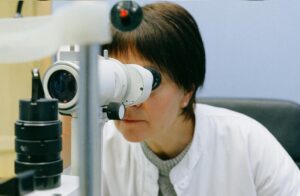
Before undergoing LASIK eye surgery, your ophthalmologist will carry out a thorough evaluation that may include,
- Measuring your spectacle prescription
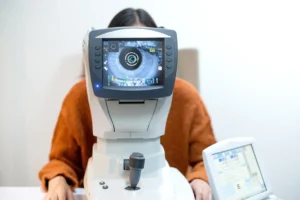
- Mapping the shape and thickness of your cornea
- Assessing tear production and eye surface health
- Examining your retina and overall eye health
- Reviewing your medical history and medications
You may also be advised to,
- Stop wearing contact lenses for a period before assessment.
- Arrange for someone to accompany you home after the procedure.
- Discuss your visual needs, work requirements and lifestyle expectations.
These steps help ensure appropriate planning and informed decision-making.
What Is Recovery Like After LASIK Eye Surgery?
Recovery is generally gradual, although each person’s experience may differ. Many patients notice vision changes within the first few days, while vision may continue to stabilise over the following weeks.
After the procedure, you may be advised to,
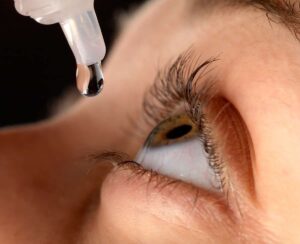
- Use prescribed eye drops as instructed.
- Avoid rubbing your eyes.
- Wear protective eye shields while sleeping initially.
- Avoid swimming and dusty environments during early recovery.
- Attend scheduled follow-up appointments.
Temporary symptoms such as mild discomfort, glare, halos or dry eyes may occur during the healing process. Your ophthalmologist will explain what is expected and when to seek further review if needed.
What Questions Should You Ask Before Deciding?
Before proceeding with LASIK eye surgery, consider asking your ophthalmologist,
- Am I a suitable candidate for this procedure?
- What results can I reasonably expect based on my eyes?
- What are the possible risks and limitations?
- What alternative treatment options are available?
- How long will recovery take for my daily activities?
- How often will follow-up appointments be required?
Having these discussions allows you to make a decision based on clear medical advice rather than assumptions.
Frequently Asked Questions
Is LASIK eye surgery painful?
The procedure is typically performed using numbing eye drops. Some people may experience mild discomfort or irritation for a short period afterwards.
How long does LASIK eye surgery take?
The procedure itself is generally completed within a short time for each eye, although your overall clinic visit may be longer due to preparation and post-procedure assessment.
Will I still need glasses after LASIK?
Some individuals achieve reduced dependence on glasses, while others may still require spectacles for certain activities or with age-related vision changes. Outcomes vary between individuals.
How soon can I return to work?
This depends on your occupation and how your eyes recover. Your ophthalmologist will advise when it is appropriate to resume work and other daily activities.
Make an Informed Decision About Your Vision
Choosing to undergo LASIK eye surgery is a personal decision that should be based on a thorough understanding of the procedure and a comprehensive eye assessment. An individual consultation allows your ophthalmologist to evaluate your eye health, discuss suitable treatment options and answer any questions you may have.
If you are considering LASIK eye surgery in Singapore, schedule a consultation with our team at London Eye & Retina Specialist Centre. A personalised assessment can help you understand whether LASIK is suitable for your vision needs and support you in making an informed decision.