For someone with glaucoma, eye drops may become part of everyday life. But what happens when the treatment intended to protect your sight leaves your eyes feeling dry, gritty or uncomfortable?
If you have sensitive eyes, you may wonder whether preservative-free formulations are a better option. It depends on your symptoms, the medication you use and how well your glaucoma is controlled.
Key Takeaways
- Glaucoma eye drops help control eye pressure, but some formulations can cause irritation, dryness or redness.
- Preservative-free eye drops may be worth discussing if you experience persistent discomfort.
- Not all eye irritation is caused by preservatives; the active medication and other eye conditions can also contribute.
- Never stop or change your prescribed glaucoma medication without consulting your ophthalmologist.
Why can glaucoma eye drops irritate sensitive eyes?
Glaucoma damages the optic nerve, often in association with raised pressure inside the eye. Treatment aims to reduce this pressure and limit further damage to vision.
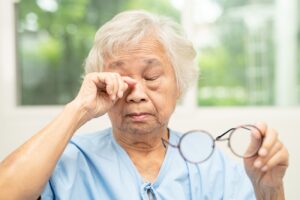
For many patients, prescribed eye drops are an important part of treatment. However, using them regularly can sometimes cause discomfort. Possible symptoms include,
- Stinging or burning after application.
- Redness around the eyes.
- A gritty sensation, as though something is in the eye.
- Dryness or excessive watering.
- Irritation that becomes more noticeable throughout the day.
Some glaucoma drops contain preservatives to prevent contamination after opening. Certain preservatives, particularly benzalkonium chloride, can irritate the eye surface in some people, especially with prolonged exposure.
However, preservatives are not the only possible cause. The active medication itself, pre-existing dry eye disease, eyelid inflammation and other eye conditions may contribute to similar symptoms.
Could preservative-free eye drops make a difference?
Preservative-free formulations are designed to deliver medication without the preservatives used in some conventional eye drops.
For patients who experience ocular surface irritation, switching to a preservative-free formulation may reduce exposure to substances that contribute to discomfort. This can be particularly relevant for people who need several eye medications or have been using them for years.
However, preservative-free does not automatically mean irritation-free. The active ingredient may still cause side effects, and symptoms may persist if another condition is responsible.
Availability also varies between medications and formulations. Your ophthalmologist will need to consider whether a suitable alternative can provide the pressure control you require.
What should you consider before switching?
When reviewing glaucoma eye drops for sensitive eyes, your ophthalmologist will consider more than whether a product contains preservatives.
Some factors that may influence the decision include,
- Your current eye pressure- Any alternative must provide appropriate pressure control for your glaucoma.
- The severity of your symptoms- Occasional stinging may require a different approach from persistent redness or significant dryness.
- Your medication schedule- If you use several eye drops, the number of applications and the intervals between them may affect your treatment routine.
- Other eye conditions- Dry eye disease or eyelid inflammation may need separate management.
- The available formulations- Your doctor can assess whether a preservative-free version or another medication is appropriate.
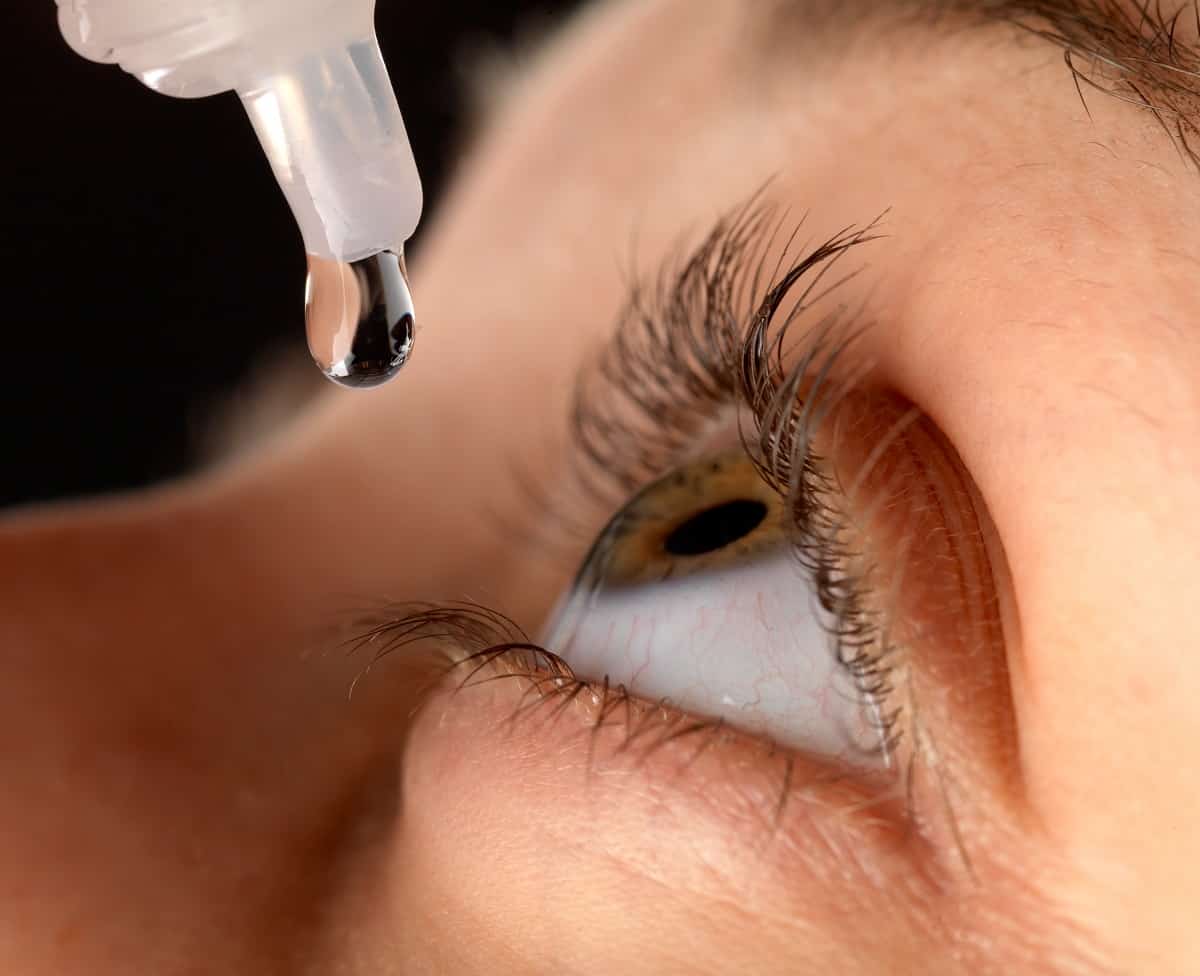
Correct application matters, too. Avoid touching the bottle tip against your eye, and follow the prescribed dosage and storage instructions. If you use multiple eye drops, ask your ophthalmologist how long to wait between applications.
Most importantly, do not stop your glaucoma medication simply because your eyes feel uncomfortable. Uncontrolled glaucoma can cause irreversible vision loss, and early damage may occur without noticeable symptoms.
Frequently Asked Questions
Are preservative-free eye drops better for everyone with glaucoma?
No. They may help people who experience irritation associated with preservatives, but the benefits depend on the individual. Your ophthalmologist can determine whether switching is appropriate.
Can I buy preservative-free eye drops and use them with my glaucoma medication?
Do not substitute an over-the-counter product for your prescribed glaucoma medication. Lubricating eye drops may help relieve dryness, but they do not replace pressure-lowering treatment. Ask your ophthalmologist or pharmacist which products are suitable for use alongside your medication.
How do I know whether preservatives are causing my eye irritation?
Symptoms alone cannot reliably identify the cause. Your ophthalmologist may examine the eye surface, review your medications and consider other possible causes before recommending a change.
Will switching to preservative-free eye drops improve my glaucoma?
Preservative-free formulations are not inherently more effective at controlling glaucoma. Their potential benefit is reducing preservative-related irritation while maintaining appropriate treatment. Any change must still achieve the required eye pressure control.
When should I seek medical attention for eye irritation?
Arrange an assessment if discomfort persists, worsens or interferes with your daily activities. Seek urgent medical attention for severe eye pain, sudden changes in vision, marked redness with pain, or other sudden and significant eye symptoms.
Schedule a consultation to discuss your options with an Ophthalmologist
Living with glaucoma may involve long-term treatment, but persistent eye discomfort should not simply be accepted as part of the routine. Identifying the cause can help determine whether preservative-free formulations, lubricating drops or another approach may be suitable.
At London Eye & Retina Specialist Centre, Dr. James Ng Kin Wah can assess your glaucoma management and discuss concerns about medication-related irritation. If your eyes have become increasingly sensitive or your current drops are difficult to tolerate, consider booking a consultation to review your symptoms and treatment options.
The priority is to maintain appropriate eye pressure control while addressing any discomfort that may affect your ability to follow your prescribed treatment.