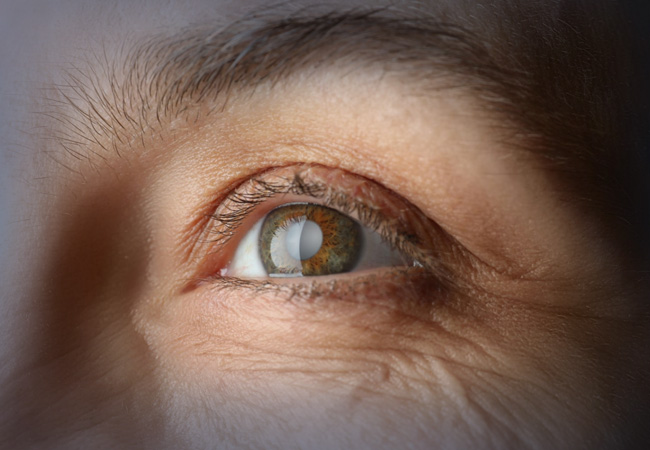
What Do Swollen, Itchy or Red Eyelids Tell You About Your Eye Health?
Swollen, itchy or red eyelids – should you be concerned? Read our latest blog to understand common eyelid problems

Swollen, itchy or red eyelids – should you be concerned? Read our latest blog to understand common eyelid problems
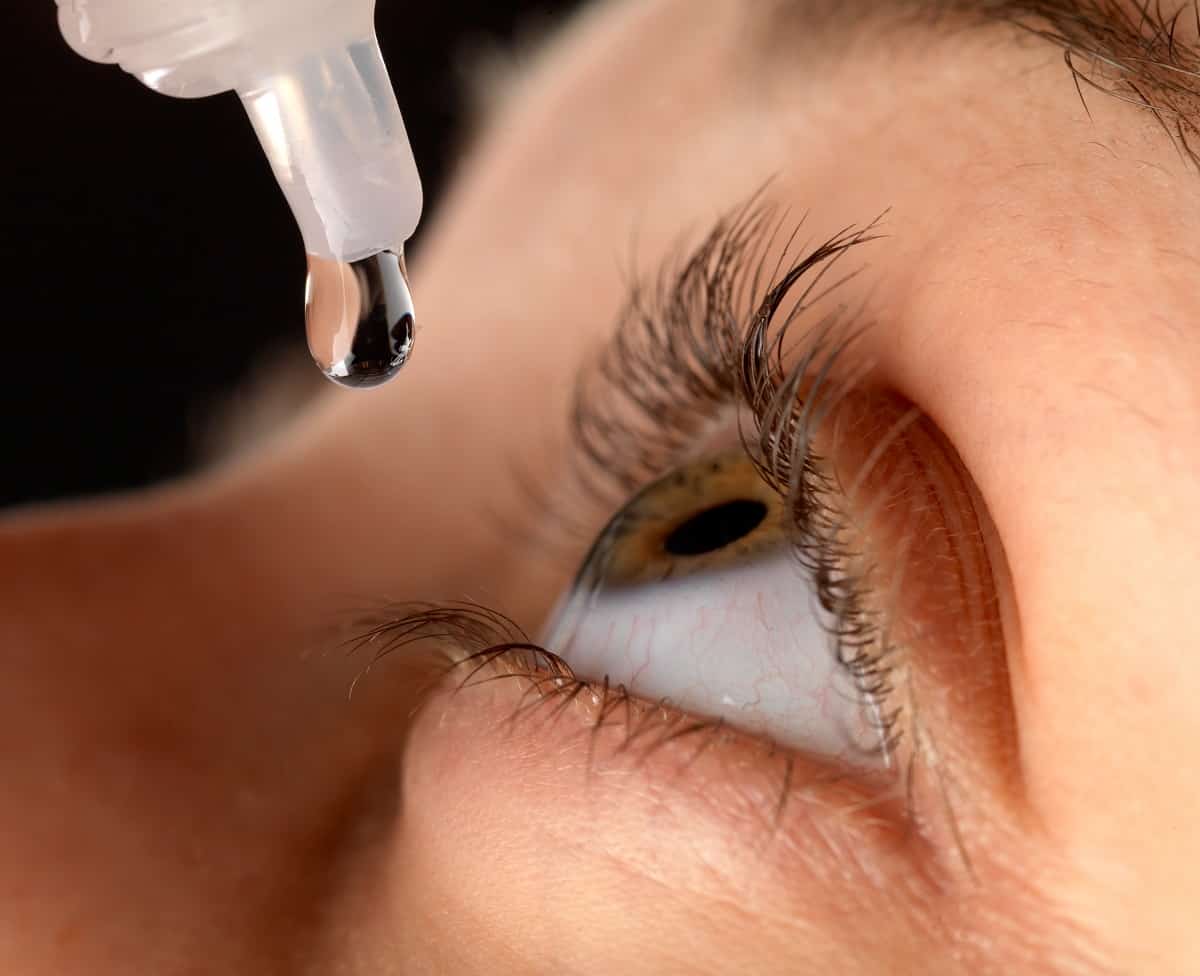
Glaucoma eye drops help control eye pressure, but preservatives in some formulations may cause irritation, dryness, or discomfort. Preservative-free alternatives may be suitable for people with sensitive eyes or those requiring long-term treatment. An eye specialist can assess whether switching is appropriate without compromising glaucoma management.
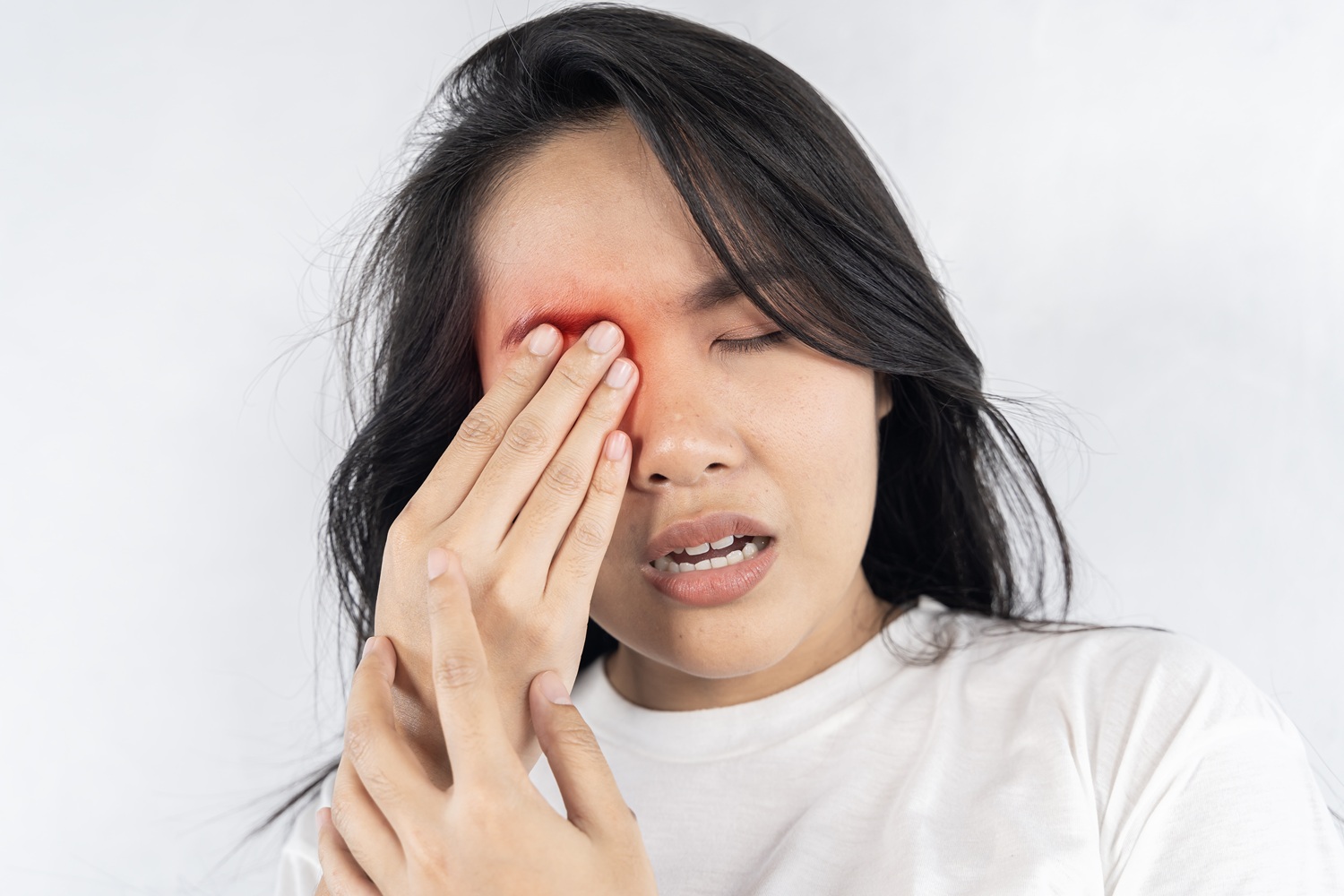
A chemical splash in your eye, would you know what to do in the first few minutes? When a chemical enters the eye, waiting until you reach a trauma centre to start first aid can allow the substance to remain in contact with the eye for longer.

Heavy eyelids do not always mean you simply need more sleep. Tired eyes and dryness can play a role, but persistent heaviness or a noticeable change in eyelid position may have other causes that are worth assessing.
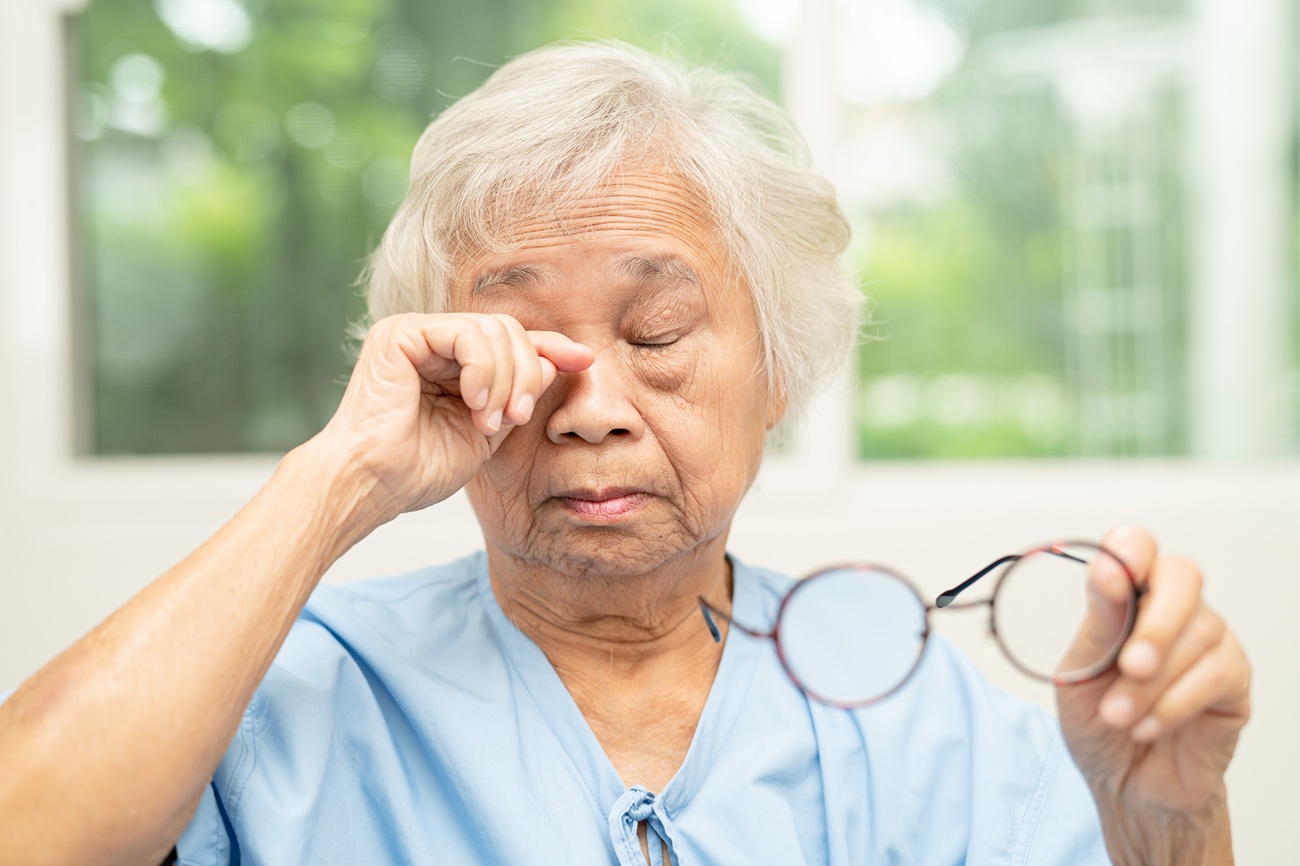
As we get older, the natural lens inside the eye gradually becomes less flexible, making it harder to focus on nearby objects. While glasses can help, lens-based presbyopia treatment looks at a different approach, changing the lens inside the eye itself.

Many people assume it's simply about getting rid of glasses, but the first step is actually finding out whether your eyes are suitable for the procedure. A detailed eye assessment helps determine if LASIK is the right option for your vision and lifestyle.
Many people assume it's simply about getting rid of glasses, but the first step is actually finding out whether your eyes are suitable for the procedure. A detailed eye assessment helps determine if LASIK is the right option for your vision and lifestyle.
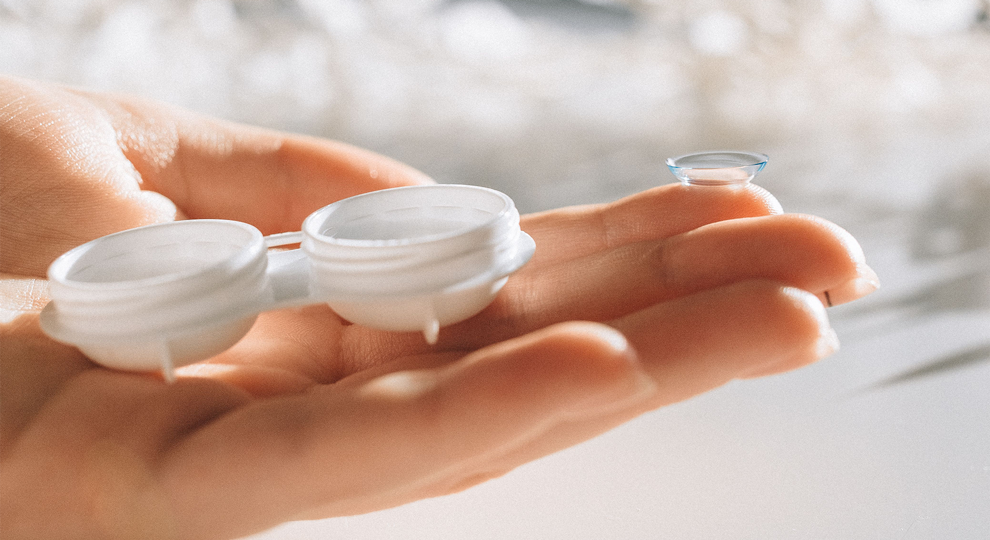
Many people think wearing contact lenses is completely risk-free, but simple habits like sleeping in your lenses, using old lens solution, or poor lens hygiene can increase the risk of a corneal ulcer. Knowing the warning signs, such as persistent redness, eye pain, blurred vision, or light sensitivity, can help you seek timely care and protect your vision.
A cataract can sometimes make it harder to detect certain retinal conditions during an eye examination. Once the cloudy lens is removed, existing retinal issues may become easier to identify, allowing timely assessment and appropriate care if needed. Understanding the connection between cataracts and retinal health can help you know what to expect before and after surgery.

Many people assume a foreign object in the eye will simply wash out on its own. However, if a particle remains trapped, it can cause ongoing irritation, corneal scratches, infection, or even scarring that may affect vision over time. Persistent redness, tearing, discomfort, or the feeling that something is stuck in your eye should never be ignored. Early assessment and treatment can help prevent complications and protect your eye health.