
Itchy Eyes
Itchy eyes are the frequent, sometimes irresistible urge to rub or scratch the eyes, usually because the surface or eyelids have become irritated or inflamed.
Book a Consultation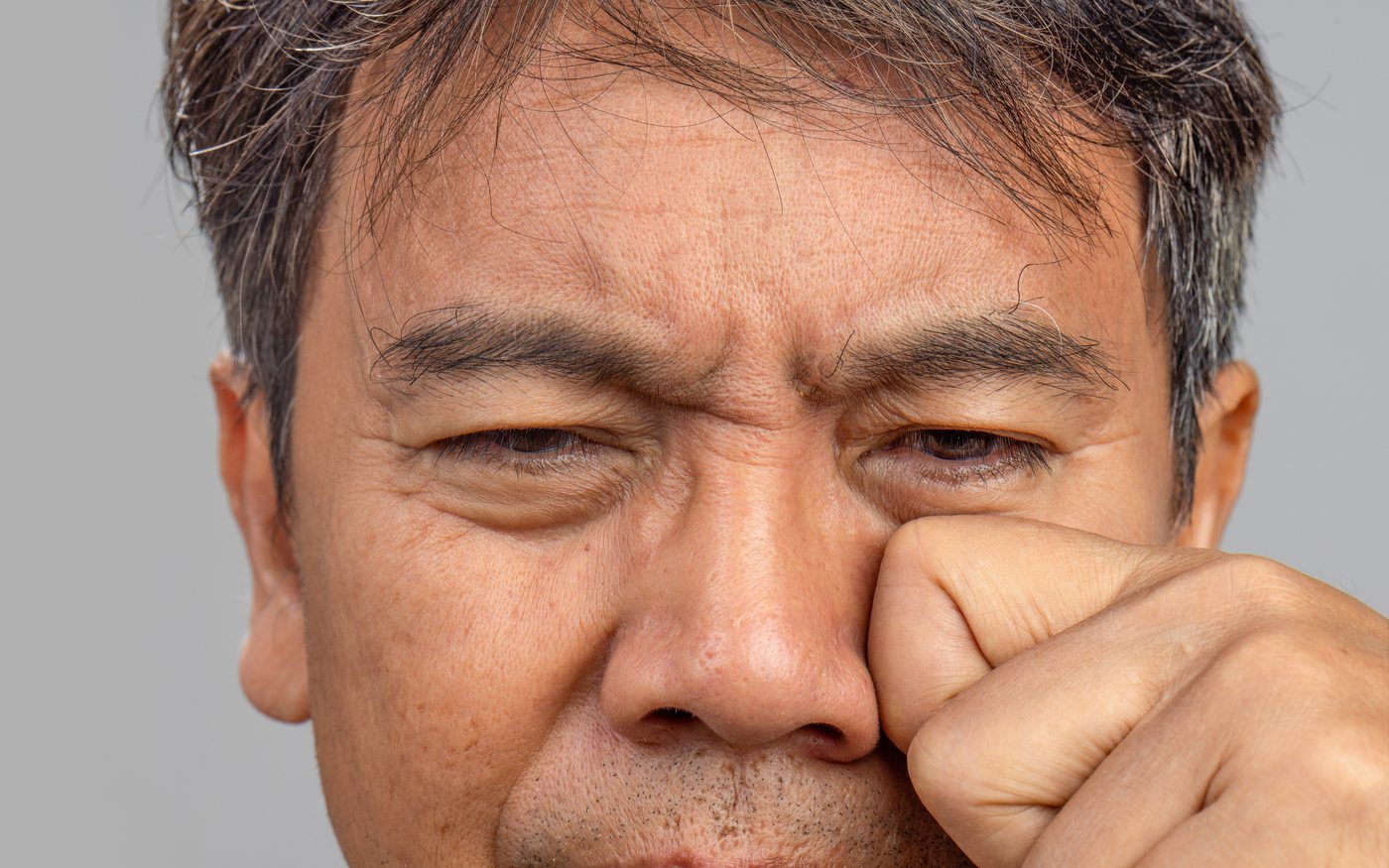
Overview
Itching is one of the most common eye complaints and, in Singapore’s warm, humid climate with year-round pollen, dust and haze, it is often linked to allergy. The itch is the eye’s response to irritation of the delicate surface (the conjunctiva) or the eyelid margins.
Most itchy eyes are harmless and settle with simple measures, but persistent or severe itching can affect sleep, concentration and comfort. Rubbing may feel good briefly, yet it tends to worsen inflammation and, in some people, can damage the cornea over time, and frequent rubbing is linked with keratoconus in susceptible people. Identifying the trigger is the key to lasting relief.
The pattern gives useful clues: whether both eyes are affected, whether the itch is seasonal or constant, and whether it comes with watering, redness or discharge.
What it feels like
Itchy eyes may involve:
- A tickling or scratchy sensation on the surface or under the lids
- A strong urge to rub, which often brings only brief relief
- Watering, redness or a burning feeling alongside the itch
- Puffy or swollen eyelids
- A gritty sensation, as if grains of sand are in the eye
- Stringy or watery discharge, especially with allergy
Itching is usually worse in the evening, after exposure to dust or pets, or when the eyes are tired.
Common causes
Most causes of itchy eyes are minor and treatable:
- Allergic conjunctivitis: the most common cause; pollen, dust mites, pet dander or haze trigger itching, redness and watering in both eyes.
- Dry eye syndrome: an unstable tear film leaves the surface irritated and itchy.
- Blepharitis: inflammation of the eyelid margins causing itching, crusting and grittiness.
- Contact lens irritation: overwear, deposits or lens solutions can provoke itching.
- Vernal keratoconjunctivitis: a more intense, recurrent allergic condition, more common in children and young people.
- Reaction to cosmetics, drops or medications: an irritant or allergic response around the eyes.
Allergy eyes: eye drops and treatment options
Allergic itchy eyes usually affect both eyes, often with watering, redness, puffy lids and sometimes a runny nose and sneezing. In Singapore, dust mites, pollen, pet dander and haze are common triggers.
- Anti-allergy eye drops (antihistamine or mast-cell-stabiliser drops) are the usual treatment. Some are available from pharmacies; your doctor can advise which suits you.
- Lubricating drops, kept in the fridge if you like, can rinse allergens from the surface and feel soothing.
- Avoid regular use of "anti-redness" whitening drops; they do not treat allergy and redness can rebound when you stop.
- Steroid eye drops should only be used when prescribed and monitored by a doctor, as they can raise eye pressure, contribute to cataract and worsen some infections.
- Itchy, swollen eyelids with a rash may be a reaction to cosmetics, skincare or eye drops; stopping the likely product often helps.
Children and young people with severe, recurring itching, especially with stringy discharge, should be checked for vernal keratoconjunctivitis, which needs specialist care.
Red-flag signs: when to seek urgent care
Most itchy eyes improve with simple measures. See an eye specialist if the itching is persistent, recurrent, severe, or not settling with over-the-counter remedies.
Seek prompt, same-day care if itching comes with any of these warning signs:
- Eye pain or marked redness
- Reduced or blurred vision
- Marked light sensitivity
- Significant swelling of the eyelids or face
- A sticky, coloured discharge suggesting infection
- Symptoms in a contact lens wearer with pain or blurring (risk of corneal infection)
These features suggest something more than simple surface irritation and deserve assessment.
Call +65 6908 7533 now if you have any of these signs. 24-hour emergency eye care is available. If you cannot reach us quickly, or there are stroke signs, go to the nearest A&E or call 995.
What you can do at home vs when to see a doctor
Itchy eye relief at home:
- Try not to rub. A cool, clean compress over closed eyes for a few minutes can ease the itch.
- Rinse with lubricating drops, and wash your face and eyelids after being outdoors or around pets.
- Reduce dust mites by washing bedding in hot water and keeping bedrooms dust-free; keep windows closed on hazy days.
- Take a break from contact lenses and eye make-up until the itch settles.
See a doctor if itching keeps returning, is severe, affects a child, or does not settle after about a week of simple measures.
Seek urgent care if itching comes with eye pain, reduced vision, light sensitivity, marked swelling, coloured discharge, or pain in a contact lens wearer. Call +65 6908 7533 (24-hour emergency eye care available).
How itchy eyes are assessed at our clinic
The cause is usually found on examination without the need for invasive tests:
- History: timing, triggers, allergies, contact lens use and cosmetics
- Visual acuity testing: checking your sight
- Slit-lamp examination: a magnified view of the surface, tear film and eyelid margins
- Tear film assessment: checking for dryness contributing to the itch
- Eyelid examination: looking for blepharitis or lash problems
- Allergy history: occasionally, referral for allergy testing if triggers are unclear
At our Novena clinic, Dr James Ng examines the conjunctiva, eyelid margins and tear film to tell allergy apart from dry eye, blepharitis or infection, as these need different treatments.
Treatment options
Treatment depends on the underlying cause and often combines avoidance of triggers with targeted therapy:
- Antihistamine or mast-cell-stabiliser drops for allergic itching
- Cool compresses to soothe inflamed, itchy lids
- Lubricating drops to calm a dry, irritated surface
- Warm compresses and lid hygiene for blepharitis
- Reducing exposure to dust, pollen, pets or haze where possible
- Reviewing contact lens wear and hygiene, or switching lens type
- A short course of anti-inflammatory drops for stubborn allergic cases, under specialist supervision
Above all, try not to rub, it feels tempting but worsens the itch and inflammation.
Frequently asked questions
Why are my eyes so itchy at night? Itching often peaks in the evening as allergens accumulate through the day and tiredness makes the eyes more sensitive. A cool compress and anti-allergy drops can help.
Is it bad to rub itchy eyes? Yes. Rubbing gives brief relief but releases more inflammatory chemicals, worsening the itch, and vigorous rubbing can harm the cornea over time.
Can dry eyes cause itching? They can. A dry, unstable tear film irritates the surface and may itch as well as sting or feel gritty. Lubricating drops often help.
Are itchy eyes contagious? Allergic itching is not contagious. However, some infections that cause itching, such as viral conjunctivitis, can spread, so wash your hands and avoid sharing towels if there is redness or discharge.
What eye drops are good for itchy eyes? For allergy, antihistamine or mast-cell-stabiliser drops are usually used, and lubricating drops can soothe the surface. Steroid drops should only be used under a doctor’s supervision.
More questions patients ask
How can I tell if itchy eyes are allergy or an infection? Allergic conjunctivitis is usually very itchy, affects both eyes, produces watery or stringy discharge and often comes with sneezing, a runny nose or eczema, and it is not contagious. Infective conjunctivitis is less itchy, often starts in one eye, may follow a cold, causes thicker or sticky discharge and can spread to others. The features can overlap, so persistent or painful symptoms should be examined.
What is vernal keratoconjunctivitis (VKC)? Vernal keratoconjunctivitis (VKC) is a more severe, long-lasting allergic eye inflammation that typically affects boys aged 5 to 15 and is seen more often in warm climates such as Singapore. It causes intense itching, stringy discharge and light sensitivity, and can lead to a shield ulcer on the cornea. Many children outgrow VKC around or after puberty, but regular specialist reviews help protect the cornea.
Can itchy eyelids from blepharitis be cured? Blepharitis, a common cause of itchy, crusty eyelid margins, is a chronic condition that is managed rather than cured. Daily warm compresses, gentle lid massage and cleaning along the lash line are the foundation of treatment, with medicated drops or ointments for flare-ups. Keep up eyelid hygiene even when symptoms improve, as blepharitis tends to return if care lapses.
How long do allergic itchy eyes last? Allergic conjunctivitis symptoms tend to persist for as long as you remain exposed to the trigger, such as dust mites, pollen, pet dander or haze. Once the trigger is removed or well managed, symptoms often improve, though they may return with the next exposure. Itchy eyes that keep coming back, or do not settle after about a week of simple measures, are worth having assessed.
Key takeaways
- Itchy eyes are most often caused by allergy, dryness or eyelid inflammation.
- Rubbing worsens the itch and can damage the eye, resist the urge.
- Itching with pain, reduced vision or heavy discharge needs prompt assessment.
- Contact lens wearers with itching and pain should be seen urgently.
- Most cases respond well once the trigger is identified and treated.
Struggling with itchy eyes? Book an assessment with Dr James Ng to find the trigger and the right treatment.