
Eye Discharge
Eye discharge is any fluid, watery, mucous, sticky or crusty, that leaks from the eye or gathers at the corners and lashes, usually a sign of irritation, infection or allergy.
Book a Consultation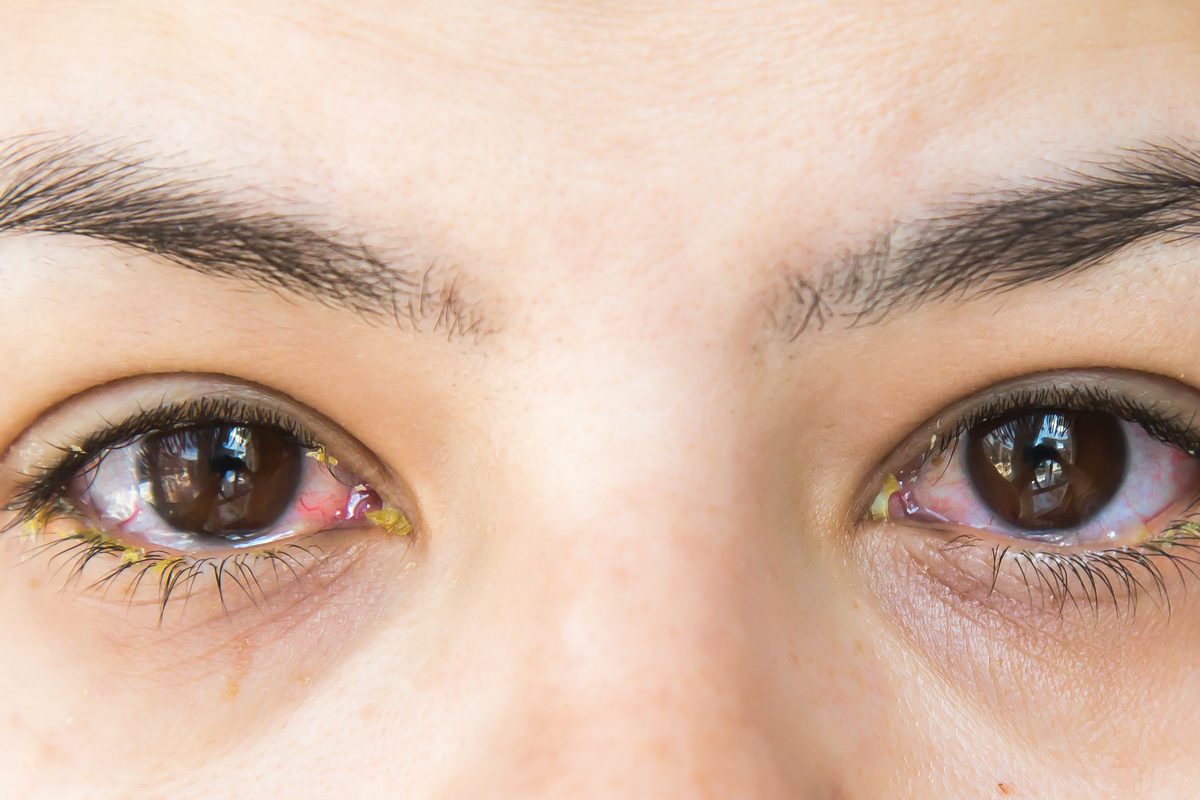
Overview
A small amount of discharge is normal, especially on waking, when a little dried mucus (often called “sleep”) collects in the corners of the eyes. Discharge becomes a concern when it is excessive, changes colour, or comes with redness, discomfort or blurred vision.
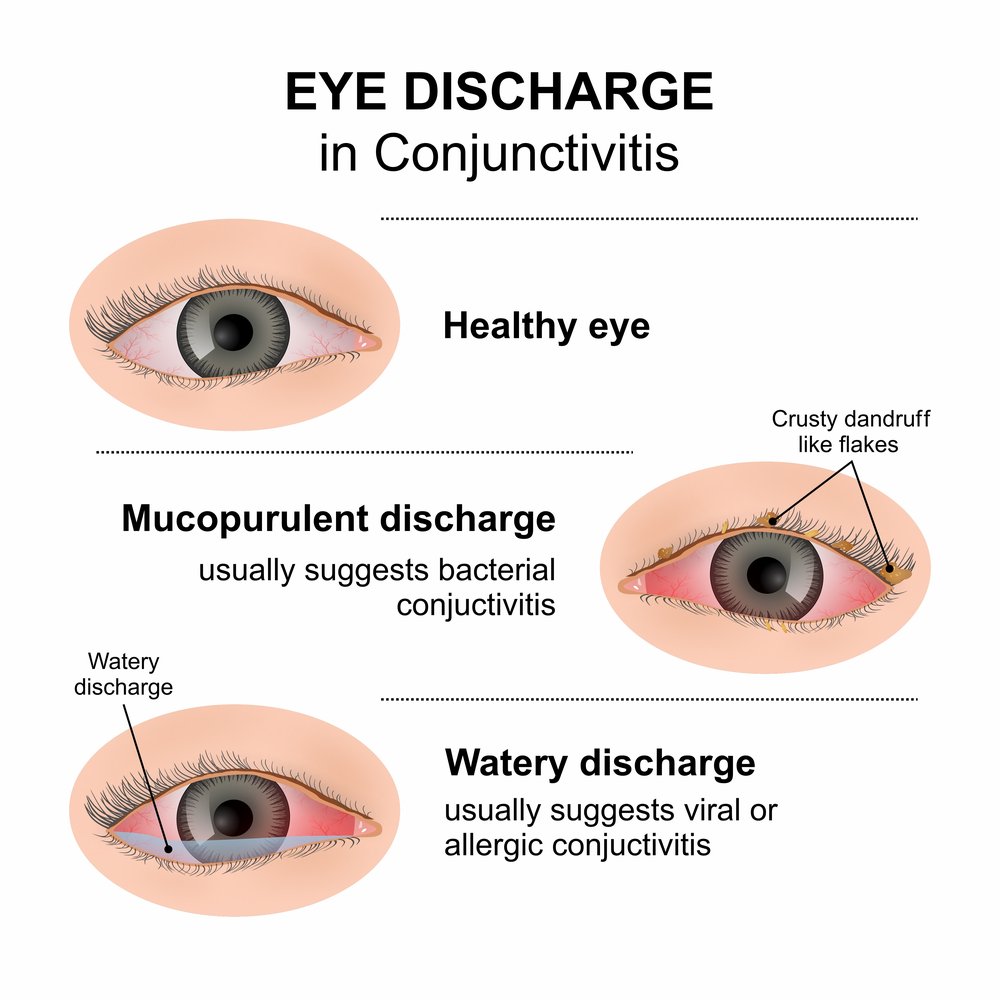
The type of discharge is a useful clue to the cause. Watery discharge often points to a viral infection or allergy; thick, yellow or green discharge suggests a bacterial infection; and stringy, white mucus is common with allergy or dry eye. In babies, sticky, watery eyes are frequently due to a blocked tear duct.
Most causes of eye discharge are minor and clear up quickly, but some infections are contagious, and a few need prompt treatment to protect the eye.
What it feels like
Eye discharge may be accompanied by:
- Sticky, crusty lids and lashes, especially in the morning
- Eyelids that feel glued shut on waking
- Watery, mucous or thick coloured fluid from the eye
- Redness, grittiness or a burning sensation
- A feeling of something in the eye
- Blurred vision that clears when you wipe or blink
Discharge may affect one or both eyes and can vary from a slight crusting to a constant, sticky flow.
Common causes
Most causes of eye discharge are minor and treatable:
- Bacterial conjunctivitis: thick, yellow or green discharge with sticky, crusted lids.
- Viral conjunctivitis: watery discharge with redness; often follows a cold and is very contagious.
- Allergic conjunctivitis: stringy, white mucus with itching and watering in both eyes.
- Blocked tear duct: a common cause of a persistently watery, sticky eye, especially in babies.
- Blepharitis: inflammation of the lid margins causing crusting and mild discharge.
- Dry eye syndrome: a stringy mucous discharge from an unstable tear film.
- Corneal ulcer or infection: discharge with pain, redness and blurring; a more serious cause needing urgent care.
- Stye or chalazion: a lid lump that may weep or crust.
Eye mucus, crusty eyes and yellow discharge: what the type suggests
The look of the discharge is a clue, not a diagnosis. Use it as a guide, and have the eye examined if you are unsure.
| What you notice | Often linked to | Usual next step |
|---|---|---|
| A little dry crust in the corners on waking ("sleep") | Normal overnight build-up of mucus | Wipe away with a clean, damp cloth |
| Watery discharge, red eye, recent cold | Viral conjunctivitis | Hygiene and supportive care; see a doctor if not settling or painful |
| Thick yellow or green discharge, lids stuck together | Bacterial conjunctivitis | See a doctor; antibiotic drops may be needed |
| Stringy white mucus with itching in both eyes | Allergy or dry eye | Avoid triggers, cool compress; see a doctor if persistent |
| Crusting along the lash line most mornings | Blepharitis | Daily warm compress and lid cleaning; book an assessment if ongoing |
| Discharge with pain, blurred vision or light sensitivity, especially in a contact lens wearer | Possible corneal infection or ulcer | Urgent, same-day care |
Red-flag signs: when to seek urgent care
Mild, short-lived discharge often settles on its own or with simple hygiene. See an eye specialist if discharge is heavy, coloured, persistent, or not improving after a few days.
Seek urgent, same-day care if discharge comes with any of these red flags:
- Moderate to severe eye pain
- Reduced or blurred vision
- Marked light sensitivity
- Thick, profuse discharge that returns quickly after cleaning
- Symptoms in a contact lens wearer with pain or blurring (risk of corneal infection)
- Discharge after an eye injury or chemical splash
- In a newborn, marked redness and heavy discharge in the first weeks of life
These features can point to a corneal infection or another serious cause.
Call +65 6908 7533 now if you have any of these signs. 24-hour emergency eye care is available. If you cannot reach us quickly, or there are stroke signs, go to the nearest A&E or call 995.
What you can do at home vs when to see a doctor
For mild discharge without red-flag signs:
- Clean the lids gently with cotton pads or a clean cloth moistened with cooled boiled water, wiping from the inner corner outwards and using a fresh pad for each eye.
- Wash your hands before and after touching your eyes, and do not share towels, pillowcases or make-up.
- Stop wearing contact lenses until your eyes are clear, and replace the lens case.
- Do not use leftover eye drops, someone else's drops, or steroid drops that were not prescribed for this episode.
See a doctor if the discharge is thick, yellow or green, is not improving after two to three days, keeps coming back, or affects a newborn or young child.
Seek urgent care if there is moderate or severe pain, reduced vision, marked light sensitivity, heavy discharge that returns quickly, discharge in a contact lens wearer with pain, or after an injury or chemical splash. Call +65 6908 7533 (24-hour emergency eye care available).
How eye discharge is assessed at our clinic
The cause is usually found on examination:
- History: type and colour of discharge, contact lens use, allergy and recent illness
- Visual acuity testing: checking your sight
- Slit-lamp examination: a magnified view of the surface, lids and cornea
- Fluorescein staining: dye to reveal scratches, ulcers or dryness
- Swabs: occasionally taken to identify the organism in stubborn or severe infections
- Tear duct assessment: to check drainage, particularly in persistent watery, sticky eyes
At our Novena clinic, Dr James Ng examines the lids, conjunctiva and cornea under the slit lamp. Telling a simple conjunctivitis apart from a corneal infection matters, because the treatment and urgency are very different.
Treatment options
Treatment depends on the underlying cause:
- Warm compresses and gentle lid cleaning: to loosen crusts and soothe the lids
- Antibiotic drops or ointment: for bacterial conjunctivitis
- Supportive care: for viral conjunctivitis, which usually clears on its own; good hygiene limits its spread
- Antihistamine or anti-allergy drops: for allergic discharge
- Lubricating drops: for dry eye
- Tear duct massage or a procedure: for a blocked tear duct, especially in infants
- Urgent treatment: for a corneal ulcer or infection, under specialist care
To limit contagious infections, wash your hands often, avoid sharing towels, and do not wear contact lenses until cleared.
Frequently asked questions
Is eye discharge contagious? It can be. Viral and bacterial conjunctivitis spread easily through hand contact and shared items. Allergic and dry-eye discharge are not contagious.
Why are my eyes glued shut in the morning? Discharge dries on the lashes overnight, sticking the lids together. This is common with conjunctivitis and blepharitis. A warm, damp cloth gently loosens the crusts.
What does the colour of discharge mean? Thick yellow or green discharge suggests bacterial infection, watery discharge suggests a virus or allergy, and stringy white mucus is typical of allergy or dry eye. An examination confirms the cause.
My baby has a sticky, watery eye, is it serious? This is often a blocked tear duct, which is common and usually resolves on its own, sometimes with gentle massage. Heavy discharge with marked redness should be checked promptly.
More questions patients ask
How long is conjunctivitis contagious? Viral conjunctivitis can remain contagious for as long as the eye is red and watery, which may be one to two weeks. Viral and bacterial conjunctivitis spread through contact with eye discharge, usually via hands, towels and pillowcases, while allergic conjunctivitis is not contagious. Stay home from work or school while a contagious infection is active, where advised, and follow your school or workplace’s advice on when to return.
Do I need antibiotic eye drops for yellow eye discharge? Not always. Antibiotic eye drops or ointment help only when conjunctivitis is bacterial, which typically causes thick yellow or green discharge, and even then mild cases often clear on their own. Antibiotics do not treat viral or allergic conjunctivitis. See an eye specialist rather than self-treating if you wear contact lenses, have pain or blurred vision, or symptoms are not improving after a few days.
When should a baby’s blocked tear duct be checked by an eye specialist? Most blocked tear ducts in babies improve on their own by age 6 to 12 months. An eye specialist’s review is advised if tearing persists beyond 12 months, the discharge becomes thick or frequent, the eye becomes red, swollen or tender, your child has frequent eye infections, or there is concern about eyelid position or lash irritation. Marked redness with heavy discharge in a newborn needs prompt care.
Can contact lenses cause eye discharge? Discharge in a contact lens wearer needs care, because lens wear increases the risk of keratitis, an infection of the cornea. Discharge with pain, blurred vision or light sensitivity in a lens wearer needs urgent, same-day assessment. Risk factors include wearing lenses overnight or beyond the recommended time, poor lens hygiene, using tap water, and swimming or showering in lenses. Stop wearing lenses until your eyes are clear.
Key takeaways
- Eye discharge is most often caused by conjunctivitis, blocked tear ducts, blepharitis or allergy.
- The colour and type of discharge help point to the cause.
- Many infections are contagious, wash hands and avoid sharing towels.
- Discharge with pain, reduced vision or light sensitivity needs urgent assessment.
- Contact lens wearers with discharge and pain should be seen urgently.
Concerned about eye discharge? Book an assessment with Dr James Ng for the right diagnosis and treatment.