
Swollen Eyelid
A swollen eyelid is puffiness or enlargement of the upper or lower lid, caused by fluid build-up or inflammation in the delicate tissues around the eye.
Book a Consultation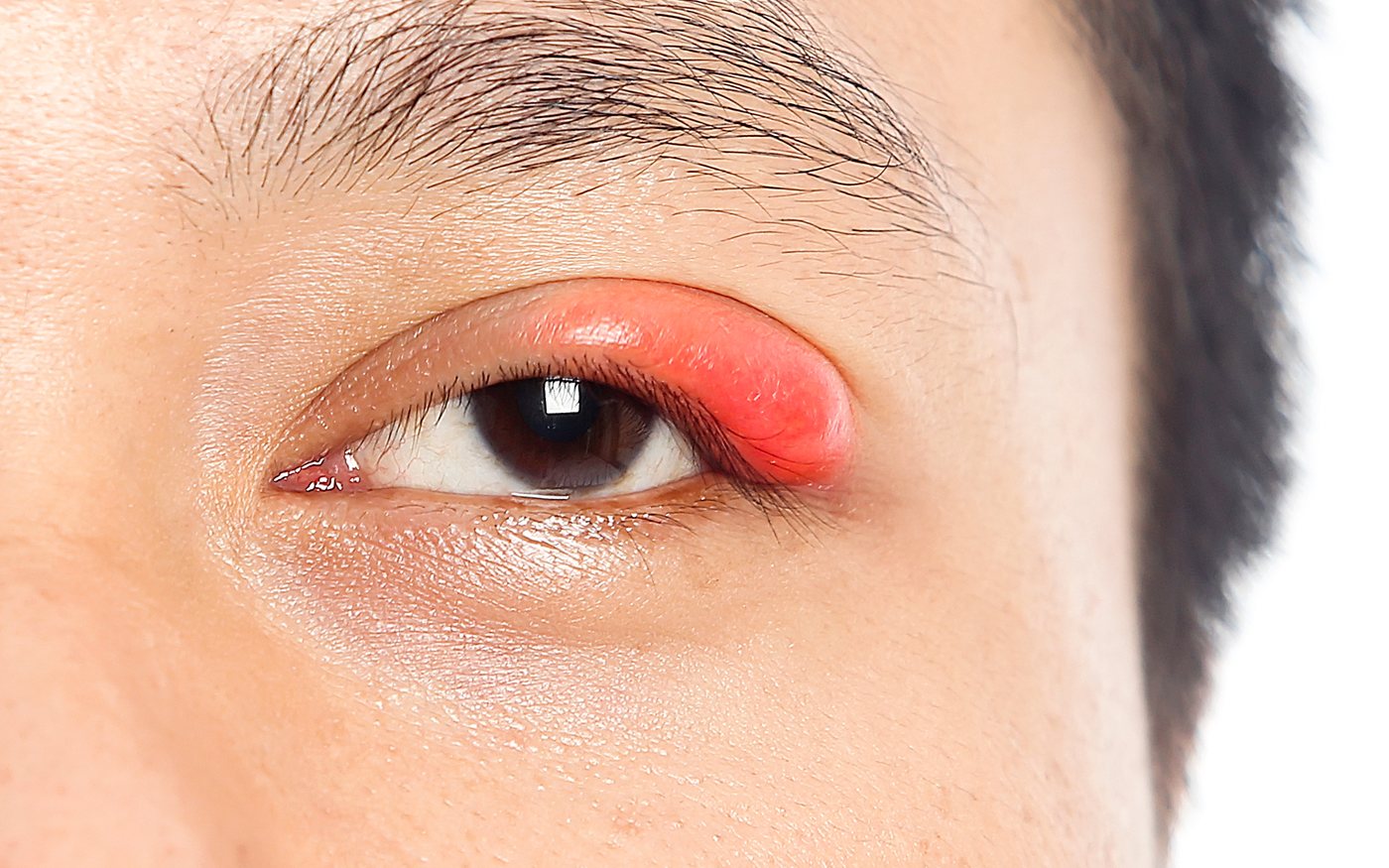
Overview
The eyelids have very thin, loose skin, which means they swell easily in response to irritation, infection or allergy. A swollen eyelid is a common complaint and is usually harmless, often settling within a few days with simple care.
Swelling can affect one or both eyes and may involve just part of the lid or the whole area. It can be tender or painless, red or pale, and may come with itching, watering or a lump. These features help point to the cause.
While most swollen eyelids are minor, a small number signal a deeper infection that needs urgent treatment. Knowing the warning signs is the key to getting the right care at the right time.
What it feels like
A swollen eyelid may involve:
- Puffiness, heaviness or tightness of the lid
- A tender lump or localised bump on the lid
- Redness and warmth over the swollen area
- Itching, watering or a gritty feeling
- Difficulty fully opening the eye if swelling is marked
- Crusting along the lash line
Swelling may be worse on waking and may ease through the day, or steadily worsen if there is infection.
Common causes
Most causes of a swollen eyelid are minor and treatable:
- Stye (hordeolum): a tender, red lump from a blocked, infected lash gland.
- Chalazion: a firmer, usually painless lump from a blocked oil gland in the lid.
- Blepharitis: inflammation of the eyelid margins causing puffiness, crusting and irritation.
- Allergic reaction: puffy, itchy, watery lids from allergens, cosmetics or eye drops.
- Conjunctivitis: infection or allergy causing lid swelling with redness and discharge.
- Insect bites or minor trauma: localised swelling that settles on its own.
A more serious cause to be aware of is:
- Orbital cellulitis: a deep infection of the tissues behind the eye. This is an emergency, causing marked swelling, pain, fever, bulging of the eye or restricted eye movement, and needs immediate hospital care.
Cold compress or warm compress for a swollen eyelid?
| Cold compress | Warm compress | |
|---|---|---|
| Useful for | Puffy, itchy swelling from allergy; insect bites; swelling after a minor knock | A tender lump from a stye; a firm lump from a chalazion; crusty, blocked lid glands (blepharitis) |
| How it helps | Narrows blood vessels to reduce swelling and itch | Softens blocked oil so the gland can drain |
| How to use | Wrap a cold pack or ice in a clean cloth (never ice directly on skin). Hold on the closed lid for about 10 minutes, several times a day | Use a clean cloth soaked in warm (not hot) water, or a heated eye mask. Hold on the closed lid for 5–10 minutes, 3–4 times a day |
| Avoid | Pressing on the eyeball | Water hot enough to burn the thin eyelid skin |
Use a clean cloth each time. If swelling is getting worse despite compresses, or any red-flag sign appears, stop and seek care.
Red-flag signs: when to seek urgent care
Most swollen eyelids settle within a few days with warm compresses and simple care. See an eye specialist if the swelling is persistent, recurrent, or a lump is not clearing.
Seek urgent, same-day care, or attend an emergency department, if swelling comes with any of these red flags:
- Severe pain, especially with eye movement
- Fever or feeling generally unwell
- Bulging of the eye or the eye being pushed forward
- Reduced or double vision, or difficulty moving the eye
- Rapidly spreading redness and swelling across the lid and cheek
- Swelling after a significant eye injury or chemical splash
These features can indicate orbital cellulitis or another serious problem needing immediate treatment.
Call +65 6908 7533 now if you have any of these signs. 24-hour emergency eye care is available. If you cannot reach us quickly, or there are stroke signs, go to the nearest A&E or call 995.
What you can do at home vs when to see a doctor
Swollen eyelid remedies at home for mild swelling with no red-flag signs:
- Use the right compress (see the table above).
- Keep the lid margins clean; remove eye make-up and stop wearing contact lenses until the swelling settles.
- Do not squeeze or pop a lump.
- If allergy is likely, stop any new cosmetic, skincare product or eye drop; non-drowsy antihistamine tablets from a pharmacy may help allergic swelling (check with the pharmacist if you take other medicines).
- Sleeping with your head slightly raised can reduce morning puffiness.
About eye drops and medicines: there is no eye drop that shrinks a stye or chalazion. Antibiotics are used only when there is a bacterial infection, and steroid drops should only be used when prescribed by a doctor.
See a doctor if swelling has not improved after about a week, a lump persists for several weeks, keeps coming back, or affects a young child. A lump that keeps recurring in the same place, or bleeds, should always be checked.
Seek urgent care for severe pain, fever, a bulging eye, double vision, reduced vision, rapidly spreading redness, or swelling after an injury. Call +65 6908 7533 (24-hour emergency eye care available).
How a swollen eyelid is assessed at our clinic
The cause is usually clear on examination:
- History: how it started, pain, lumps, allergies, injury and fever
- Visual acuity testing: checking your sight
- Examination of the eyelids: assessing lumps, lid margins and lash glands
- Slit-lamp examination: a magnified view of the lids, surface and front of the eye
- Assessment of eye movements and position: important if a deeper infection is suspected
- Imaging (CT scan): occasionally needed if orbital cellulitis is a concern
At our Novena clinic, Dr James Ng examines the eyelids and the eye itself, checks eye movements and vision, and advises whether simple care is enough or whether a lump needs drainage or further investigation.
Treatment options
Treatment depends on the underlying cause:
- Warm compresses several times a day, the mainstay for styes and chalazia
- Lid hygiene: gentle cleaning of the lash line for blepharitis and styes
- Antihistamine treatment and cool compresses: for allergic swelling
- Antibiotic drops or ointment: for bacterial infection
- A minor procedure: to drain a persistent chalazion that does not settle
- Urgent intravenous antibiotics in hospital: for orbital cellulitis
Avoid squeezing or popping any lump, as this can worsen infection.
Frequently asked questions
Why is my eyelid swollen when I wake up? Fluid can pool in the loose eyelid skin overnight, especially with allergy, blepharitis or salt intake, causing morning puffiness that often eases through the day.
How long does a swollen eyelid last? A stye or allergic swelling often settles within a few days to a week. A chalazion may take longer. Swelling that persists or worsens should be checked.
Should I put a warm or cold compress on a swollen eyelid? Warm compresses help styes and chalazia by unblocking glands. Cool compresses soothe allergic, itchy or bite-related swelling and swelling after a minor knock. If there is a lump, a warm compress is a reasonable first step.
When is a swollen eyelid an emergency? Swelling with severe pain, fever, a bulging eye, double vision or difficulty moving the eye can indicate orbital cellulitis and needs immediate care.
More questions patients ask
How is a chalazion removed? A chalazion that has not settled after several weeks of warm compresses, or is large or affecting vision, can be removed with a minor procedure called incision and curettage. The eyelid is numbed with a local anaesthetic injection and the lump is usually drained from the inside of the lid, so there is typically no visible scar. The procedure takes a few minutes, followed by antibiotic ointment for a few days.
Can thyroid problems cause swollen eyelids? Yes. Thyroid eye disease, an autoimmune condition most often linked to an overactive thyroid (Graves’ disease), can cause swelling and puffiness of the eyelids along with red, gritty eyes, bulging eyes or double vision. It can also occur with normal or underactive thyroid function. See an eye specialist if you notice these signs, especially with a thyroid condition; care is usually shared with an endocrinologist.
Is a swollen eyelid in a child serious? Most eyelid swelling in children comes from styes, chalazia or allergy, and chalazia are common in children with blepharitis. However, if the whole eyelid becomes red and swollen, the child has a fever, vision changes or it hurts to move the eye, the child needs same-day review. Eyelid swelling in a young child that is not settling should also be checked by an eye specialist.
Why does my eyelid keep swelling up? Recurring eyelid swelling, styes or chalazia often point to an underlying problem such as chronic blepharitis, meibomian gland dysfunction or rosacea. Blepharitis is managed rather than cured, and regular eyelid hygiene with warm compresses, lid massage and cleaning along the lash line helps prevent recurrence. A lump that keeps returning in the same place, or bleeds, should always be checked by an eye specialist.
Key takeaways
- Most swollen eyelids are caused by styes, chalazia, blepharitis or allergy, and settle with simple care.
- Warm compresses help lumps; cool compresses soothe allergic swelling.
- Do not squeeze or pop a lump, as this can worsen infection.
- Swelling with severe pain, fever, a bulging eye or double vision is an emergency.
- See a specialist for persistent, recurrent or worsening swelling.
Worried about a swollen eyelid? Book an assessment with Dr James Ng for the right diagnosis and care.