
Pterygium (Surfer's Eye)
A pterygium is a fleshy, wing-shaped growth of tissue that develops on the white of the eye and can extend onto the cornea.
Book a Consultation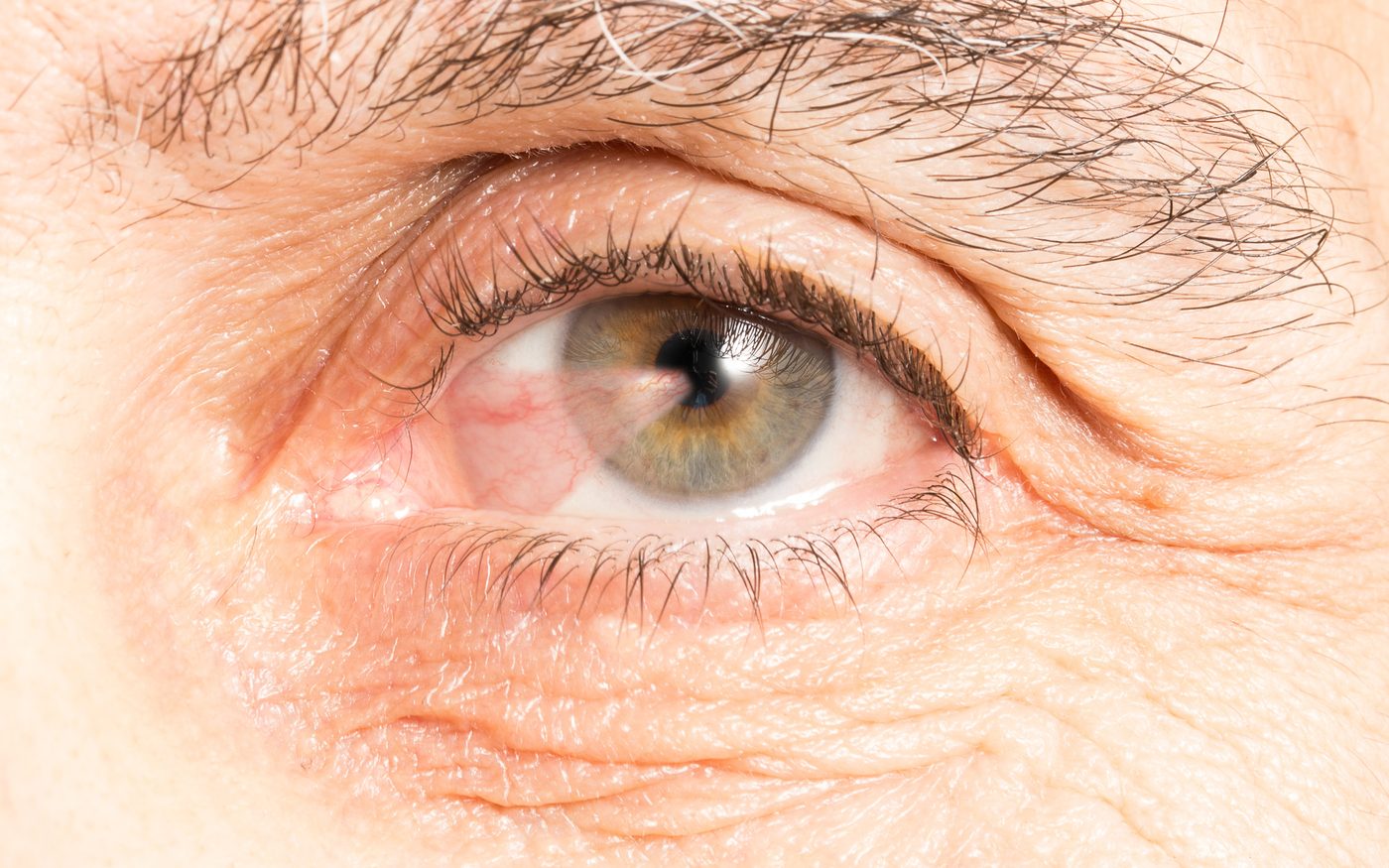
Overview
A pterygium (sometimes nicknamed “surfer’s eye”) is a benign, non-cancerous growth of the conjunctiva, the thin membrane over the white of the eye. It typically appears on the side nearest the nose and can slowly extend toward, and eventually onto, the cornea, the clear front window of the eye.
Pterygium is common in sunny, tropical climates such as Singapore, where sunlight, wind and dust are frequent. Most pterygia grow slowly and cause only cosmetic concern or mild irritation, but larger ones can distort vision or encroach on the pupil, at which point treatment becomes more pressing. It should not be confused with a pinguecula, a related but smaller yellowish bump that does not grow onto the cornea.
Symptoms
Many pterygia cause few problems, but you may notice:
- A visible fleshy or pinkish growth on the white of the eye, usually toward the nose
- Redness and inflammation, which can flare intermittently
- A gritty or foreign-body sensation
- Dryness, itching or burning
- Blurred vision if the growth distorts the cornea or reaches the pupil
- Cosmetic concern about the appearance of the eye
Causes
Pterygium develops when the conjunctival tissue is repeatedly damaged and undergoes abnormal growth. The main driver is thought to be long-term ultraviolet (UV) light exposure, along with chronic irritation. Contributing factors include:
- Prolonged sun exposure over many years
- Dry, dusty or windy environments
- Chronic eye irritation and dryness
The tissue reaction leads to a build-up of abnormal conjunctival cells and small blood vessels, forming the characteristic wing shape.
Risk factors
- Living or working outdoors in sunny climates
- Occupations with heavy sun, wind or dust exposure (e.g. outdoor and construction work)
- Age, more common in adults, though it can appear earlier
- Male sex, in some populations
- A history of dry eye or chronic irritation
- Not wearing sun protection for the eyes
Complications
Although benign, a pterygium can cause ongoing redness and irritation, and repeated inflammation. As it grows across the cornea it can induce astigmatism and blur vision; if it reaches the centre of the cornea it can block the visual axis and significantly affect sight. Large or recurrent pterygia can also restrict eye movement in rare cases. A growth that changes rapidly or looks unusual should always be examined to exclude other conditions.
Diagnosis
A pterygium is usually diagnosed by examination:
- Slit-lamp examination: a microscope to assess the size, shape and extent of the growth and how far it reaches onto the cornea
- Vision and refraction testing: to check for induced astigmatism or blurring
- Photographic documentation: to monitor growth over time
- Corneal topography: occasionally used to map astigmatism caused by the growth
Assessment helps decide whether observation or surgery is the better option.
Treatment
Treatment depends on symptoms and how much the pterygium is affecting the eye:
- Observation: small, quiet pterygia may simply be monitored
- Lubricating drops: artificial tears ease dryness and grittiness; a mild anti-inflammatory drop may settle flare-ups
- Sun protection: sunglasses and a hat reduce irritation and may slow growth
- Pterygium surgery: removal is considered when the growth threatens vision, causes persistent discomfort, grows toward the pupil, or is a significant cosmetic concern
Modern pterygium surgery typically removes the growth and covers the bare area with a graft of the patient’s own conjunctival tissue, which lowers the chance of it coming back. Pterygium can recur after surgery, so protecting the eyes from UV afterward remains important. Because pterygium and dry eye often occur together, managing dryness is a helpful part of care.
When to see a doctor
See an eye specialist if you have a growing spot on the white of your eye, persistent redness or irritation, or blurring of vision. Prompt review is advisable if the growth is enlarging toward the pupil, as earlier surgery is generally simpler and gives better visual results. Any lesion that changes rapidly, bleeds or looks unusual should be assessed to rule out other causes.
Prevention
- Wear UV-blocking sunglasses outdoors, ideally wrap-around
- Use a wide-brimmed hat in strong sunlight
- Use lubricating drops in dry, dusty or air-conditioned settings
- Protect your eyes at work if you are exposed to wind or dust
- Attend follow-up so any growth is picked up early
Can Eye Drops Get Rid of a Pterygium?
No. Lubricating drops and, during flare-ups, a short course of anti-inflammatory drops can ease redness, dryness and grittiness, but drops do not shrink or remove the growth. Avoid using redness-relief drops long term, and use steroid drops only when prescribed, as they need monitoring.
The only way to remove a pterygium is surgery, which is considered when it threatens vision, causes persistent symptoms or is cosmetically troubling.
Pterygium Surgery: What It Involves
Pterygium surgery is a day procedure, usually under local anaesthetic. The growth is removed and the bare area is covered with a small graft of your own conjunctiva (conjunctival autograft), held with tissue glue or fine dissolvable stitches. Covering the area with healthy tissue is the key step that lowers the chance of regrowth.
Afterwards the eye is usually red and gritty for a few weeks while it settles, and you use drops as instructed. Wearing sunglasses outdoors helps protect the result. The cost of surgery is quoted after assessment.
Pterygium or Pinguecula?
| Pterygium | Pinguecula | |
|---|---|---|
| Appearance | Fleshy, wing-shaped, often pinkish | Small, raised, yellowish patch |
| Grows onto the cornea? | Can do | No |
| Can affect vision? | Yes, if it grows across the cornea | Rarely |
| Usual treatment | Lubricants, sun protection; surgery if needed | Lubricants and sun protection |
Both are linked to sunlight, wind and dust, and both can become red and irritated.
Frequently asked questions
Is a pterygium dangerous or cancerous? No. A pterygium is a benign growth. It can, however, affect vision and comfort if it grows large, so monitoring is worthwhile.
Will a pterygium grow back after surgery? It can recur, but using a graft of your own tissue during surgery greatly reduces the risk. Sun protection afterward also helps.
Do I need surgery for every pterygium? No. Many are simply observed and treated with lubricants. Surgery is reserved for growths that threaten vision, cause persistent symptoms, or are cosmetically bothersome.
Can I prevent a pterygium? You can lower your risk by protecting your eyes from UV light and irritation with sunglasses, a hat and lubricating drops.
More questions patients ask
Is pterygium surgery painful? Pterygium surgery is done under local anaesthetic: anaesthetic drops and a gentle injection numb the eye, so you stay awake but should feel little during the procedure, which typically takes around 30 to 45 minutes. The main discomfort comes in the first few days of healing, when the eye can feel gritty, watery or sore, and this is managed with drops.
When can I go back to work after pterygium surgery? Many people return to desk work within a few days of pterygium surgery, depending on comfort and the type of work. Redness at the graft site fades gradually over weeks 2 to 4, and the eye usually looks much quieter by 1 to 3 months. Avoid rubbing the eye, swimming and dusty environments until cleared, and wear sunglasses outdoors.
Is pterygium surgery covered by MediSave? Pterygium surgery may be MediSave-claimable (up to CPF limits) and covered by Integrated Shield Plans when it is medically indicated, for example when the growth affects vision or causes persistent inflammation. Surgery done purely for appearance may not be covered. The cost depends on the size of the growth, recurrence, the number of eyes and the graft technique, so it is quoted after assessment.
Can both eyes be treated for pterygium at the same time? A pterygium can be removed from both eyes, but each eye is usually treated separately so that one eye heals before the other is operated on. Whether one or both eyes are treated is also one of the factors that affects the cost of pterygium surgery, which is quoted after your assessment at the clinic.
Which doctor does pterygium surgery in Singapore? Pterygium surgery is performed by an ophthalmologist (eye surgeon). At London Eye & Retina Specialist Centre in Novena, pterygium excision, with or without fibrin glue, is one of Dr James Ng’s areas of specialisation. He is a triple fellowship-trained Consultant Ophthalmic Surgeon with more than 20 years of eye surgery and recommends the graft technique suited to the size of the growth.
Key takeaways
- A pterygium is a benign, wing-shaped growth on the white of the eye, linked to UV exposure.
- It is common in sunny climates such as Singapore and often causes redness and irritation.
- Large growths can distort vision or reach the pupil, affecting sight.
- Pterygium surgery with a tissue graft removes the growth and lowers recurrence.
- Sun protection is key to both prevention and reducing regrowth after surgery.