
Flashes of Light in Your Vision
Flashes of light, sometimes called photopsia, are brief sparks, streaks or arcs of light that appear in your vision, even when no light is present.
Book a Consultation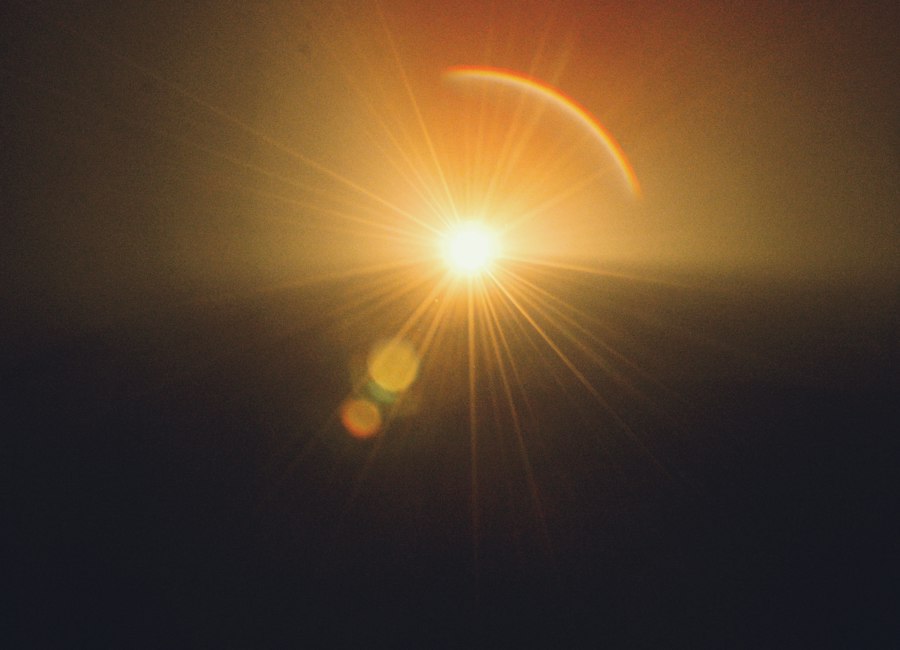
Overview
Flashes happen when the retina, the light-sensitive layer at the back of the eye, is stimulated by something other than light. The most common trigger is the vitreous jelly tugging on the retina as it shrinks with age.
Because the retina cannot tell the difference between light and physical pull, this tugging is registered as a flash. Many flashes are harmless, but they can also be an early warning that the retina is being pulled hard enough to tear. For this reason, new flashes should always be taken seriously and assessed promptly.
Flashes are different from the shimmering, zig-zag lights of a migraine, which usually last longer and affect both eyes.
What it feels like
People describe flashes in different ways, including:
- Brief sparks or streaks of light, like lightning at the edge of vision
- Arcs or flickers, often to one side
- Flashes that are more obvious in the dark or when moving the eyes
- Momentary bursts that come and go over seconds
Flashes linked to the retina usually appear in the peripheral (side) vision and are more noticeable in dim light.
Common causes
There are several possible causes of flashes, from harmless to serious:
- Posterior vitreous detachment: the vitreous pulls away from the retina, the most common cause of new flashes, often with floaters.
- Retinal tear or retinal detachment: the retina is pulled hard enough to tear or lift away, a sight-threatening emergency.
- Migraine aura: shimmering or zig-zag lights, usually in both eyes, lasting 20–30 minutes, sometimes without a headache.
- Diabetic eye disease: abnormal blood vessels and traction can cause flashes.
- Eye injury: a blow to the eye can produce flashes (“seeing stars”).
- Reduced blood flow: occasionally linked to circulation problems.
Flashes in the corner of the eye vs migraine lights
| Retinal flashes | Migraine aura | |
|---|---|---|
| Looks like | Brief white sparks, streaks or arcs, like a camera flash or lightning | Shimmering, flickering or zig-zag lines that slowly spread |
| Where | Usually at the edge (corner) of vision, in one eye | Often in the same part of vision in both eyes (still there with either eye closed) |
| How long | A second or less, may repeat; more noticeable in the dark or on eye movement | Usually builds and fades over about 20–30 minutes |
| Often with | New floaters, sometimes a shadow | Headache before, during or after (not always) |
| What to do | Same-day eye examination | Discuss with a doctor if new, different from usual, or with other symptoms |
These are general patterns only. A first episode of flashes, or any change from your usual pattern, should be checked.
Red-flag signs: when to seek urgent care
Any new flashes of light should be assessed promptly, ideally the same day, to rule out a retinal problem.
Seek urgent, same-day care if flashes come with:
- A sudden increase in floaters or a shower of new floaters
- A curtain, shadow or veil across part of your vision
- A sudden loss of vision
- Flashes that follow an eye injury
These are red flags for a retinal tear or detachment. Treating a tear early can often prevent it progressing to a detachment and permanent vision loss.
If you have zig-zag lights in both eyes that fade within about half an hour and you have a history of migraine, this is more likely a migraine aura, but a first-ever episode is still worth discussing with a doctor.
For flashes that come with new floaters, see flashes and floaters: when it's an emergency.
Call +65 6908 7533 now if you have any of these signs. 24-hour emergency eye care is available. If you cannot reach us quickly, or there are stroke signs, go to the nearest A&E or call 995.
What you can do at home vs when to see a doctor
There is no home treatment for flashes caused by the vitreous pulling on the retina; what matters is getting the retina checked. While you arrange this:
- Cover each eye in turn to see whether the flashes are in one eye or both.
- Note when they started, how long each lasts, and whether you also have new floaters or a shadow.
- Do not drive to a dilated eye examination, as the drops blur vision for a few hours.
Book a prompt assessment, ideally the same day, for any new flashes. If you have known migraine and your usual aura settles in under an hour, follow your usual migraine plan, but report anything new or different.
Seek urgent care for flashes with a shower of floaters, a curtain or shadow, loss of vision, or after an eye injury. Call +65 6908 7533 (24-hour emergency eye care available).
How flashes are assessed at our clinic
Flashes are investigated with a detailed look at the retina:
- Dilated retinal examination: eye drops widen the pupil so the retina and its edges can be inspected
- Slit-lamp examination: magnified assessment of the eye
- OCT imaging: detailed scans of the retina
- Scleral indentation or wide-field imaging: to examine the far edges of the retina
This examination is essential to confirm whether the retina is intact.
At our Novena clinic, Dr James Ng, whose sub-specialties include vitreoretinal surgery, examines the retina right to its edges after dilating drops. If a tear is found, laser treatment can often be arranged promptly to seal it.
Treatment options
Treatment depends on the cause:
- Observation: flashes from an uncomplicated vitreous detachment usually settle over weeks, once a tear has been ruled out.
- Laser treatment (retinopexy): seals a retinal tear to prevent detachment.
- Surgery: a retinal detachment needs prompt surgical repair.
- Migraine management: if flashes are due to migraine aura, treatment focuses on the migraine.
Even when flashes turn out to be harmless, a follow-up check is often advised because a tear can develop in the weeks after a vitreous detachment.
Frequently asked questions
Are flashes of light always an emergency? Not always, but new flashes should be checked promptly because they can indicate a retinal tear. Only an examination can tell for certain.
What is the difference between eye flashes and migraine? Retinal flashes are usually brief sparks in one eye and worse in the dark. Migraine aura tends to be shimmering, zig-zag lights in both eyes lasting 20–30 minutes.
Can flashes go away on their own? Flashes from a vitreous detachment often fade over several weeks. However, a retinal tear needs treatment, so assessment comes first.
I keep seeing flashes at the edge of my vision, is that normal? It can be a normal part of vitreous ageing, but persistent or new flashes should be examined to exclude a retinal problem.
More questions patients ask
Who is more likely to get a retinal tear after seeing flashes? The risk of a retinal tear with new flashes of light is higher in people who are short-sighted, have had cataract or other eye surgery or an eye injury, have had a retinal tear or detachment before or in the other eye, or have a family history of retinal detachment. Ageing vitreous changes are most common over 50. Symptoms alone cannot separate a harmless vitreous detachment from a tear, so a dilated retinal examination is needed.
Is laser treatment for a retinal tear painful? Laser retinopexy for a retinal tear is done in the clinic under local anaesthesia, with the eye numbed by drops and the pupil dilated. A special contact lens focuses the laser, and you will see bright flashes during treatment, which usually takes several minutes. Most patients go home the same day with minimal downtime, but should not drive that day because of the dilating drops.
What should I do if flashes come back after my eye check? If flashes of light return or change after an eye examination, especially with more floaters, a shadow or a drop in vision, arrange another examination the same day. A follow-up check is often advised within a few weeks of a posterior vitreous detachment, because a retinal tear can still develop after the first visit. Call +65 6908 7533, as 24-hour emergency eye care is available.
Can I get a same-day appointment for flashes of light in Singapore? Yes. London Eye & Retina Specialist Centre in Novena provides same-day appointments for urgent eye concerns, and new flashes of light should ideally be checked the same day. The clinic is at Novena Medical Center, 10 Sinaran Drive, #11-02, and 24-hour emergency eye care is available on +65 6908 7533. Do not drive yourself, as dilating drops blur vision for several hours.
Key takeaways
- Flashes usually come from the vitreous tugging on the retina as the eye ages.
- New flashes, especially with floaters or a shadow, are an emergency, seek same-day care.
- Migraine aura causes shimmering lights in both eyes and is a different, usually harmless, phenomenon.
- A dilated examination is the only way to rule out a retinal tear.
- Early laser treatment of a tear can prevent a sight-threatening detachment.
Seeing new flashes of light? Book an urgent assessment with Dr James Ng without delay.