
Eye Twitching
Eye twitching is an involuntary, repetitive flickering or spasm of the eyelid muscle, usually harmless, often annoying, and in most cases short-lived.
Book a Consultation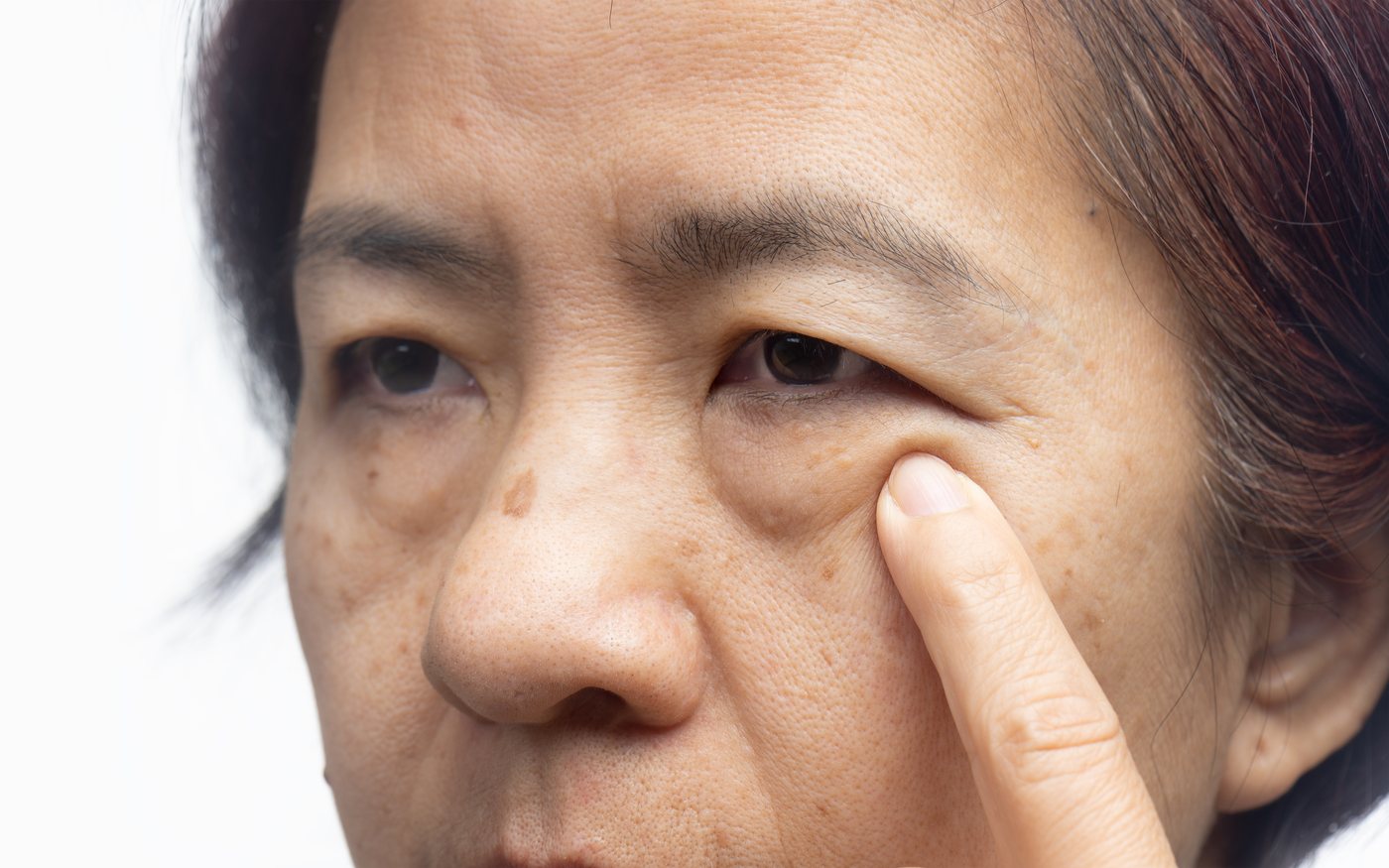
Overview
Eyelid twitching, known medically as myokymia, is an extremely common experience. It happens when the small muscle around the eye contracts involuntarily, producing a fine flutter that you can feel and sometimes see. Most twitches affect only the lower lid of one eye and come and go over hours or days.
The vast majority of eye twitches are entirely benign and closely linked to everyday factors such as tiredness, stress, too much caffeine or eye strain. They are not a sign of a serious eye disease and usually settle on their own once the trigger is addressed.
Occasionally, twitching is more persistent or forceful, or is part of a different pattern of muscle spasm. These less common forms are worth having assessed, but even then they are treatable.
What it feels like
Eye twitching is usually described as:
- A fine fluttering or flickering, most often in the lower eyelid
- A sensation that others cannot always see
- Twitching that comes in short bursts, then eases
- Symptoms in one eye at a time, rather than both
- Twitching triggered or worsened by tiredness, stress, screen use or caffeine
It is typically not painful and does not affect vision.
Common causes
Most eye twitching is benign and driven by lifestyle factors:
- Benign eyelid myokymia: the common, harmless flutter linked to fatigue, stress, caffeine or alcohol.
- Tiredness and lack of sleep: a frequent trigger.
- Eye strain: from prolonged screen use or an out-of-date glasses prescription.
- Dry eye syndrome: surface irritation can provoke lid twitching.
- Stress and anxiety: well-recognised contributors.
Less commonly, twitching relates to conditions affecting the facial or eyelid muscles and nerves:
- Blepharospasm: stronger, more frequent involuntary closure of both eyes.
- Hemifacial spasm: twitching that spreads to one side of the face, from nerve irritation.
- Neurological conditions: rarely, persistent twitching can relate to nerve or brain conditions, which is why unusual patterns deserve a check.
Left eye or right eye twitching: what does it mean?
Many cultures have beliefs about what a left eye twitching or right eye twitching means. Medically, the side does not matter: the common flutter can affect either eye, usually one at a time, and the causes are the same.
- Twitching under the eye or in the lower lid is the most typical pattern of benign myokymia.
- An eye that keeps twitching for days is still usually benign, especially during busy or stressful periods, but if it lasts more than a few weeks it is worth a check.
- Twitching that closes the eye forcefully, affects both eyes, or spreads to the cheek or mouth suggests a different condition, such as blepharospasm or hemifacial spasm, and should be assessed.
When to see a doctor and red-flag signs
Occasional twitching that comes and goes needs no more than rest and reassurance. See an eye specialist or doctor if the twitching:
- Lasts more than a few weeks
- Causes the eyelid to close completely or is hard to control
- Spreads to other parts of the face
- Comes with eyelid drooping, redness, swelling or discharge
- Is accompanied by double vision or other changes in sight
Seek urgent care if twitching occurs alongside facial weakness, a facial droop, slurred speech or a sudden severe headache, as these can signal a neurological emergency and warrant emergency services (call 995).
For an eye problem with twitching, such as a painful red eye, a drooping lid or double vision, call +65 6908 7533 (24-hour emergency eye care available).
Eye twitching remedies you can try at home
Most twitches settle on their own once the trigger is reduced. Things that often help:
- Getting more sleep and rest
- Cutting back on coffee, tea, energy drinks and alcohol
- Regular screen breaks, and making sure your glasses prescription is up to date
- A warm compress over the closed eyelid for a few minutes, which some people find soothing
- Managing stress where possible
Eye drops for twitching: there is no eye drop that directly stops a twitch. If your eyes are also dry or gritty, lubricating drops can ease the irritation that may be triggering it.
See a doctor if twitching lasts more than a few weeks, closes the eye, spreads to the face, or comes with drooping, redness, discharge or vision changes.
How eye twitching is assessed at our clinic
Benign twitching rarely needs tests, and diagnosis is usually clinical:
- History: pattern, duration, triggers such as caffeine, sleep and stress
- Examination of the eyelids and face: checking the type and extent of the spasm
- Slit-lamp examination: looking for dry eye or surface irritation as a trigger
- Refraction: to rule out eye strain from an incorrect prescription
- Neurological assessment or imaging: only if a nerve-related cause such as hemifacial spasm or blepharospasm is suspected
At our Novena clinic, Dr James Ng checks the eyelids, eye surface and glasses prescription for common triggers, and looks for features that suggest blepharospasm, hemifacial spasm or a nerve-related cause, arranging further investigation or referral if needed.
Treatment options
Because most twitching is harmless, treatment is often simply addressing the trigger:
- More sleep and rest: often all that is needed
- Cutting back on caffeine and alcohol
- Managing stress and taking regular screen breaks
- Lubricating drops if dry eye is contributing
- Updating glasses to relieve eye strain
- Botulinum toxin (Botox) injections: a commonly used treatment for blepharospasm and hemifacial spasm, given under specialist care
- Further investigation for the uncommon nerve-related causes
Frequently asked questions
Is eye twitching a sign of something serious? Very rarely. The common eyelid flutter is benign and linked to tiredness, stress or caffeine. Persistent twitching, spread to the face, or drooping should be assessed.
How long does eye twitching last? Usually from a few minutes to a few days, coming and going. If it persists for weeks or worsens, have it checked.
How can I stop my eye from twitching? Rest, more sleep, less caffeine and alcohol, stress management and screen breaks resolve most cases. Treating any underlying dry eye or eye strain also helps.
Can too much screen time cause eye twitching? Yes, indirectly. Prolonged screen use causes eye strain and fatigue, both common triggers. Regular breaks and blinking help.
Does left eye or right eye twitching mean anything? Medically, no. The common eyelid flutter can affect either eye and has the same causes, such as tiredness, stress and caffeine.
More questions patients ask
What is the difference between eyelid twitching and blepharospasm? Common eyelid twitching (myokymia) is a fine flutter, usually in the lower lid of one eye, linked to tiredness, stress or caffeine, and it settles on its own. Blepharospasm causes stronger, more frequent involuntary closure of both eyes, while hemifacial spasm spreads to one side of the face because of nerve irritation. These less common forms should be assessed by a specialist, and they are treatable.
Is Botox used to treat eye twitching? Botulinum toxin (Botox) injections are a commonly used treatment for blepharospasm and hemifacial spasm, given under specialist care. They are not needed for the common, harmless eyelid flutter, which usually settles within days to a few weeks once triggers such as stress, tiredness, caffeine and long screen sessions are reduced. Twitching that closes the eye or spreads to the face should be assessed.
Can eye twitching affect your eyesight? The common eyelid twitch is typically not painful and does not affect vision. Twitching that comes with double vision or other changes in sight, a drooping eyelid, redness or discharge is a different picture and should be assessed by an eye specialist. For an eye problem with twitching, call +65 6908 7533 (24-hour emergency eye care available).
Key takeaways
- Most eye twitching is benign myokymia, linked to tiredness, stress and caffeine.
- It is usually not painful, affects one eye, and settles on its own.
- Rest, reduced caffeine and stress management resolve most cases.
- Persistent twitching, spread to the face, or eyelid drooping should be assessed.
- Twitching with facial weakness or slurred speech is a medical emergency.
Bothered by a persistent twitch? Book an assessment with Dr James Ng for reassurance and care.