
Keratitis
Keratitis is inflammation or infection of the cornea, the clear, dome-shaped front window of the eye, and can range from mild irritation to a sight-threatening emergency.
Book a Consultation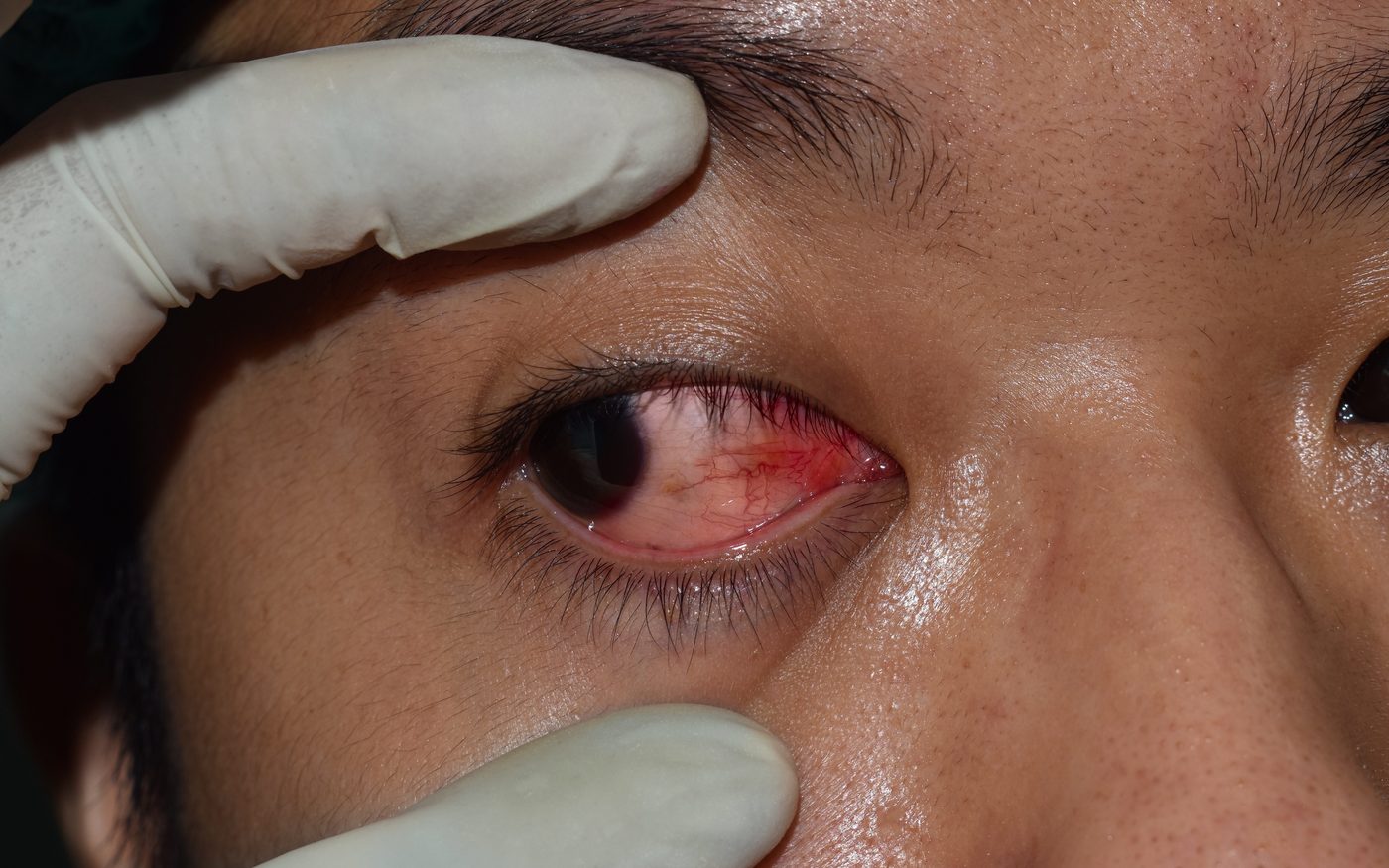
Overview
The cornea is the transparent layer at the very front of the eye that lets light in and helps focus it. Because it is exposed and has no blood vessels of its own, it relies on its surface tear film and outer cell layer for protection. When this barrier is breached, by an infection, injury or irritation, the cornea can become inflamed, a condition called keratitis.
Keratitis is one of the more common eye emergencies, and contact-lens wearers are especially at risk. An infection can progress quickly and, if it eats into the cornea, form a corneal ulcer that may leave a scar and permanently affect vision. With prompt treatment most cases recover well, so any painful, red eye, particularly in a contact-lens user, should be assessed urgently by an eye specialist.
Symptoms
Symptoms often come on quickly and usually affect one eye:
- Eye pain, sometimes severe
- Redness
- Watering and discharge
- Blurred vision
- Marked sensitivity to light
- A feeling that something is in the eye
- Difficulty keeping the eye open
- A visible white or grey spot on the cornea in more advanced cases
Causes
Keratitis can be infective (caused by germs) or non-infective (from injury or irritation):
- Bacterial: the most common infective cause, often linked to contact-lens wear or a corneal injury
- Viral: including the herpes simplex virus, which can recur
- Fungal: more likely after an injury involving plant matter, or with contact-lens misuse
- Acanthamoeba: a rare but serious infection linked to water exposure and poor lens hygiene
- Non-infective: dry eye, minor scratches, over-wear of contact lenses, or exposure to ultraviolet light
An infection often begins where the corneal surface has been broken, allowing germs to take hold.
Risk factors
- Wearing contact lenses, especially overnight or beyond the recommended time
- Poor lens hygiene, topping up solution, using tap water, or swimming or showering in lenses
- Eye injury or a scratch to the cornea
- Dry eyes or reduced tear production
- A weakened immune system
- Previous herpes eye infection
- Long-term use of steroid eye drops
Complications
Untreated or severe keratitis can lead to a corneal ulcer, deep scarring and lasting loss of vision. In the worst cases the infection can perforate the cornea or spread inside the eye, threatening sight altogether. Prompt, correctly targeted treatment greatly reduces these risks.
Diagnosis
An eye specialist will examine the eye closely, usually including:
- Slit-lamp examination: a microscope that shows the cornea in detail
- Staining with a dye: to reveal breaks or ulcers on the corneal surface
- Corneal scrape: a small sample sent to the laboratory to identify the germ in significant infections
- Contact-lens and solution review: to check hygiene and identify a likely source
- Vision testing: to assess how far vision is affected
Identifying the type of keratitis is essential, as bacterial, viral, fungal and amoebic infections need different treatments.
Treatment
Treatment depends on the cause and severity and often needs to start urgently:
- Antibiotic eye drops: for bacterial keratitis, sometimes given very frequently at first
- Antiviral treatment: drops or tablets for herpes-related keratitis
- Antifungal or anti-amoebic medication: for these less common but serious infections
- Stopping contact-lens wear: until the eye has fully healed and been cleared
- Supportive measures: lubricating drops, and medication to ease pain and inflammation
- Surgery: such as a corneal transplant, reserved for severe scarring or perforation
Close follow-up is important to confirm the infection is clearing and to protect the cornea.
When to see a doctor
A painful, red eye with blurred vision or light sensitivity should be assessed the same day: this is especially urgent for contact-lens wearers. Do not wait to see if it settles, and do not keep wearing lenses. Early treatment is the best way to prevent scarring and lasting damage to vision.
Prevention
Most cases linked to contact lenses are preventable with good habits:
- Wash and dry your hands before handling lenses
- Never sleep, swim or shower in lenses unless specifically approved
- Use fresh solution each time and never top up or use tap water
- Replace lenses and cases as advised and clean cases regularly
- Remove lenses and seek help at the first sign of redness or discomfort
- Protect your eyes from injury and manage dry eye
Herpes Simplex Keratitis (Herpes Virus in the Eye)
The herpes simplex virus, the same virus that causes cold sores, can infect the cornea. It often affects one eye and causes redness, watering, light sensitivity and blurred vision, sometimes with reduced feeling in the cornea. On examination it can form a branching (dendritic) ulcer.
- It is treated with antiviral drops, ointment or tablets.
- Steroid drops should not be used unless prescribed by an eye specialist, as they can make an active herpes infection worse.
- It can recur, particularly with illness, stress or sun exposure, and repeated episodes can scar the cornea, so long-term preventive treatment is sometimes advised.
Other Types of Keratitis
- Contact lens keratitis: infection linked to lens wear; urgent, see corneal ulcers.
- Marginal keratitis: an inflammatory reaction at the edge of the cornea, often linked to blepharitis.
- Nummular keratitis: small, coin-shaped spots in the cornea, often after viral conjunctivitis, which can blur vision for weeks.
- Exposure keratitis: drying of the cornea when the eyelids do not close fully.
- Filamentary keratitis: strands of cells and mucus on the cornea, often with severe dry eye.
- Photokeratitis: an ultraviolet burn, such as arc eye from welding.
These types are treated differently, so a slit-lamp examination is needed before treatment.
Frequently asked questions
Is keratitis an emergency? It can be. Infective keratitis can worsen within a day and threaten sight, so a painful red eye, particularly in a lens wearer, should be seen urgently.
Can I keep wearing my contact lenses? No. Stop wearing lenses immediately if you have symptoms, and only resume once your specialist confirms the eye has fully healed.
Will keratitis affect my vision permanently? Many people recover fully with prompt treatment. Deeper infections or ulcers can leave a scar that affects vision, which is why early care matters so much.
How is it different from conjunctivitis? Conjunctivitis affects the outer membrane and is usually less painful, while keratitis involves the cornea and often causes more pain, light sensitivity and blurred vision. An examination tells them apart.
More questions patients ask
How long does keratitis take to heal? Keratitis healing time depends on the cause, the size and depth of any ulcer and how early treatment starts. As with corneal ulcers, small bacterial ulcers may improve within days, while deeper, fungal or Acanthamoeba infections can take weeks to months. Close follow-up is important to confirm the infection is clearing, and contact lenses should not be worn until an eye specialist confirms the cornea has fully healed.
Will keratitis go away on its own? Infective keratitis should not be left to settle on its own, because it can worsen within a day and threaten sight. Bacterial, viral, fungal and amoebic infections each need different treatment, so the type must be identified first. A painful, red, light-sensitive eye should be assessed the same day, and contact-lens wearers should stop wearing their lenses straight away.
Is it safe to swim or shower in contact lenses? Swimming or showering in contact lenses is a recognised risk factor for keratitis and should be avoided unless specifically approved. Acanthamoeba keratitis, a rare but serious corneal infection, is linked to water exposure and poor lens hygiene. Rinsing lenses or cases with tap water and sleeping in lenses also raise the risk. Remove lenses and seek help at the first sign of redness or discomfort.
Can herpes keratitis come back? Yes, herpes simplex keratitis can recur, particularly with illness, stress or sun exposure, and repeated episodes can scar the cornea. It is treated with antiviral drops, ointment or tablets, and long-term preventive treatment is sometimes advised. A previous herpes eye infection is a risk factor for keratitis, so any new redness, watering or blurred vision should be checked promptly.
Can I use steroid eye drops for keratitis? Steroid eye drops should only be used for keratitis if an eye specialist prescribes them. In herpes simplex keratitis, steroids can make an active infection worse, and they can also worsen some other corneal infections. Long-term use of steroid eye drops is itself a risk factor for keratitis. Avoid leftover or over-the-counter drops and have the eye examined before any treatment starts.
Where can I get same-day treatment for keratitis in Singapore? London Eye & Retina Specialist Centre in Novena offers same-day assessment for a painful red eye, and 24-hour emergency eye care is available on +65 6908 7533. A GP referral is usually not needed to see the eye specialist. If you wear contact lenses, remove them straight away and keep the lenses and case, as they may be tested.
Key takeaways
- Keratitis is inflammation or infection of the cornea and can threaten sight.
- Contact-lens wearers are at particular risk, especially with poor hygiene.
- A painful, red, light-sensitive eye needs same-day assessment.
- Untreated infection can cause a corneal ulcer, scarring and lasting vision loss.
- Good lens hygiene and prompt treatment prevent most serious outcomes.