
Pterygium Surgery in Singapore
Pterygium surgery removes a fleshy, wing-shaped growth from the surface of the eye and replaces it with healthy tissue to relieve symptoms and reduce the chance of regrowth.
Book a Consultation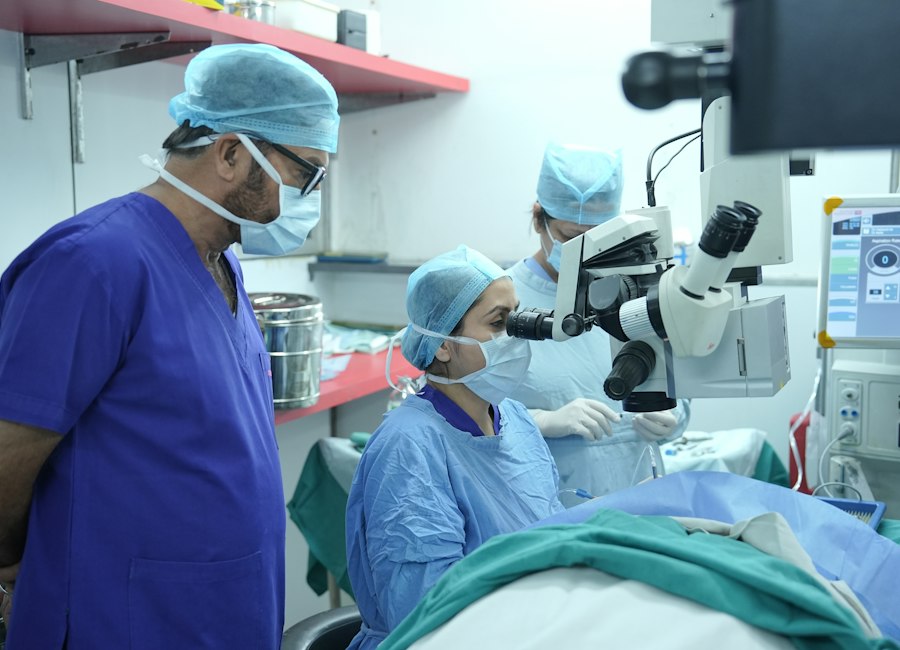
Overview
A pterygium (sometimes called “surfer’s eye”) is a benign growth of the conjunctiva, the clear membrane covering the white of the eye, that extends onto the cornea. It is strongly linked to long-term exposure to sunlight (ultraviolet light), wind and dust, which makes it common in sunny climates like Singapore.
Small, quiet pterygia often need only lubricating drops and sun protection. Surgery is considered when the growth becomes red and inflamed, causes persistent irritation, grows towards the centre of the cornea, distorts vision, or is cosmetically bothersome. Modern surgery not only removes the growth but also grafts healthy tissue to lower the risk of it coming back.
Who it's for
Surgery may be recommended if you have a pterygium that:
- Is growing towards or onto the central cornea, threatening vision
- Causes significant astigmatism or blurring
- Is frequently red, gritty, inflamed or uncomfortable
- Interferes with contact-lens wear
- Is cosmetically distressing
A pinguecula: a related, raised yellowish patch that does not grow onto the cornea, rarely needs surgery. An examination confirms the diagnosis and whether surgery is the right step for you.
Can a Pterygium Be Treated Without Surgery?
Yes, in many cases. A small pterygium that is not growing towards the centre of the cornea can usually be managed with:
- Lubricating eye drops for grittiness and dryness
- A short course of anti-inflammatory drops when it becomes red and irritated
- Sunglasses and a hat outdoors to reduce UV exposure
No eye drop makes a pterygium disappear. Regular checks show whether it is growing; surgery is considered if it encroaches on the cornea, changes your astigmatism or vision, or stays uncomfortable despite treatment.
How it works
Pterygium surgery is a day procedure, usually under local anaesthetic:
- Numbing: anaesthetic drops and a gentle injection numb the eye; you stay awake but comfortable.
- Removing the growth: the pterygium tissue is carefully lifted and removed from the cornea and conjunctiva, leaving a smooth surface.
- Grafting: a small piece of your own healthy conjunctiva (a conjunctival autograft), often taken from under the upper eyelid, is placed over the bare area.
- Securing the graft: the graft is fixed in place with tissue glue or fine dissolvable stitches.
Covering the area with healthy tissue is the key step that reduces the chance of the pterygium returning. The procedure typically takes around 30–45 minutes.
Technology & options
Several techniques and adjuncts help improve results and comfort:
- Conjunctival autograft: using your own tissue is widely used because it lowers the risk of recurrence.
- Tissue glue (fibrin sealant): often used instead of stitches for a more comfortable recovery.
- Amniotic membrane graft: an alternative graft material for larger or complex cases.
- Anti-scarring measures: selected agents may be used in higher-risk or recurrent cases to reduce regrowth.
Dr Ng will recommend the approach most suited to the size of the growth and your eye.
Recovery & aftercare
Some redness and discomfort are normal in the first week or two:
- The eye may feel gritty, watery or sore for several days as the surface heals.
- Prescribed antibiotic and anti-inflammatory drops are used for a few weeks.
- Redness at the graft site can take several weeks to fade fully.
- Avoid rubbing the eye, swimming and dusty environments until cleared.
- Wear sunglasses outdoors, as UV exposure contributes to recurrence.
Most people return to light activities within a few days. Follow-up visits check that the graft has settled and the eye is healing well.
Pterygium Surgery Recovery Timeline
| Time after surgery | What to expect |
|---|---|
| First 1–3 days | Grittiness, watering and soreness as the surface heals; an eye pad may be worn on the first day. Start your drops as instructed. |
| First week | Discomfort usually eases. Many people return to desk work within a few days, depending on comfort and the type of work. |
| Weeks 2–4 | Redness at the graft site gradually fades. Continue drops for the prescribed period; avoid swimming and dusty environments until cleared. |
| 1–3 months | The eye usually looks much quieter. Follow-up visits check the graft and look for early signs of recurrence. |
Increasing pain, worsening vision or a discharge after surgery needs prompt review. Seek urgent care: call +65 6908 7533 (24-hour emergency eye care is available).
Risks & considerations
Pterygium surgery is a commonly performed procedure, but as with any procedure there are risks to discuss beforehand. These can include:
- Recurrence: the main concern; grafting lowers but does not eliminate this risk
- Redness, irritation or graft swelling during healing
- Infection or, rarely, graft slippage
- Temporary changes in vision or astigmatism as the surface remodels
Recurrent pterygia can be more challenging to treat, which is why the initial technique and diligent sun protection afterwards matter.
Pterygium Surgery Cost in Singapore, MediSave & Insurance
The cost of pterygium surgery depends on the size of the growth, whether it has come back after previous surgery, whether one or both eyes are treated and the graft technique used, so it is quoted after your assessment. Surgical fees cover the surgeon’s fee, facility fee, the first week of post-operative reviews and the first set of medications.
When surgery is medically indicated, for example because the pterygium is affecting vision or causing persistent inflammation, it may be MediSave-claimable (up to CPF limits) and covered by Integrated Shield Plans. Surgery done purely for appearance may not be covered. Our team will confirm what applies to you; see our fees page.
Frequently asked questions
Is a pterygium dangerous or cancerous? No, a pterygium is a benign (non-cancerous) growth. However, it can affect vision and comfort if it grows, and any unusual surface lesion should be assessed.
Will the pterygium come back after surgery? Grafting techniques reduce the risk of recurrence, but it can still happen. Wearing sunglasses and protecting your eyes from UV, wind and dust helps keep the risk low.
Does the surgery hurt? The eye is numbed, so you should feel little during surgery. The main discomfort is in the first few days of healing and is managed with drops.
Can both eyes be treated? Yes, but each eye is usually treated separately so one eye heals before the other is done.
More questions patients ask
Which doctor does pterygium surgery? Pterygium surgery is performed by an ophthalmologist (eye surgeon). At London Eye & Retina Specialist Centre in Novena, pterygium excision, with or without fibrin glue, is one of Dr James Ng’s areas of specialisation. He is a triple fellowship-trained Consultant Ophthalmic Surgeon with more than 20 years of eye surgery, and he will recommend the graft technique most suited to the size of the growth and your eye.
How can I reduce the risk of getting a pterygium? You can reduce the risk of a pterygium by protecting your eyes from sunlight (UV light), wind and dust, the main factors linked to it, which is why it is common in sunny climates like Singapore. Wearing sunglasses and a hat outdoors cuts UV exposure. The same habits matter after pterygium surgery, because UV exposure contributes to the growth coming back.
Key takeaways
- Pterygium surgery removes a benign growth from the eye’s surface and grafts healthy tissue.
- It is considered when the growth threatens vision or causes persistent irritation or redness.
- Using your own conjunctiva as a graft reduces the chance of recurrence.
- Sun protection afterwards is important to prevent regrowth.
- When medically indicated, pterygium surgery may be MediSave-claimable and covered by Integrated Shield Plans.