
Conjunctivitis (Pink Eye)
Conjunctivitis, commonly called "pink eye", is inflammation of the thin, clear membrane that covers the white of the eye and lines the inner eyelids.
Book a Consultation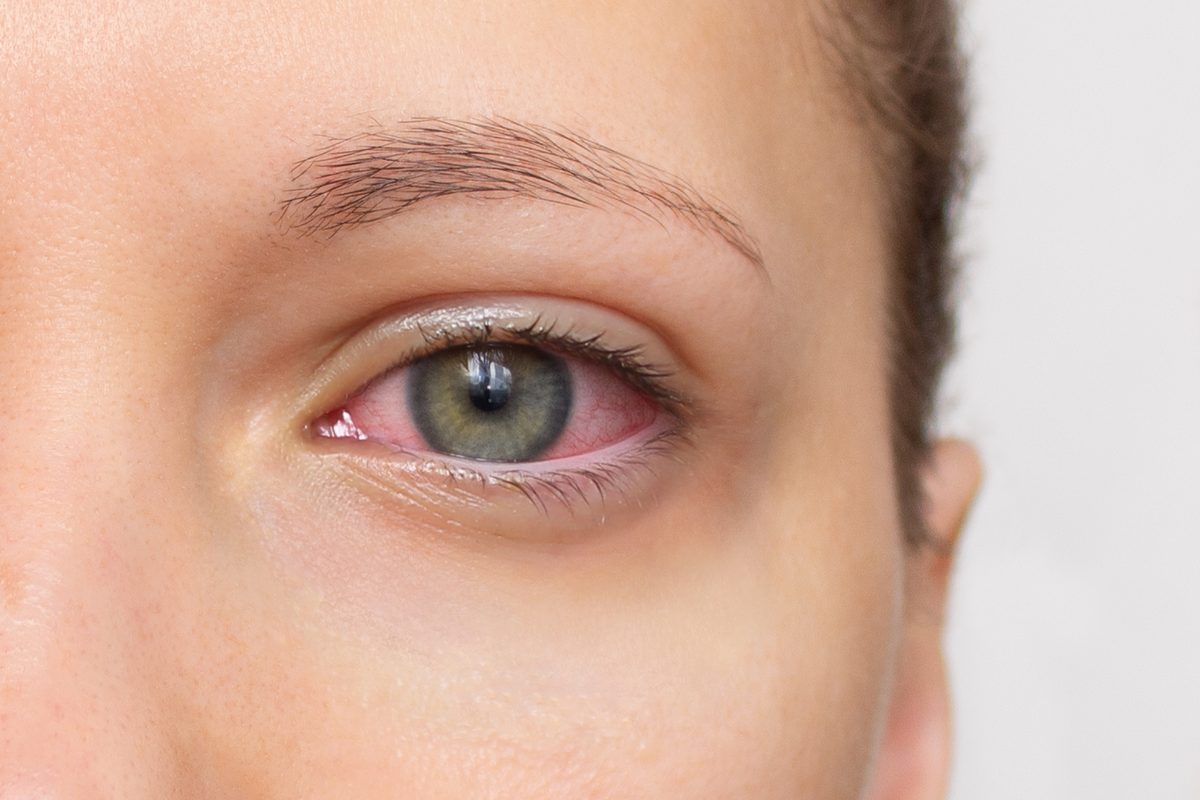
Overview
The conjunctiva is a transparent layer of tissue over the white of the eye (sclera) and the inside of the eyelids. When it becomes inflamed, its tiny blood vessels swell and the eye takes on a pink or red appearance, hence the everyday name “pink eye”.
Conjunctivitis is very common and affects people of all ages. It can be caused by infection (viruses or bacteria), allergies, or irritants such as smoke, chlorine or chemicals. Most cases are mild and settle on their own, but some, particularly infective types, spread easily from person to person, and a few can threaten sight if not managed correctly.
Symptoms
Symptoms vary with the cause but often include:
- Redness or pinkness of one or both eyes
- Itching, grittiness or a burning sensation
- Watery or sticky discharge
- Crusting on the lashes, especially on waking
- A feeling that something is in the eye
- Swollen or puffy eyelids
- Sensitivity to light in more severe cases
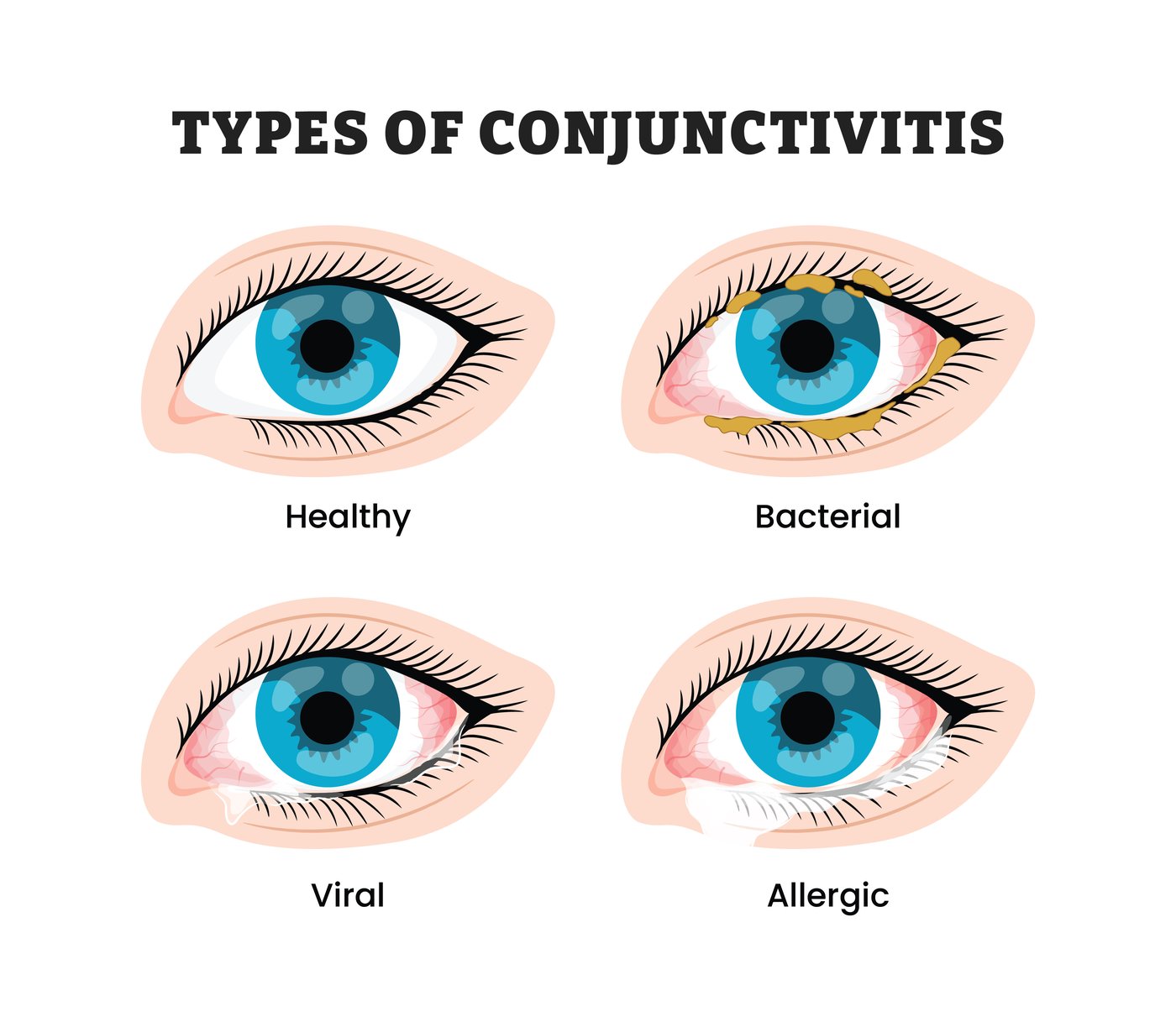
Bacterial cases tend to produce thicker, yellow-green discharge; viral and allergic cases are usually more watery. Allergic conjunctivitis is typically itchy and affects both eyes.
Causes
Conjunctivitis has several distinct causes:
- Viral: the most common infective type, often alongside a cold or flu; highly contagious.
- Bacterial: caused by bacteria; produces sticky discharge and is also contagious.
- Allergic: a reaction to pollen, dust mites, pet dander or cosmetics; not contagious and often seasonal.
- Irritant: from chlorine, smoke, air pollution, or a foreign body.
In newborns, conjunctivitis needs prompt medical attention, as it can be linked to infections passed during birth.
Risk factors
- Close contact with someone who has infective conjunctivitis
- Hay fever, eczema or other allergies
- Contact lens wear, especially with poor hygiene
- Exposure to smoke, dust or chemical irritants
- Recent upper respiratory infection (cold or flu)
Complications
Most conjunctivitis clears without lasting harm. However, involvement of the cornea (the clear front window of the eye) can cause blurred vision and, rarely, scarring. Contact lens wearers are at higher risk of a serious corneal infection (keratitis), which is a sight-threatening emergency. Persistent or recurrent symptoms may point to another condition such as dry eye or blepharitis.
Diagnosis
An eye specialist can usually diagnose conjunctivitis from your symptoms and an examination:
- Slit-lamp examination: a microscope to inspect the conjunctiva, cornea and eyelids in detail
- History taking: recent illness, allergies, contact lens use and known contacts
- Swab testing: occasionally taken if the cause is unclear, severe or not responding to treatment
Distinguishing the cause matters, because viral, bacterial and allergic conjunctivitis are managed differently.
Treatment
Treatment depends on the underlying cause:
- Viral: usually self-limiting; managed with cool compresses, lubricating drops and good hygiene while it runs its course.
- Bacterial: antibiotic eye drops or ointment may be prescribed to speed recovery and reduce spread.
- Allergic: antihistamine or mast-cell-stabiliser drops, avoiding the trigger, and cool compresses; lubricants ease irritation.
- Irritant: flushing the eye with clean water or saline and removing the source.
Contact lens wearers should stop wearing lenses until the eye is fully settled and cleared by a doctor. Do not share towels, pillows or eye cosmetics while symptoms last.
When to see a doctor
See an eye specialist promptly if you have:
- Moderate or severe eye pain
- Reduced or blurred vision that does not clear with blinking
- Marked light sensitivity
- Intense redness, or symptoms that worsen or fail to improve after a few days
- Conjunctivitis while wearing contact lenses
- A newborn with a red, discharging eye, seek care urgently
These can signal corneal involvement or another serious problem needing urgent assessment.
Prevention
- Wash hands frequently and avoid rubbing your eyes
- Do not share towels, flannels, pillows or eye make-up
- Replace eye cosmetics after an infection
- Follow contact lens hygiene and replacement schedules strictly
- Identify and avoid known allergy triggers
- Stay home from work or school while a contagious infection is active, where advised
Viral, Bacterial or Allergic Conjunctivitis: How to Tell
| Viral | Bacterial | Allergic | |
|---|---|---|---|
| Discharge | Watery | Thick, yellow-green, sticky | Watery or stringy |
| Itch | Mild | Mild | Prominent |
| Eyes affected | Often one, then the other | One or both | Usually both |
| Other clues | Recent cold or sore throat | Lashes stuck together on waking | Hay fever, eczema, seasonal pattern |
| Contagious? | Yes, very | Yes | No |
These are only rough guides and the types can overlap. If you are unsure, or symptoms are severe, an eye examination is the reliable way to tell. Allergic eye disease in children is covered under allergic conjunctivitis and VKC.
Antibiotic Eye Drops for Pink Eye: When Are They Needed?
Antibiotic eye drops or ointment help only when conjunctivitis is bacterial, and even then mild cases often clear on their own. They do not treat viral or allergic conjunctivitis.
- Do not use leftover drops from a previous infection or someone else’s drops.
- Avoid steroid drops unless prescribed after an eye examination, as they can worsen some infections, such as herpes.
- Redness-relief drops may mask symptoms and are not a treatment.
See an eye specialist rather than self-treating if you wear contact lenses, have pain or blurred vision, or symptoms are not improving after a few days.
Is Pink Eye Contagious? Returning to Work or School
Viral and bacterial conjunctivitis spread through contact with eye discharge, usually via hands, towels and pillowcases. Viral conjunctivitis can remain contagious for as long as the eye is red and watery, which may be one to two weeks. Allergic and irritant conjunctivitis are not contagious.
- Wash hands often, especially after touching your eyes or putting in drops.
- Use your own towel and pillowcase, and do not share eye make-up.
- Follow your doctor’s and your school or workplace’s advice on when to return.
Pink Eye in Babies and Children
Conjunctivitis is common in children and often spreads in childcare and school. Most cases are mild. A newborn with a red or discharging eye should be seen urgently, as some infections passed on at birth need prompt treatment. In babies, a persistently watery or sticky eye can also be due to a blocked tear duct.
Frequently asked questions
How long is conjunctivitis contagious? Viral and bacterial conjunctivitis can spread while the eye is red and discharging. Careful hand hygiene greatly reduces the risk of passing it on.
Can I wear contact lenses with pink eye? No. Stop wearing lenses until the eye is fully better and, ideally, cleared by your doctor, then use a fresh pair and case.
Do I always need antibiotic drops? No. Viral and allergic conjunctivitis do not respond to antibiotics. Drops are used when a bacterial cause is likely or symptoms are severe.
Is pink eye serious? Usually not, but pain, light sensitivity or blurred vision are warning signs. Contact lens wearers should always be assessed promptly.
More questions patients ask
How long does conjunctivitis last? Most conjunctivitis is mild and settles on its own, although viral conjunctivitis can keep the eye red and watery for one to two weeks. Bacterial conjunctivitis may be treated with antibiotic drops or ointment to speed recovery, and allergic conjunctivitis is often seasonal and managed by avoiding the trigger and using anti-allergy drops. See an eye specialist if symptoms worsen or fail to improve after a few days.
Should I throw away my eye make-up after pink eye? Yes, eye cosmetics should be replaced after conjunctivitis caused by an infection. While symptoms last, do not share eye make-up, towels, flannels or pillows. Viral and bacterial conjunctivitis spread through contact with eye discharge, usually via hands, towels and pillowcases, so use your own towel and pillowcase and wash your hands often, especially after touching your eyes or putting in drops.
Why does my conjunctivitis keep coming back? Conjunctivitis that keeps coming back or does not clear may point to another condition, such as dry eye or blepharitis. Allergic conjunctivitis can also return, often seasonally, with triggers such as pollen, dust mites or pet dander. An eye specialist can examine the conjunctiva, cornea and eyelids with a slit-lamp microscope to find the cause, because viral, bacterial, allergic and other causes are managed differently.
Can I see an eye specialist the same day for pink eye in Singapore? Yes, London Eye & Retina Specialist Centre in Novena provides same-day appointments for urgent eye concerns, and 24-hour emergency eye care is available on +65 6908 7533. Pink eye should be seen promptly if you have eye pain, blurred vision, marked light sensitivity, symptoms that are not improving, you wear contact lenses, or the patient is a newborn. Non-urgent enquiries can be sent by WhatsApp to +65 9833 3141.
Key takeaways
- Conjunctivitis is inflammation of the membrane over the white of the eye, causing redness and irritation.
- Causes include viruses, bacteria, allergies and irritants, each managed differently.
- Most cases are mild, but infective types spread easily; good hygiene limits transmission.
- Pain, blurred vision or light sensitivity warrant prompt specialist review.
- Contact lens wearers should stop lenses and seek assessment to rule out a serious corneal infection.