
Chalazion (Eyelid Cyst)
A chalazion is a slow-growing, usually painless lump in the eyelid caused by a blocked and swollen oil gland.
Book a Consultation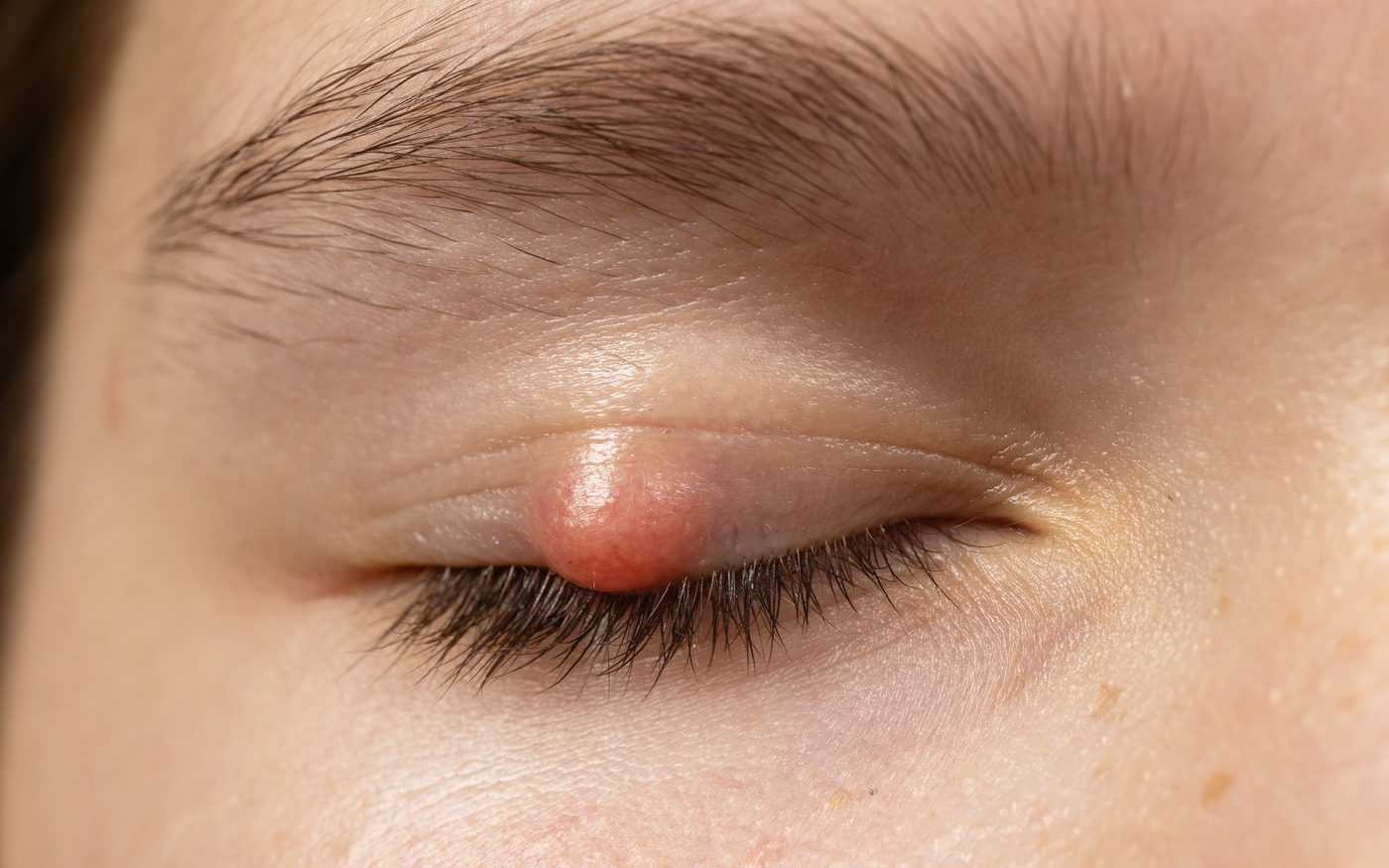
Overview
A chalazion (sometimes called a meibomian cyst) forms when one of the small oil-producing glands in the eyelid becomes blocked. Oil builds up behind the blockage, and the surrounding tissue reacts, forming a firm lump within the eyelid. It can appear on the upper or lower lid.
A chalazion is different from a stye. A stye is a painful, infected lump usually at the lash line, whereas a chalazion is typically painless, sits further back in the lid, and results from a blockage rather than an active infection. In fact, a stye that does not fully clear can sometimes leave a chalazion behind. Most chalazia are harmless and many settle with simple home care, though some are stubborn and need treatment.
Symptoms
- A firm, painless lump in the upper or lower eyelid
- Mild swelling and tenderness when it first develops
- Redness of the overlying eyelid
- A feeling of heaviness or a lump when blinking
- Blurred vision if a large chalazion presses on the eye and distorts its shape
- Occasionally, watering of the eye
If the area becomes markedly red, hot and painful, the chalazion may have become infected.
Causes
A chalazion develops when a meibomian oil gland becomes blocked and its contents cannot drain. This leads to a build-up of trapped oil and a localised inflammatory reaction. Common contributors include:
- Blepharitis: chronic eyelid margin inflammation that blocks the glands
- Meibomian gland dysfunction: poor-quality, thickened oil that clogs easily
- Skin conditions: such as rosacea and seborrhoeic dermatitis
- A previous stye: that has not fully resolved
Risk factors
- A history of blepharitis or previous chalazia or styes
- Rosacea or seborrhoeic dermatitis
- Oily skin and blocked oil glands
- Chronic eyelid inflammation
- Poor eyelid hygiene
Complications
Most chalazia are benign and cause no lasting harm. A large one can press on the eyeball and temporarily blur vision by inducing astigmatism. Occasionally a chalazion becomes infected, turning red, hot and painful, which needs medical attention. Recurrent chalazia in the same spot, or a lump with unusual features, should always be examined by an eye specialist, as rare eyelid conditions can occasionally mimic a chalazion.
Diagnosis
A chalazion is usually diagnosed by examination alone:
- Eyelid examination: inspecting and gently feeling the lump to confirm its nature
- Slit-lamp examination: a microscope to view the lid margin and oil glands and to distinguish a chalazion from a stye or other lesion
- Assessment for blepharitis: as underlying gland dysfunction is common
A biopsy is rarely required, but may be considered for atypical, persistent or recurrent lumps to exclude other causes.
Treatment
Many chalazia improve with simple measures, and treatment is stepped up if they persist:
- Warm compresses: applied several times a day to soften the trapped oil and encourage drainage; this is the most important home treatment
- Gentle massage: over the lump toward the lash line, after a warm compress, to help it drain
- Eyelid hygiene: to address underlying blepharitis and reduce recurrence
- Steroid injection: a small injection into the lump may be used for persistent chalazia
- Incision and curettage: a minor procedure under local anaesthetic to open and drain a chalazion that has not cleared with conservative care
- Antibiotics: reserved for cases where infection is present
Most chalazia respond to warm compresses given consistently over a few weeks. Avoid squeezing or trying to pop the lump yourself, as this can cause infection or scarring.
When to see a doctor
See an eye specialist if a lump does not improve after a few weeks of warm compresses, keeps returning, is large enough to affect your vision, or becomes red, hot and painful (suggesting infection). Any eyelid lump that grows unusually, bleeds, distorts the lid margin or the lashes, or looks atypical should be assessed promptly to rule out other conditions.
Prevention
- Perform regular eyelid hygiene, especially if you are prone to chalazia
- Use warm compresses routinely if you have oily or blocked glands
- Treat and control blepharitis and related skin conditions
- Remove eye make-up thoroughly each night
- Avoid touching or rubbing the eyelids with unclean hands
How to Use a Warm Compress for a Chalazion
- Wash your hands.
- Soak a clean flannel in warm (not hot) water, or use a heated eye mask, and test the temperature on the inside of your wrist.
- Close your eyes and hold it over the eyelid for 5 to 10 minutes, re-warming as it cools.
- Afterwards, gently massage over the lump towards the lash line for about a minute.
- Repeat 3 to 4 times a day for several weeks.
Never squeeze or try to pop a chalazion. If the lid becomes increasingly red, swollen and painful, or the swelling spreads, see a doctor promptly, as this can signal infection (see swollen eyelid).
Chalazion Removal: What to Expect
If a chalazion has not settled after several weeks of warm compresses, or it is large or affecting vision, it can be removed with a minor procedure called incision and curettage:
- The eyelid is numbed with a local anaesthetic injection.
- The lid is usually turned over and the chalazion drained from the inside, so there is typically no visible scar on the skin.
- The procedure itself takes a few minutes; a pad may be worn for a few hours.
- You use antibiotic ointment for a few days, and some bruising or swelling can last a week or so.
A steroid injection into the lump is an alternative for some chalazia. Recurrent lumps in the same spot may be sent for testing. Chalazion removal is $480 + GST for one eye: a $130 consultation plus $350 for the removal, including the facility fee.
Chalazion in Children
Chalazia are common in children, particularly those with blepharitis. Warm compresses and lid hygiene are tried first. If removal is needed, young children may need a brief general anaesthetic, so a period of conservative care is often preferred. A large chalazion pressing on the eye can induce astigmatism, which matters in young children because it can affect visual development, so persistent lumps should be checked.
Frequently asked questions
Will a chalazion go away on its own? Many do, especially with regular warm compresses. Some resolve over a few weeks, while stubborn ones may need a steroid injection or a minor drainage procedure.
Should I squeeze a chalazion? No. Squeezing can push infection into the tissue and cause scarring. Warm compresses and gentle massage are safer and more effective.
What is the difference between a chalazion and a stye? A stye is usually a painful, infected lump at the lash line, while a chalazion is a firmer, usually painless lump from a blocked gland further back in the lid.
Why do I keep getting chalazia? Recurrent chalazia are often linked to underlying blepharitis or meibomian gland dysfunction. Treating the gland problem and keeping up eyelid hygiene reduces recurrence.
More questions patients ask
Is chalazion removal painful? Chalazion removal is done under local anaesthetic, with the eyelid numbed by an injection before the minor procedure (incision and curettage), which takes a few minutes. The chalazion is usually drained from the inside of the lid, so there is typically no visible skin scar. Afterwards a pad may be worn for a few hours, antibiotic ointment is used for a few days, and some bruising or swelling can last a week or so.
How much does chalazion removal cost in Singapore? Chalazion removal at London Eye & Retina Specialist Centre in Novena is $480 + GST for one eye: a $130 consultation plus $350 for the removal, including the facility fee. Not every chalazion needs removal, because the right treatment depends on the lump. Many chalazia settle with warm compresses alone, some are treated with a steroid injection, and others need incision and curettage under local anaesthetic. Fees may vary with clinical needs, so please confirm the cost with the clinic on +65 6908 7533.
Can a chalazion be cancer? A chalazion itself is a benign lump caused by a blocked oil gland, and most cause no lasting harm. However, rare eyelid conditions can occasionally mimic a chalazion. A lump that keeps returning in the same spot, grows unusually, bleeds, distorts the lid margin or causes loss of lashes should be examined by an eye specialist, and recurrent lumps may be sent for testing (biopsy) to exclude other causes.
Key takeaways
- A chalazion is a usually painless eyelid lump from a blocked oil gland.
- It differs from a stye, which is a painful, infected lump at the lash line.
- Warm compresses given consistently clear most chalazia.
- Persistent lumps may need a steroid injection or minor drainage procedure.
- Underlying blepharitis should be treated to prevent recurrence, and unusual or recurring lumps should be assessed.