Cataract surgery can restore clearer vision, but in some cases, it may also uncover underlying retinal conditions that were previously difficult to detect. Understanding the relationship between cataract and retinal surgery can help patients know what to expect before and after treatment.
Key Takeaways
- Cataracts can sometimes hide retinal conditions that become easier to detect once the cloudy lens is removed.
- A detailed eye assessment before cataract surgery helps identify potential retinal concerns and supports treatment planning.
- Retinal conditions do not affect every cataract patient, but some individuals may require additional care after surgery.
- Early diagnosis and appropriate management can help protect vision and improve long-term eye health.
Can a Cataract Hide Problems in the Retina?
Yes, in some cases it can. A cataract causes the eye’s natural lens to become cloudy, reducing the amount of light reaching the retina. When the cataract is dense, it can make it more difficult for an eye specialist to examine the retina thoroughly during routine eye checks.
Once the cataract is removed and the lens becomes clear again,
- The retina can often be examined in greater detail.
- Previously hidden retinal conditions may become visible.
- Some patients may notice visual symptoms that were previously masked by the cataract.
It is important to remember that cataract surgery does not cause these retinal conditions. Rather, it may make existing conditions easier to identify.
What Retinal Problems Can Sometimes Be Found After Cataract Surgery?
Several retinal conditions may become more apparent after cataract treatment, including,
- Age-related macular degeneration (AMD)– This condition affects the central part of the retina (the macula) and may cause blurred central vision, difficulty recognising faces and trouble reading fine print.
- Diabetic Retinopathy- People living with diabetes have a higher risk of retinal damage caused by changes in the small blood vessels of the eye. Possible signs include blurred vision, floaters and areas of missing vision.
- Epiretinal Membrane- A thin layer of scar tissue may develop on the retina, leading to distorted vision, blurred central vision and difficulty reading.
- Retinal Tears or Retinal Detachment- Although less common, retinal tears or detachments require prompt assessment. Symptoms may include sudden flashes of light, a sudden increase in floaters and a shadow or curtain across part of the vision.
Anyone experiencing these symptoms should seek urgent medical attention.
Why Are Retinal Checks Important Before Cataract Surgery?
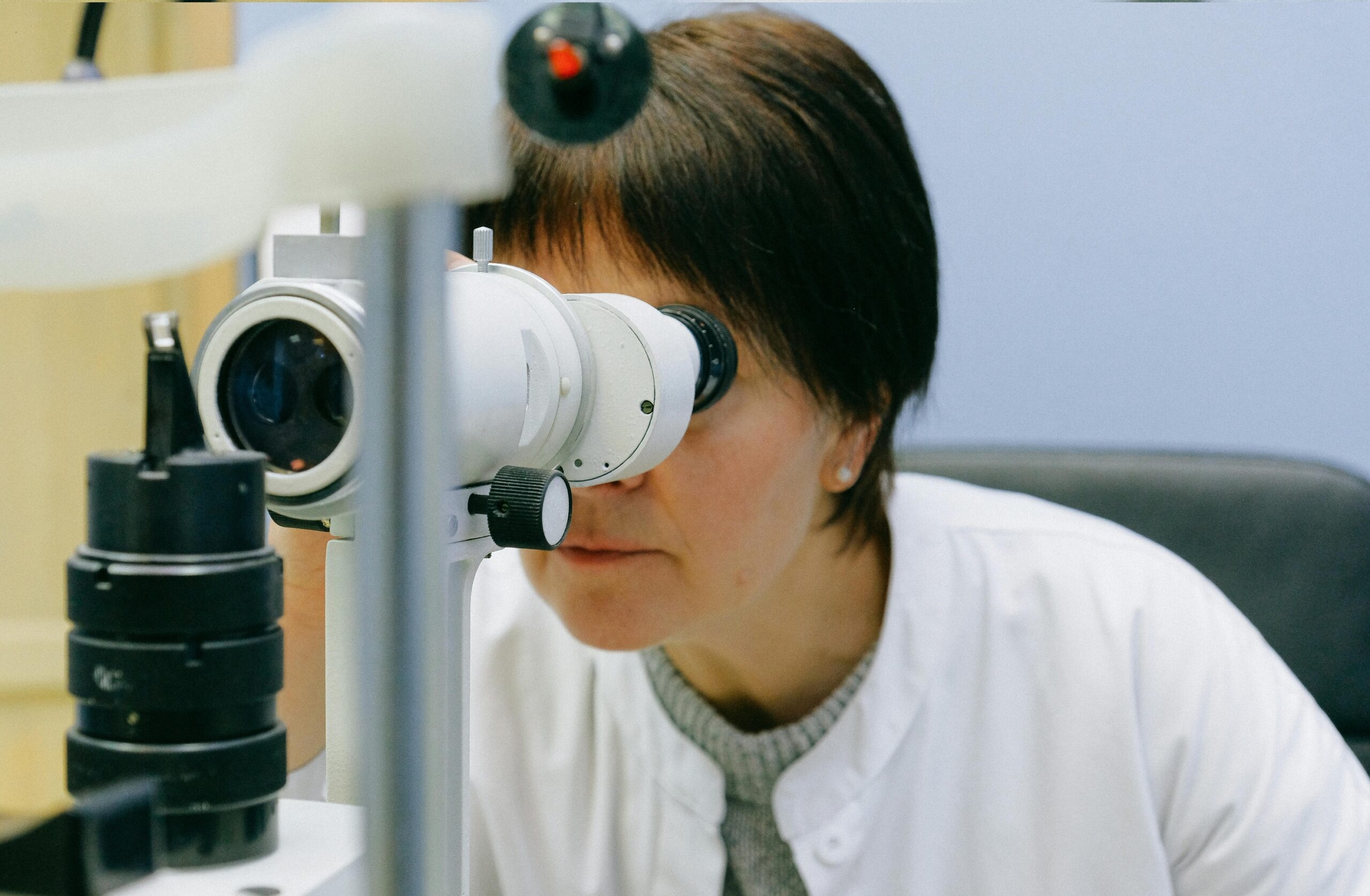
Before cataract surgery, your eye specialist will usually perform a comprehensive eye examination. This may include,
- Examination of the retina after pupil dilation
- Optical Coherence Tomography (OCT), when appropriate
- Ultrasound imaging if the cataract is too dense to allow a clear retinal view
These assessments help to,
- Detect existing retinal disease where possible
- Plan the most appropriate treatment approach
- Discuss realistic expectations for visual recovery
Even if the retina cannot be fully assessed before surgery because of a very dense cataract, further evaluation can often be performed after the cataract has been removed.
How Are Cataract and Retinal Surgery Related?
The relationship between cataract and retinal surgery depends on each patient’s eye condition. Some patients only require cataract surgery. Others may need retinal treatment before or after cataract surgery if a retinal condition is identified.
Depending on the underlying diagnosis, retinal management may involve,
- Careful monitoring
- Eye injections for certain retinal diseases
- Laser treatment
- Retinal surgery where appropriate
The timing of treatment varies from patient to patient and is determined after a detailed assessment by an eye specialist.
What Should You Do If Vision Does Not Improve After Cataract Surgery?
Many people experience clearer vision after cataract surgery. However, if vision remains blurred or changes unexpectedly, further assessment is important. Possible reasons include,
- A previously hidden retinal condition
- Swelling affecting the retina
- Other eye conditions unrelated to the cataract
A review with your eye specialist can help determine the cause and whether further investigation or treatment is needed.
Frequently Asked Questions
Does cataract surgery cause retinal disease?
No. Cataract surgery does not cause retinal diseases. However, removing the cloudy lens may allow retinal conditions that were already present to become more visible.
Will every cataract patient need retinal surgery?
No. Most patients undergoing cataract surgery do not require retinal surgery. Treatment depends entirely on whether a retinal condition is present.
Can retinal problems be detected before cataract surgery?
In many cases, yes. However, if the cataract is very dense, it may limit how well the retina can be examined until after surgery.
What symptoms should I watch for after cataract surgery?
Seek prompt medical assessment if you notice,
- Sudden flashes of light
- A sudden increase in floaters
- A shadow or curtain over your vision
- Significant or persistent loss of vision
Looking for Personalised Eye Care in Singapore?
If you have been diagnosed with a cataract or have concerns about your retinal health, a comprehensive eye assessment can help determine the most appropriate next steps for your individual condition.
At London Eye & Retina Specialist Centre, Dr James Ng Kin Wah provides assessment and management for patients with cataracts and retinal conditions, including evaluating whether additional retinal care may be needed before or after cataract surgery.
Consider booking a consultation at London Eye & Retina Specialist Centre to discuss your eye health and receive an individualised assessment based on your visual needs.