A speck of dust, metal, sand, or debris in the eye may seem harmless at first. Many people assume it will wash out naturally or disappear on its own. However, in some cases, a foreign object trapped in the eye can lead to irritation, infection, scarring, or even vision problems if left untreated.
Key Takeaways
- Even a tiny foreign object in the eye can cause ongoing irritation and damage if not removed promptly.
- Delaying eye foreign body removal may increase the risk of infection, corneal scratches, and scarring.
- Symptoms such as persistent pain, redness, tearing, or blurred vision should not be ignored.
- Early assessment by an eye specialist can help protect eye health and reduce the risk of complications.
What Is an Eye Foreign Body?
An eye foreign body refers to any object that enters or becomes lodged in the eye. Common examples include:
- Dust particles
- Sand or dirt
- Metal fragments
- Wood chips
- Glass particles
- Eyelashes
- Contact lens fragments
Foreign bodies can become trapped on the surface of the eye, underneath the eyelid, or occasionally penetrate deeper eye structures.
While some minor particles may be removed naturally through blinking and tears, others can remain embedded and cause ongoing problems.
What Happens If a Foreign Body Is Left in the Eye?
The eye is a delicate organ. Even a small particle can continuously rub against sensitive tissues. Potential consequences include,
Corneal Scratches
The cornea is the clear front surface of the eye. A trapped particle can,
- Scratch the cornea
- Cause discomfort with every blink
- Lead to light sensitivity
- Result in excessive tearing
Without treatment, repeated friction may worsen the injury.
Eye Infections
A foreign object can introduce bacteria or other contaminants into the eye. Possible signs include,
- Increasing redness
- Eye discharge
- Swelling
- Persistent pain
Certain infections may affect vision if not managed appropriately.
Corneal Scarring
When the cornea heals after injury or infection, scar tissue may develop. Depending on the location and extent of scarring,
- Vision may become blurry
- Glare sensitivity may increase
- Visual quality may be affected
Rust Ring Formation
Metallic foreign bodies can create a rust ring when left in the eye. This may,
- Trigger inflammation
- Delay healing
- Require specialised removal
Prompt evaluation is often recommended when metal fragments are involved.
What Symptoms Suggest You May Need Eye Foreign Body Removal?
Some foreign bodies are visible, while others are difficult to detect. You may require medical assessment if you experience,
- Persistent sensation that something is in the eye
- Redness that does not improve
- Excessive tearing
- Eye pain or discomfort
- Blurred vision
- Sensitivity to light
- Difficulty keeping the eye open
Symptoms that continue despite rinsing the eye should not be ignored.
Can You Remove a Foreign Body Yourself?
For minor dust particles, gentle flushing with clean water or sterile saline may help. However, you should avoid,
- Rubbing the eye
- Using sharp objects or cotton buds
- Attempting to remove embedded particles
- Delaying medical attention if symptoms persist
Improper removal attempts may cause further injury. If discomfort continues or vision changes occur, professional assessment is advisable.
How Is Eye Foreign Body Removal Performed?
The appropriate approach depends on the type, size, and location of the foreign body. An eye specialist may,
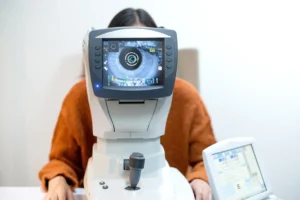
- Examine the eye using specialised equipment
- Assess for scratches or deeper injury
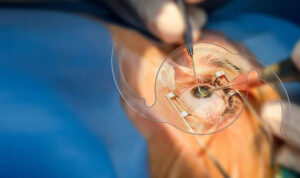
- Remove the foreign body using appropriate instruments
- Check for signs of infection or inflammation
- Recommend suitable follow-up care when necessary
Timely eye foreign body removal helps minimise the risk of complications and supports recovery.
Frequently Asked Questions
How long can a foreign body stay in the eye?
Some small particles may wash out naturally within hours. However, particles that remain lodged in the eye can continue irritating and may increase the risk of complications over time.
Is eye foreign body removal painful?
The procedure is generally well tolerated. Eye specialists may use anaesthetic eye drops to improve comfort during the examination and removal process.
Can a foreign body cause permanent vision loss?
In some cases, untreated injuries may lead to complications such as infection or corneal scarring, which can affect vision. Early assessment helps reduce these risks.
Should I seek medical attention if the discomfort seems minor?
If symptoms persist, worsen, or affect your vision, it is advisable to have the eye examined. Even small foreign bodies can sometimes cause significant irritation or injury.
What should I do immediately after getting something in my eye?
Try blinking several times and gently rinse the eye with clean water or sterile saline. Avoid rubbing the eye. If symptoms continue, seek professional evaluation.
Protect Your Vision with Prompt Assessment
A tiny particle in the eye may seem insignificant, but delaying treatment can sometimes lead to avoidable complications. If you experience persistent discomfort, redness, blurred vision, or the sensation that something is stuck in your eye, seeking timely assessment is important.
At London Eye & Retina Specialist Centre, Dr James Ng Kin Wah provides comprehensive evaluation and management of a range of eye conditions, including cases requiring eye foreign body removal. A professional examination can help identify the cause of your symptoms and determine the most appropriate next steps.
Book a consultation with London Eye & Retina Specialist Centre today to have your eye assessed and protect your long-term eye health.