Retinal detachment is a serious eye condition that can lead to permanent vision loss if not treated promptly. Understanding the available retinal detachment treatment options can help individuals seek timely care and protect their eyesight.
Key Takeaways
- Retinal detachment is a medical emergency that requires early diagnosis and treatment.
- Treatment depends on the severity, type, and location of the detachment.
- Most procedures aim to reattach the retina and seal any tears.
- Timely medical care can help preserve vision and reduce complications.
What Is Retinal Detachment and Why Does It Need Immediate Treatment?
Retinal detachment occurs when the retina, a thin layer at the back of the eye separates from its underlying supportive tissue. This disrupts its function and can affect vision.
Without timely retinal detachment treatment, the retina may lose its blood supply, leading to permanent damage. Early symptoms such as flashes, floaters, or a shadow in vision should not be ignored.
What Are the Main Retinal Detachment Treatment Options?
The choice of retinal detachment treatment depends on how advanced the condition is. Common approaches include,
- Laser Photocoagulation or Laser Surgery is used for small retinal tears before full detachment occurs. A laser is applied to seal the tear as it helps prevent fluid from passing through and worsening the detachment.
- Cryopexy or the Freezing Treatment, is where a freezing probe is used to seal retinal tears and is often combined with other procedures. It creates a scar that helps secure the retina.
- Pneumatic Retinopexy is where a gas bubble is injected into the eye and the bubble presses the retina back into place. It is usually combined with laser or cryopexy and requires specific head positioning for effectiveness.
- Scleral Buckling Surgery is where a silicone band is placed around the eye and it helps push the wall of the eye closer to the retina. It is often used in more complex cases.
- Vitrectomy is the removal of the vitreous gel pulling on the retina. Here the eye is filled with gas or silicone oil and is common for severe or complicated detachments.
How Do Doctors Decide the Right Treatment?
Doctors consider several factors before recommending a retinal detachment treatment:
- Size and location of the detachment
- Duration of symptoms
- Presence of retinal tears or holes
- Overall eye health and vision status
A personalised approach ensures that the treatment is appropriate for each individual’s condition.
What Happens After Retinal Detachment Treatment?
Recovery varies depending on the procedure performed. Patients may be advised to,
- Maintain specific head positioning especially after gas bubble procedures
- Avoid strenuous activities for a period
- Attend regular follow-ups to monitor healing
- Report any new symptoms such as vision changes
Visual recovery may take time, and outcomes can differ from person to person.
Can Retinal Detachment Be Prevented?
While not all cases are preventable, certain steps may reduce risk,
- Regular eye examinations, especially for high-risk individuals
- Early treatment of retinal tears
- Managing conditions like severe myopia or eye injuries
- Seeking medical attention for sudden visual symptoms
FAQs
Is retinal detachment treatment painful?
Most procedures are performed under local or general anaesthesia, so discomfort is usually minimal during treatment.
How soon should treatment be done?
Retinal detachment should be treated as early as possible to reduce the risk of permanent vision loss.
Will vision return to normal after treatment?
Visual recovery depends on the severity and duration of detachment before treatment. Some patients experience improvement, while others may have lasting changes.
Are multiple procedures ever needed?
In some cases, more than one procedure may be required to achieve retinal reattachment.
When Should You Seek Care for Retinal Detachment in Singapore?
If you notice sudden flashes, floaters, or a shadow in your vision, it is important to seek medical attention promptly. Early evaluation allows for timely retinal detachment treatment and better outcomes.
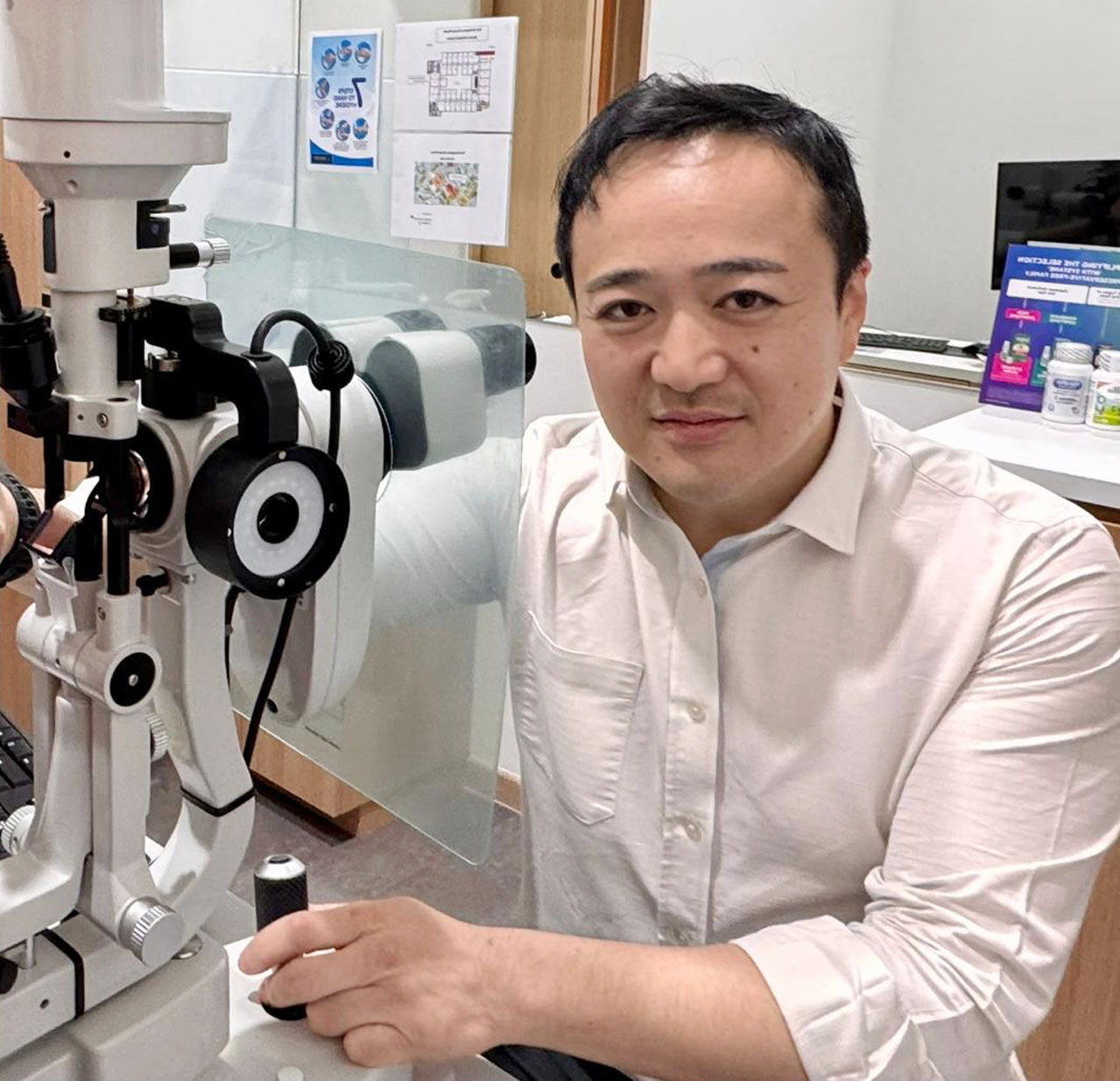
At London Eye & Retina Specialist Centre in Singapore, Dr James Ng provides careful assessment and management of retinal conditions using established medical approaches.
If you have concerns about your vision or symptoms suggestive of retinal detachment, consider scheduling a consultation to discuss appropriate evaluation and care options.