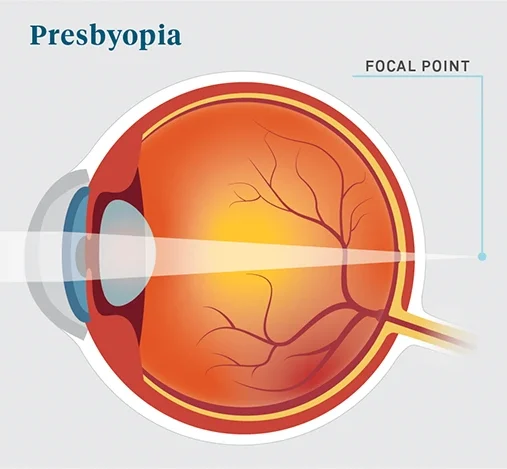
Presbyopia
A natural ageing process where the eye loses its ability to focus up close, often beginning in the early 40s. Reading glasses or multifocal options can help.

A natural ageing process where the eye loses its ability to focus up close, often beginning in the early 40s. Reading glasses or multifocal options can help.
Irregular corneal curvature leads to distorted or blurred vision at all distances. It can be corrected with glasses, contact lenses, or laser surgery in suitable candidates.
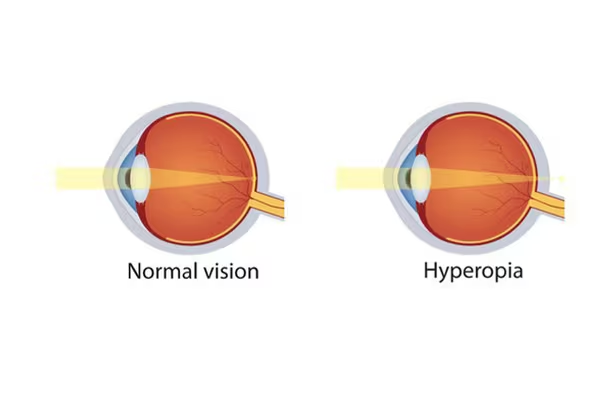
Difficulty with near vision and eye strain, especially in adults over 40, may be due to uncorrected hyperopia.
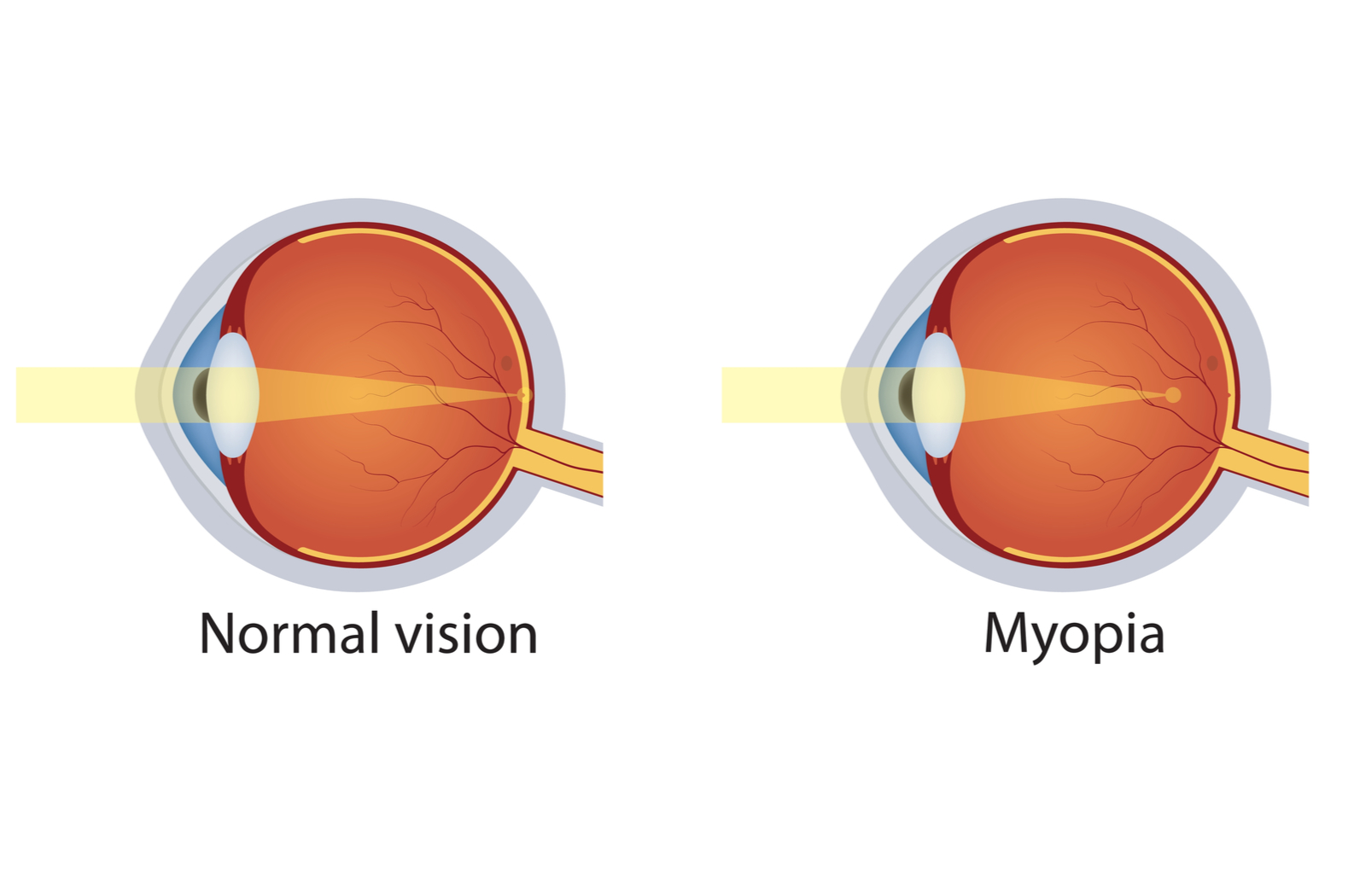
Distant objects appear blurry. Myopia can remain stable or progress into high myopia, which increases the risk of retinal issues.
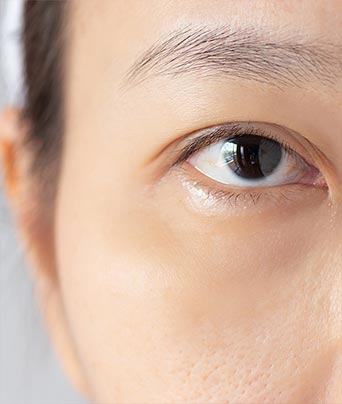
Swollen, red lumps at the eyelid margin may be caused by blocked oil glands or infection. Some resolve with warm compresses, while others require medical attention.
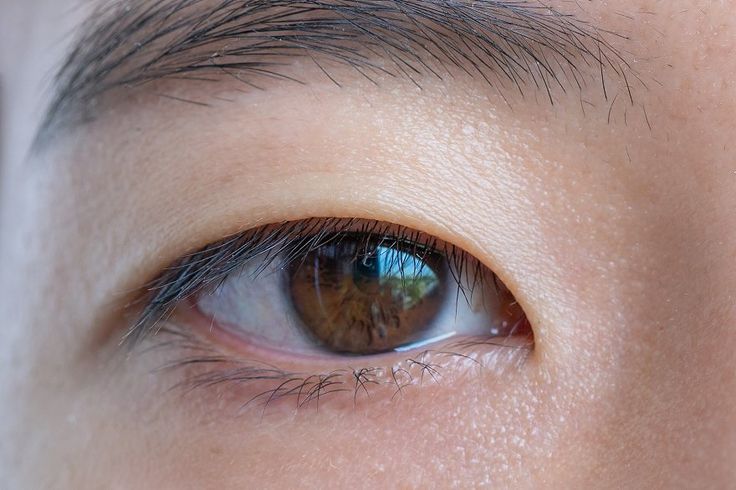
Often caused by age-related changes in the vitreous gel, but may signal a retinal tear or detachment. Prompt assessment is recommended for new or sudden symptoms.
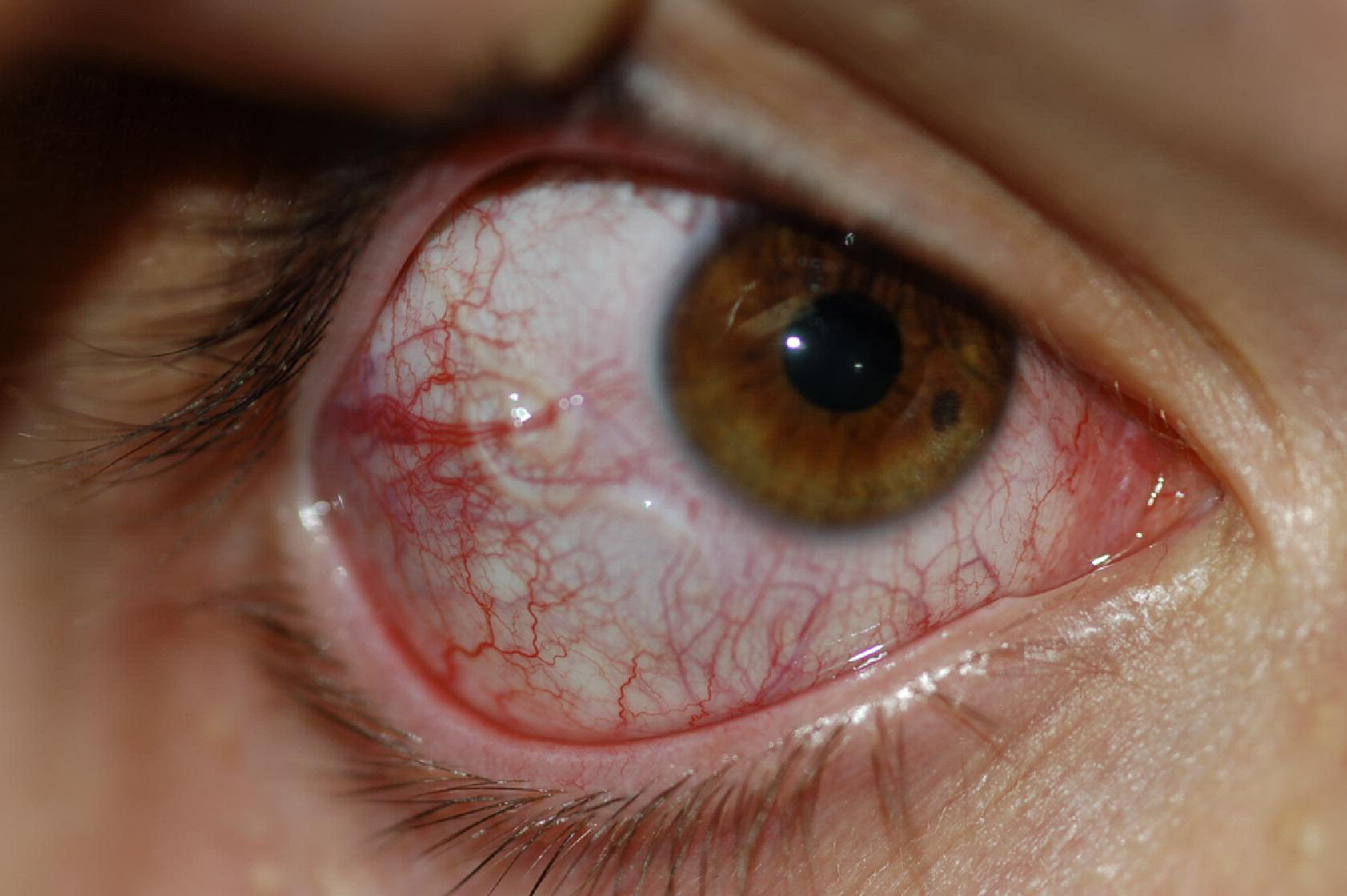
From workplace accidents to DIY mishaps, we manage corneal abrasions, foreign bodies, and blunt injuries, some of which may require urgent treatment.
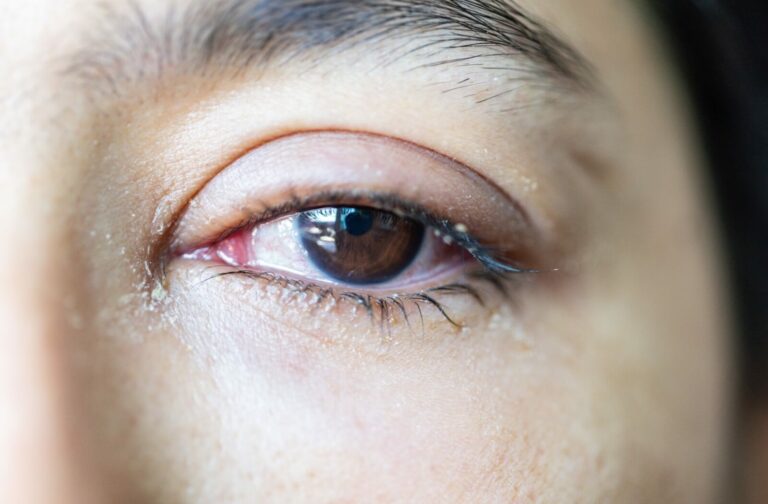
Common in adults who spend long hours in air-conditioned environments or on digital screens. Symptoms include stinging, gritty sensation, and blurred vision that improves with blinking.
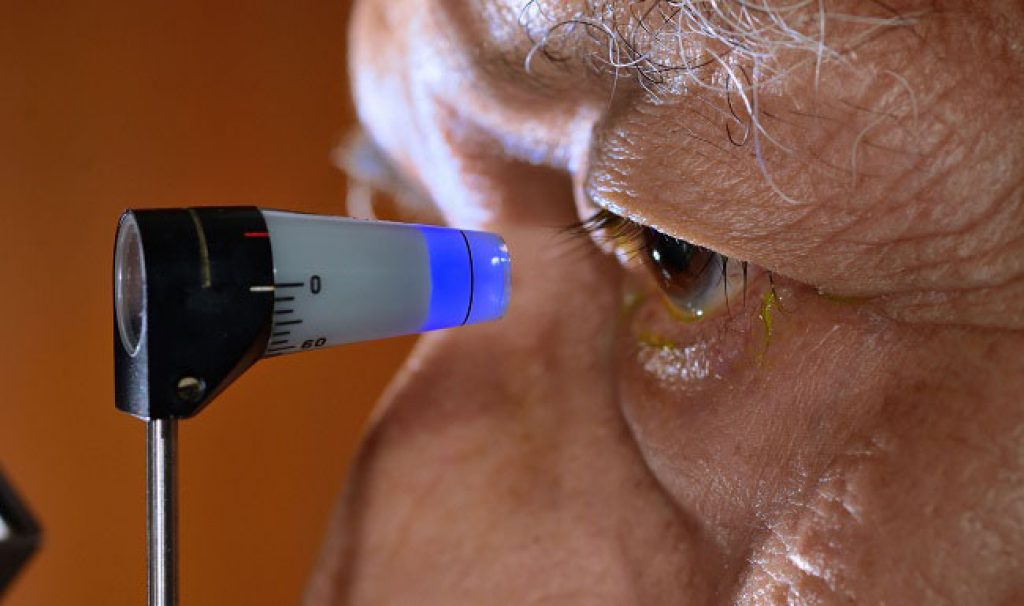
A progressive condition affecting the central part of the retina (macula), leading to difficulty reading, recognising faces, and seeing fine detail. Early diagnosis can help slow progression.
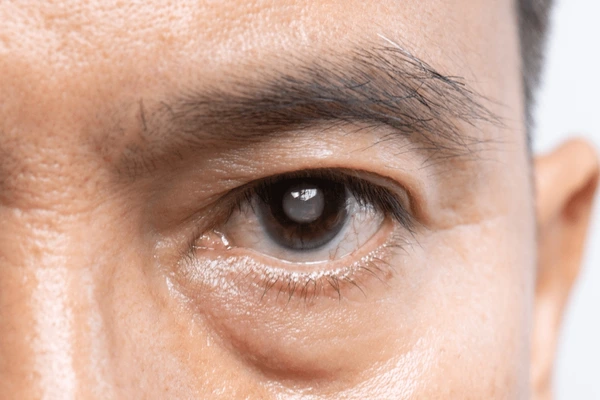
Clouding of the eye’s natural lens, often resulting in blurry vision, glare, or faded colours. Cataracts typically develop with age and may require surgical removal when they begin to affect daily activities.