
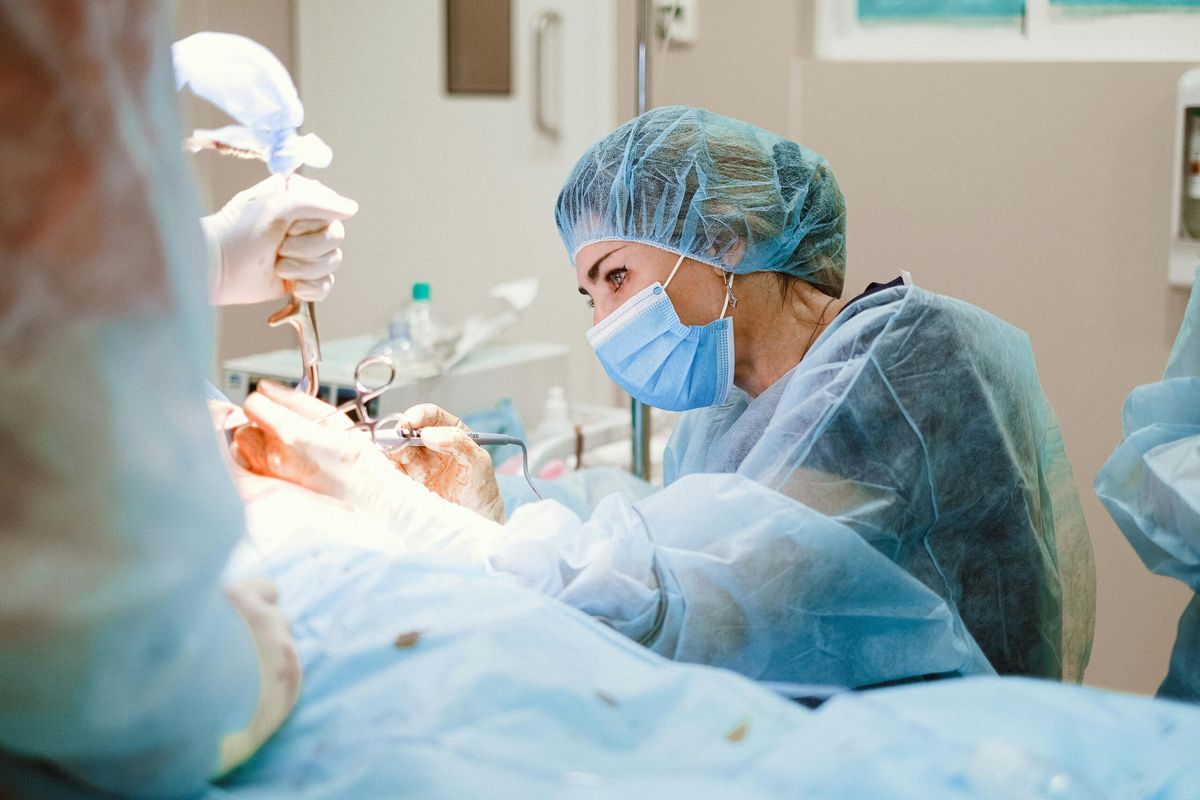
Cataract surgery is one of the most commonly performed eye procedures in the world, and it is a routine part of eye care here in Singapore. Yet many people are surprised to learn that not all cataract surgery is the same. There are different surgical techniques and a growing range of artificial lens options, and the right choice for clear vision depends on your eye health, your lifestyle, and your visual goals. This article explains how cataract surgery works, the options available, and how you and your ophthalmologist can decide together which approach suits you.
Key Takeaways
- Cataract surgery removes the cloudy natural lens and replaces it with a clear artificial lens.
- There are different surgical techniques and several intraocular lens options.
- The most suitable cataract surgery depends on your individual eye health and daily visual needs.
- A detailed consultation is the only reliable way to determine the most suitable option for you.
What Is a Cataract and How Does Surgery Improve Vision?
A cataract develops when the natural lens inside the eye, which is normally clear, gradually becomes cloudy. The lens sits behind the pupil and focuses light onto the retina, so as it clouds, vision becomes progressively hazy. Cataracts are most often related to ageing, though they can also be influenced by factors such as diabetes, prolonged sun exposure, certain medications, and previous eye injury.
Common symptoms of a cataract include:
- Blurred or hazy vision
- Difficulty seeing at night or in dim light
- Glare or halos around lights, which can make night driving harder
- Colours appearing faded or yellowed
- Frequent changes in your spectacle prescription
Cataract surgery addresses this by removing the cloudy natural lens and replacing it with a clear artificial lens, known as an intraocular lens or IOL. With the cloudiness gone, light can once again focus properly on the retina, restoring clearer vision. The procedure is typically performed under local anaesthesia, usually takes under 30 minutes per eye, and most patients return home the same day. Most people feel mild pressure rather than pain.
What Types of Cataract Surgery Are Available?
Broadly, there are two main surgical techniques used today, and both are well-established:
- Conventional phacoemulsification: This is the most commonly performed technique. A very small incision is made at the edge of the cornea, and an ultrasound probe is used to gently break up the cloudy lens into tiny fragments. These fragments are then removed, and a clear artificial lens is inserted in the same position the natural lens occupied. The small incision usually heals without stitches, and recovery is generally quick.
- Laser-assisted cataract surgery: This technique uses a femtosecond laser to perform certain steps that are done by hand in conventional surgery. The laser can create precise incisions, help shape the opening in the lens capsule, and soften the cataract before it is removed. It is designed to add precision to specific stages of the procedure.
Both conventional and laser-assisted methods are recognised, effective approaches, and one is not automatically superior for everyone. The most suitable technique depends on your particular eye condition and the findings of your clinical assessment. Your surgeon will explain which option is appropriate in your case and why.
How Do You Choose an Intraocular Lens?
Choosing the right lens is just as important as the surgical technique, and it is often what makes the biggest difference to how you see afterwards. The lens is a permanent part of the eye once implanted, so the decision deserves careful thought. Common IOL options include:
- Monofocal lenses: These provide clear vision at one fixed distance, most often for seeing far away. They typically give good quality of vision at that distance, but reading glasses are usually still needed for close work.
- Multifocal or extended depth of focus lenses: These are designed to provide vision across more than one distance, which may reduce dependence on glasses for both far and near tasks. They can involve some trade-offs, such as glare or halos at night for some patients, which your surgeon will discuss with you.
- Toric lenses: These are designed for patients with significant astigmatism, an irregularity in the curvature of the cornea. By correcting the astigmatism at the same time, they can sharpen vision that would otherwise remain blurred. Toric options are available in both monofocal and multifocal designs.
Each lens type has its own benefits and considerations, and there is no single lens that suits every eye. A thorough eye examination, including precise measurements of the eye, helps determine which option is realistic and suitable for you.
How Do You Decide Which Cataract Surgery Is Right for You?
The right cataract surgery is not a one-size-fits-all solution. During your consultation, your ophthalmologist will assess several factors, including:
- The severity and type of your cataract
- The presence of other eye conditions such as glaucoma, macular problems, or a history of retinal disease
- The shape and health of your cornea
- Your daily activities, such as driving, reading, screen work, or hobbies
- Your expectations about reducing your reliance on glasses
An honest conversation about your priorities is valuable here. Someone who spends long hours reading or on the computer may weigh their options differently from someone whose main concern is comfortable night driving. Any information you receive about likely outcomes should be realistic and based on your own clinical findings, because results naturally vary between individuals.
How Do You Prepare for Cataract Surgery?
Good preparation helps the day go smoothly and supports an accurate result. Before surgery, your ophthalmologist will usually carry out detailed measurements of the eye, sometimes called biometry, to calculate the power of the intraocular lens you will need. Any eye surface problems, such as blepharitis or an existing infection, are typically treated in advance to reduce the risk of complications. You may be asked to:
- Use antibiotic or other eye drops for a short period before the procedure, if advised.
- Stop or adjust certain medications, including some that increase the risk of bleeding, but only on your doctor’s instruction.
- Follow any fasting instructions given for the day of surgery.
- Arrange for someone to accompany you home afterwards, as your vision will be blurry for a while.
These simple steps allow your surgical team to plan carefully and tailor the procedure to your eye.
What Are the Risks of Cataract Surgery?
Cataract surgery is one of the most commonly performed eye operations, and serious problems are uncommon. Even so, no surgery is completely without risk, and understanding the possibilities is part of making an informed choice. Potential risks include:
- Infection or bleeding inside the eye, which are rare but need prompt treatment if they occur.
- Swelling or inflammation at the front of the eye or of the retina, which usually responds to eye drops.
- Retinal detachment, an uncommon but serious complication in which the retina lifts away from the back of the eye and requires urgent attention.
- Raised eye pressure or glaucoma, which may need monitoring or treatment.
- Dislocation of the intraocular lens from its intended position, which occasionally requires further adjustment.
- Drooping of the eyelid, which is usually temporary.
- Persistent blurring or, very rarely, loss of vision.
The risk of complications can be higher if you have other eye conditions or certain medical problems, which is one more reason a careful pre-operative assessment matters. Your surgeon will discuss the risks most relevant to your eyes.
What Is a Secondary Cataract?
A common question after surgery is whether a cataract can come back. The natural lens that is removed cannot regrow, so a true cataract does not return. However, some people find that vision becomes hazy again months or years later because of a condition called posterior capsule opacification, sometimes described as a secondary cataract. This happens when the thin membrane that holds the artificial lens becomes cloudy. The good news is that it is straightforward to treat with a quick laser procedure called a YAG laser capsulotomy, which creates a small clear opening in the membrane and restores clarity, usually without the need for further surgery.
What Can You Expect During Recovery?
Most people find recovery from cataract surgery straightforward. You will usually be given eye drops to use for a few weeks to control inflammation and prevent infection, and a protective shield may be worn at night for a short period. It is common to be advised to avoid rubbing the eye, heavy lifting, and swimming for a little while, and to keep water and soap out of the eye during the early days. Many people notice clearer vision within a few days, while the eye continues to settle over several weeks. Your surgeon will arrange follow-up visits to check that the eye is healing well.
When to See an Eye Specialist
Consider a cataract assessment when blurred or hazy vision, glare from headlights, faded colours or frequent prescription changes start to affect reading, driving or work. Surgery is usually considered once a cataract interferes with daily life, rather than waiting for it to become very dense. If you also have glaucoma or a retinal condition, Dr James Ng may discuss a combined plan.
Read more: cataract, cataract surgery, combined cataract & glaucoma surgery and combined cataract & retinal surgery.
When Should You Seek Advice After Surgery?
While serious problems are rare, it is worth knowing the signs that call for prompt attention. Contact your eye clinic if, after surgery, you experience increasing eye pain that is not relieved by simple measures, a noticeable decline in your vision, increasing redness, or the sudden appearance of new floaters, flashes of light, or a shadow or curtain across your vision. Prompt review of these symptoms helps protect your recovery. A shadow or curtain, a sudden drop in vision or severe pain needs urgent review: call +65 6908 7533 (24-hour emergency eye care is available).
Frequently Asked Questions
Is cataract surgery painful?
Cataract surgery is usually performed under local anaesthesia, so the eye is numbed. Most patients feel mild pressure rather than pain during the procedure, and only mild irritation afterwards.
How long does recovery take?
Many patients notice clearer vision within a few days, although full recovery and stabilising of vision can take several weeks, depending on individual healing.
Can both eyes be operated on at the same time?
In most cases, surgery is performed on one eye at a time. The second eye is usually treated once the first eye has settled, which also allows your surgeon to fine-tune the plan for the second eye.
Will I still need glasses after cataract surgery?
This depends on the type of intraocular lens chosen and your individual visual needs. Some lens choices reduce the need for glasses, but many patients still find glasses helpful for certain tasks such as detailed close work.
Can a cataract come back after surgery?
A cataract itself cannot return, because the natural lens has been removed. Some people develop clouding of the membrane behind the artificial lens, known as a secondary cataract, which is easily treated with a brief laser procedure.
More questions patients ask
How much does cataract surgery cost in Singapore? Cataract surgery fees at London Eye & Retina Specialist Centre depend on your lens choice and whether surgery is combined with another procedure, so they are quoted after assessment. Surgical fees cover the surgeon’s fee, facility fee, the first week of post-operative reviews and the first set of medications. Cataract basic screening costs $57.77 and comprehensive cataract screening $199.47, inclusive of 9% GST.
Is cataract surgery covered by MediSave? Yes, cataract surgery is generally MediSave-claimable up to CPF limits. Most Integrated Shield Plans also cover cataract day surgery, and the clinic team can help with Letters of Guarantee and pre-authorisation. Because fees depend on the lens chosen and any combined procedure, the clinic provides a quote after your assessment so you can check coverage before you proceed.
Can eye drops dissolve a cataract instead of surgery? No eye drops, supplements or exercises have been shown to reverse or dissolve a cataract. In the early stages, an updated glasses prescription, brighter lighting and anti-glare measures can help you see comfortably. Once a cataract starts to affect daily activities such as reading, driving or recognising faces, cataract surgery is the only effective treatment, and the timing can usually be planned.
Who performs cataract surgery at London Eye & Retina? Cataract surgery at London Eye & Retina in Novena is performed personally by Dr James Ng, Consultant Ophthalmic Surgeon. He is triple fellowship-trained, including in complex cataract surgery, holds a Senior Fellowship in Vitreoretinal Surgery at Moorfields Eye Hospital, and has performed at least 5,000 cataract surgeries over 20+ years of eye surgery.
Considering Cataract Surgery in Singapore?
If you are considering cataract surgery for clearer vision, a personalised consultation is the essential first step. At London Eye & Retina Specialist Centre in Novena, Singapore, Dr James Ng carries out comprehensive eye assessments to help determine the most suitable technique and lens for your eye health, lifestyle, and visual goals.
Clearer vision starts with informed decisions. Consider booking a consultation with London Eye & Retina Specialist Centre to discuss the right approach for your eyes and to have your questions answered in full.