Laser Eye Surgery & Vision Correction in Singapore
For many adults, the idea of waking up with clear vision, without reaching for glasses or contact lenses, can be life-changing.

Clearer Vision, Less Dependence on Glasses or Contact Lenses
For many adults, the idea of waking up with clear vision, without reaching for glasses or contact lenses, can be life-changing. At London Eye & Retina, we offer a full spectrum of vision correction options designed to suit different eyes, lifestyles, and visual needs. If you’re comparing LASIK prices in Singapore, the cost table below shows every procedure’s price per eye and for both eyes.
Whether you’re short-sighted, far-sighted, have astigmatism, or are experiencing age-related near vision difficulties, we provide personalised assessments to determine which treatment is right for you.
Is Vision Correction Right for You?
Refractive surgery is suitable for many adults with stable prescriptions and healthy eyes. Before recommending any procedure, we perform:
- Detailed eye scans (corneal mapping, pupil size, thickness)
- Refraction testing
- Eye surface evaluation
- Lifestyle discussion to match you with the most suitable option
Our goal is to help you reduce dependence on visual aids safely and effectively.
1. LASIK
Laser-Assisted In Situ Keratomileusis (LASIK) is one of the most established and widely performed laser procedures. It involves:
- Creating a thin flap in the cornea
- Reshaping the underlying tissue with a laser
- Repositioning the flap to heal naturally
Suitable for:
- Mild to moderate myopia, hyperopia, and astigmatism
- Patients with stable prescriptions and adequate corneal thickness
Advantages:
- Quick recovery
- Minimal discomfort
- Sharp vision often achieved within 24–48 hours
2. SMILE Pro 2.0
Small Incision Lenticule Extraction (SMILE Pro 2.0) is a flap-free, small-incision laser procedure, performed on the ZEISS VISUMAX 800. A small lenticule (disc-shaped piece of tissue) is removed through a tiny incision to reshape the cornea.
- Myopia and astigmatism
- Patients seeking a minimally invasive procedure
- No flap created
- Faster return to activities
3. TransPRK
Transepithelial Photorefractive Keratectomy (TransPRK) is a no-touch surface procedure. The laser removes the top layer of cells (epithelium) and reshapes the cornea in one step.
- Patients with thinner corneas
- Active individuals (e.g. military, sports)
- Those with mild to moderate refractive errors
- Flapless and gentle on the eye structure
- Less risk of trauma in future activities
Note: Recovery is slower than LASIK or SMILE Pro 2.0: the surface takes about a week to heal, and an MC is usually provided.
4. Implantable Contact Lens (ICL)
For patients unsuitable for laser procedures, due to high myopia, dry eyes, or thin corneas, ICL offers a non-laser, lens-based solution.
What is it?
A soft, biocompatible lens is placed inside the eye (behind the iris and in front of your natural lens), providing clear vision without removing corneal tissue.
- Moderate to high myopia
- Patients with dry eyes or thin corneas
- Those who prefer an option that removes no corneal tissue
- Sharp vision without reshaping the cornea
- Preserves natural lens
- Removable if needed
5. Presbyopia Treatment
Presbyopia is the natural loss of near focusing ability that occurs after age 40. We offer several options to manage this change, including:
- Monovision LASIK/TransPRK – One eye is corrected for distance, the other for near
- Multifocal or extended-depth-of-focus IOLs – For those undergoing cataract or lens replacement surgery
- Refractive lens exchange – Removal of the natural lens and replacement with a customised IOL, even before cataracts develop
- Adults over 40 with presbyopia
- Those who want to reduce dependence on reading glasses
Not Sure Which Option Is Right?
Every eye is unique, and not all treatments suit every patient. That’s why our approach starts with a comprehensive eye evaluation and an honest discussion about your goals and expectations.
Corneal Cross-Linking (CXL)
An additional procedure that may be recommended to support corneal stability during vision correction.
Read more
Corneal Transplant
A corneal transplant (keratoplasty) replaces damaged or diseased corneal tissue with a healthy donor cornea to restore c
Read more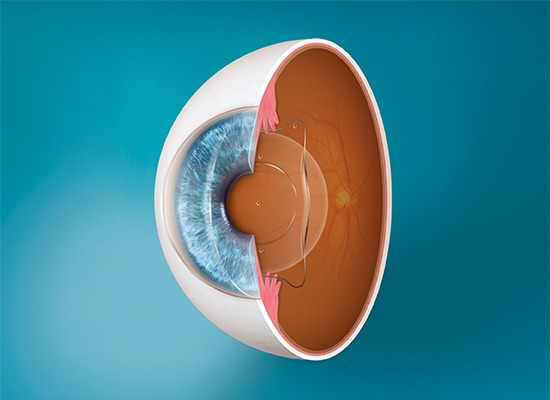
Implantable Contact Lens (ICL)
An implantable contact lens (ICL) is a soft, permanent lens placed inside the eye to correct high short-sightedness and
Read more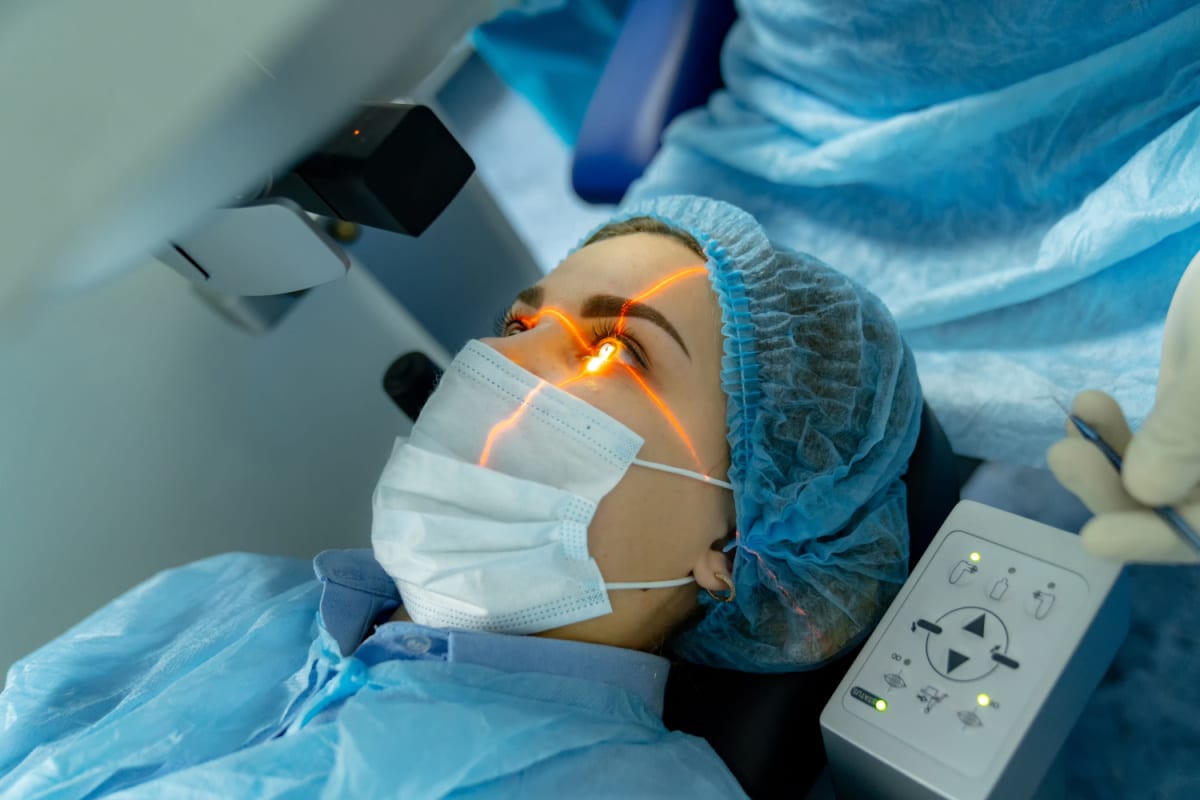
LASIK
LASIK is a quick, blade-free laser procedure that reshapes the cornea to correct short-sightedness, long-sightedness and
Read more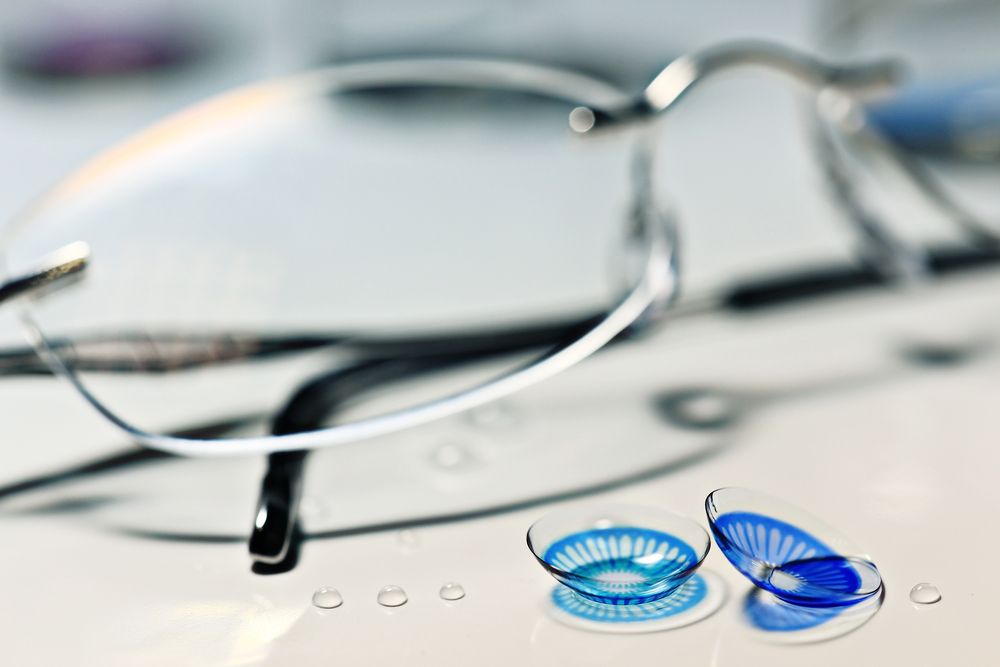
Presbyopia Treatment
Presbyopia is the age-related loss of near focus that makes reading and close work harder, and there are several ways to
Read more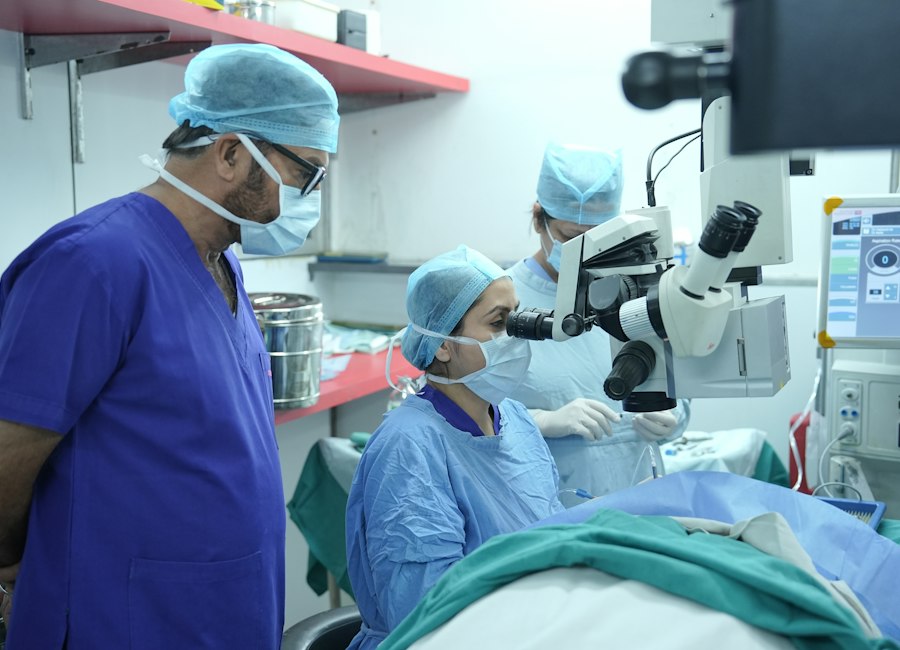
Pterygium Surgery
Pterygium surgery removes a fleshy, wing-shaped growth from the surface of the eye and replaces it with healthy tissue t
Read more
SMILE Pro 2.0
SMILE Pro 2.0 is a minimally invasive, flapless "keyhole" laser procedure that corrects short-sightedness and astigmatis
Read more
TransPRK
TransPRK is a flapless, touch-free laser procedure that reshapes the surface of the cornea to correct short-sightedness,
Read moreLaser Eye Surgery Cost in Singapore
| Procedure | One eye | Both eyes |
|---|---|---|
| FemtoLASIK | $2,888 | $4,288 |
| TransPRK | $2,888 | $4,288 |
| SMILE Pro 2.0 | $3,288 | $5,288 |
| Presbyopia (monovision) | $2,888 | — |
| ICL (by prescription tier) | from $3,694 | $7,388 / $8,388 / $9,388 |
| Laser suitability evaluation | $54.50 | |
| ICL evaluation | $174.40 |
Fees include 9% GST and cover the surgeon’s fee, facility fee, the first week of post-operative reviews and your first set of medications. Laser vision correction is elective and generally not MediSave-claimable. See all fees & packages.
LASIK vs SMILE Pro 2.0 vs TransPRK vs ICL
| LASIK | TransPRK | SMILE Pro 2.0 | ICL | |
|---|---|---|---|---|
| Corneal flap? | Yes | No, non-contact surface treatment | No flap; 2–3 mm incision | No |
| Typical recovery | Usually very rapid | About 1 week; vision may be ~50% clear that week | Usually good within 1–2 days | Usually 1–4 days |
| Corneal tissue removed? | Yes | Yes (surface) | Yes (lenticule) | No |
These are principles, not rules. The recommendation isn’t decided by which technology is newest; it’s matched to your corneal anatomy, prescription, lifestyle and long-term eye health.
Your Suitability Evaluation
The $54.50 evaluation includes corneal topography and EyeStar tomography, pachymetry, manifest refraction and a dilated spectacle-degree check (cyclorefraction), a dry-eye assessment, eye pressure and a dilated retinal examination. Dr James Ng is also a fellowship-trained vitreoretinal surgeon, so your retina is checked as carefully as your cornea. Assessment and surgery are on separate days.
Suitability Evaluations: What’s Included
LASIK / SMILE Pro 2.0 / TransPRK Suitability Evaluation
$54.50 incl. 9% GST
Tests included
- Visual acuity
- Auto-refraction
- Auto-keratometry
- Eye pressure check
- Colour vision testing
- Amsler grid testing
- Central corneal thickness
- Corneal topography
- Baseline Eye Dryness Test
- Manifest refraction
- Assessment of Ocular Dominance
- Cycloplegic refraction
- Doctor’s consultation
Includes pupil dilation, so please bring sunglasses. Contact lens users: avoid soft lenses for 3–5 days or hard lenses for 2 weeks before the appointment.
ICL Evaluation
$174.40 incl. 9% GST
Tests included
- Visual acuity
- Auto-refraction
- Auto-keratometry
- Eye pressure check
- Colour vision testing
- Amsler grid testing
- Central corneal thickness
- Corneal topography
- Baseline Eye Dryness Test
- Assessment of Ocular Dominance
- Manifest refraction
- Cycloplegic refraction
- Optical Coherence Tomography of the Macula
- Optical Coherence Tomography of the Disc
- Optical Coherence Tomography of the Anterior Segment
- Doctor’s consultation
Fees are a guide and may vary with clinical needs. See all fees & packages.
More questions patients ask
Is laser eye surgery painful? Laser eye surgery is not usually painful. Numbing eye drops are used, and most people feel only slight pressure rather than pain during LASIK or SMILE Pro 2.0. Mild grittiness or watering for a day or two after LASIK is normal, and temporary dryness is common as the corneal nerves heal. TransPRK has a slower recovery, because the eye surface takes about a week to heal.
How long does laser eye surgery take? FemtoLASIK is a day procedure with about 10 minutes of laser treatment per eye. In SMILE Pro 2.0 on the ZEISS VISUMAX 800, the laser is in contact with the eye for less than 10 seconds per eye. Your suitability evaluation and the surgery are on separate days, so your pupils return to normal after dilation and you have time to decide.
Is laser eye surgery permanent? LASIK results are long-lasting, but the eyes continue to change naturally with age. Most people enjoy years of clear vision, yet some need reading glasses later in life because of presbyopia, the age-related loss of near focus that typically starts in the 40s. Laser vision correction also does not change the length of a short-sighted eye, so people with high myopia still benefit from periodic dilated retinal examinations.
Who is not suitable for laser eye surgery? Laser eye surgery may not be suitable if you are pregnant or breastfeeding, have an unstable prescription, have keratoconus or suspicious corneal tomography, have severe dry eye or eye-surface disease, or do not have enough corneal tissue for the intended correction. Very high prescriptions may be better suited to ICL, and retinal, lens or glaucoma conditions may need separate care first. A suitability evaluation shows which option suits your eyes.
How much does a laser eye surgery enhancement cost? A SMILE Pro 2.0 enhancement within 12 to 24 months costs $800 for one eye or $1,500 for both eyes, and a TransPRK enhancement costs $700 for one eye or $1,300 for both eyes, including 9% GST. An enhancement is only carried out if needed, after review by Dr James Ng. Fees are a guide and may vary, so please confirm with the clinic.
Who performs laser eye surgery at London Eye & Retina? Laser vision correction at London Eye & Retina Specialist Centre in Novena is assessed and performed by Dr James Ng, a Consultant Ophthalmic Surgeon with 20+ years of eye surgery. He is triple fellowship-trained, including a Senior Fellowship in Vitreoretinal Surgery at Moorfields Eye Hospital, and performs TransPRK, LASIK, SMILE Pro and ICL procedures. Every suitability evaluation includes a dilated retinal examination.
When can I drive, swim and exercise after LASIK, SMILE Pro 2.0 or TransPRK? Driving is usually possible after 1–2 weeks, or once you are comfortable with your vision. Swimming is usually allowed after 3–6 weeks, and exercise can resume about 1 week after surgery. Dr James Ng will confirm what suits you at your post-operation reviews.
Are both eyes treated on the same day for LASIK, SMILE Pro 2.0 or TransPRK? Yes. Both eyes are usually treated on the same day.
Can I wear make-up or use screens after LASIK, SMILE Pro 2.0 or TransPRK? Do not apply any make-up or skincare products for the first week after surgery. Foggy vision is expected and may last 1–3 days. Increased light sensitivity, halos and teariness (similar to cutting onions) are common, so screen time can resume once you feel comfortable.
Should I stop wearing contact lenses before a laser vision correction suitability evaluation? Yes. Stop wearing soft contact lenses 3–5 days beforehand and hard contact lenses 2 weeks beforehand, because lenses can temporarily change the shape of the cornea.